
Nike Structure 26 vs Brooks Glycerin GTS 23:
Which to Choose

Verdict
It comes down to firm versus soft. Pick the Structure 26 if you want a planted, controlled, slightly lighter ride that tracks straight and stretches up to marathon distance; pick the Glycerin GTS 23 if you want maximum plush cushioning and joint protection for easy and long runs and are happy to keep the pace relaxed. Both guide gently without a rigid post, so let your foam preference — and whether you need true marathon range — decide.
Pace
3 of 6
Cushioning
4 of 6
Responsiveness
4 of 6
Stability
5 of 6
Drop
10 mm
Support
Stability
Plate
None
Distances
10KHalfMarathon
Pace
3 of 6
Cushioning
5 of 6
Responsiveness
4 of 6
Stability
5 of 6
Drop
10 mm
Support
Stability
Plate
None
Distances
10KHalf
At a Glance
Nike Structure 26Brooks Glycerin GTS 23
Who Should Choose Each Shoe
Choose
Nike Structure 26
Choose the Structure 26 if you want a stability trainer that feels planted, controlled, and connected to the ground rather than cushy — a heel striker or mild overpronator who likes to feel their foot tracking straight and wants the same shoe to cover 10Ks, halves, and the occasional marathon. It's the better pick if you find max-soft foams vague or unstable underfoot, and the slightly lower stack and lighter weight suit runners who value a firm, predictable transition over pillowy impact absorption.
Choose
Brooks Glycerin GTS 23
Choose the Glycerin GTS 23 if plush comfort and joint protection are the priority — the recovery-day and long-run runner who wants a soft, pillowy landing with gentle guidance and doesn't mind a little extra weight to get it. It's the stronger option for mild overpronators whose legs want maximum cushioning on easy miles, and for anyone upgrading from a firmer stability shoe who found it too harsh on longer, slower efforts.
Head-to-Head
On paper these two sit almost on top of each other: both run a 10mm-feeling drop, both skip a plate, both rate high on stability with guidance built into the sidewalls (Nike's dual guide rails, Brooks' GuideRails), and both are tuned for the same 5:00–6:00 min/km daily-training zone. The decisive difference is the midsole. The Glycerin GTS 23 uses nitrogen-infused DNA Tuned foam on a taller 38mm heel / 28mm forefoot stack and leans near-max plush — pillowy at landing with a slightly firmer toe-off from its smaller front cells, so transitions feel cushioned rather than snappy. The Structure 26 runs ReactX foam on a lower 36mm / 26mm stack that feels deliberately firm and controlled; it isn't trying to be soft, it's trying to keep your foot tracking straight, and it delivers a more secure, connected ride at the cost of outright plushness (hence its 4/6 cushioning to the Brooks' 5/6). Weight tilts slightly toward Nike — roughly 298g versus about 306g in a men's US 9 — and while 8g is small, it matches the character gap: the firmer, lower Structure feels a touch more willing to pick up the pace, while the Glycerin trades liveliness for comfort and carries its plushness honestly. Use case separates them too: Brooks officially caps its sweet spot at easy and long runs with 10K and half distances at relaxed effort, whereas the Structure extends its range to the marathon and is genuinely happiest at the half. Uppers differ in feel more than function — Nike's engineered mesh is straightforward and secure, Brooks' jacquard knit is softer and more enveloping.
Similar Comparisons
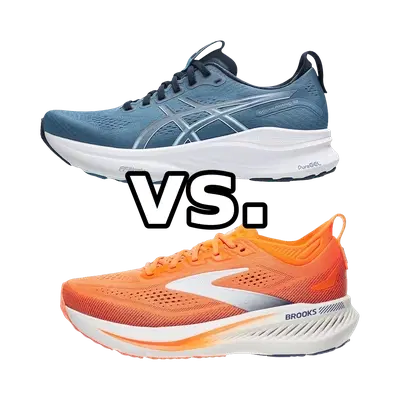
Asics Gel-Kayano 32 vs Brooks Glycerin GTS 23

Adidas Adizero Evo SL vs Nike Structure 26
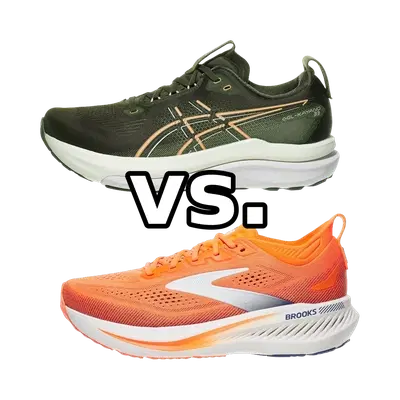
Asics Gel-Kayano 33 vs Brooks Glycerin GTS 23

Nike Structure 26 vs Nike Structure Plus

Brooks Glycerin 22 vs Brooks Glycerin GTS 23

Puma ForeverRun Nitro 2 vs Nike Structure 26
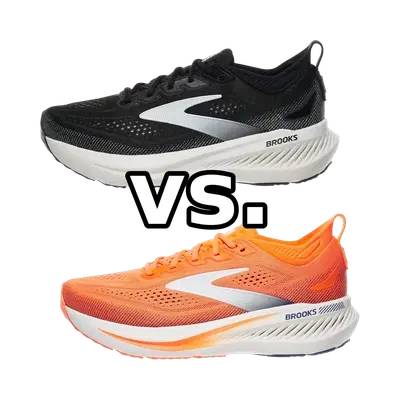
Brooks Glycerin 23 vs Brooks Glycerin GTS 23
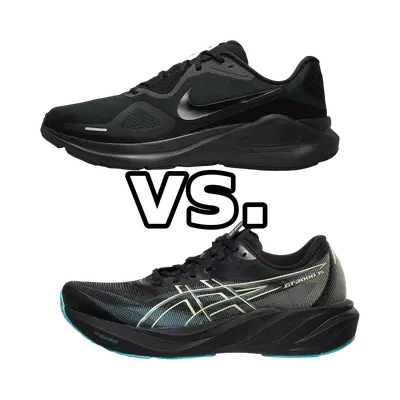
Nike Structure 26 vs Asics GT-2000 15
© 2026 longrunshoes.ai | All rights reserved.
Use of materials from this site is permitted only with proper attribution and a link to longrunshoes.ai.