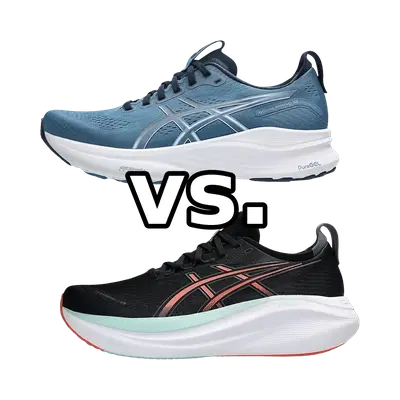
Asics Gel-Kayano 32 vs Brooks Glycerin GTS 23:
Which to Choose
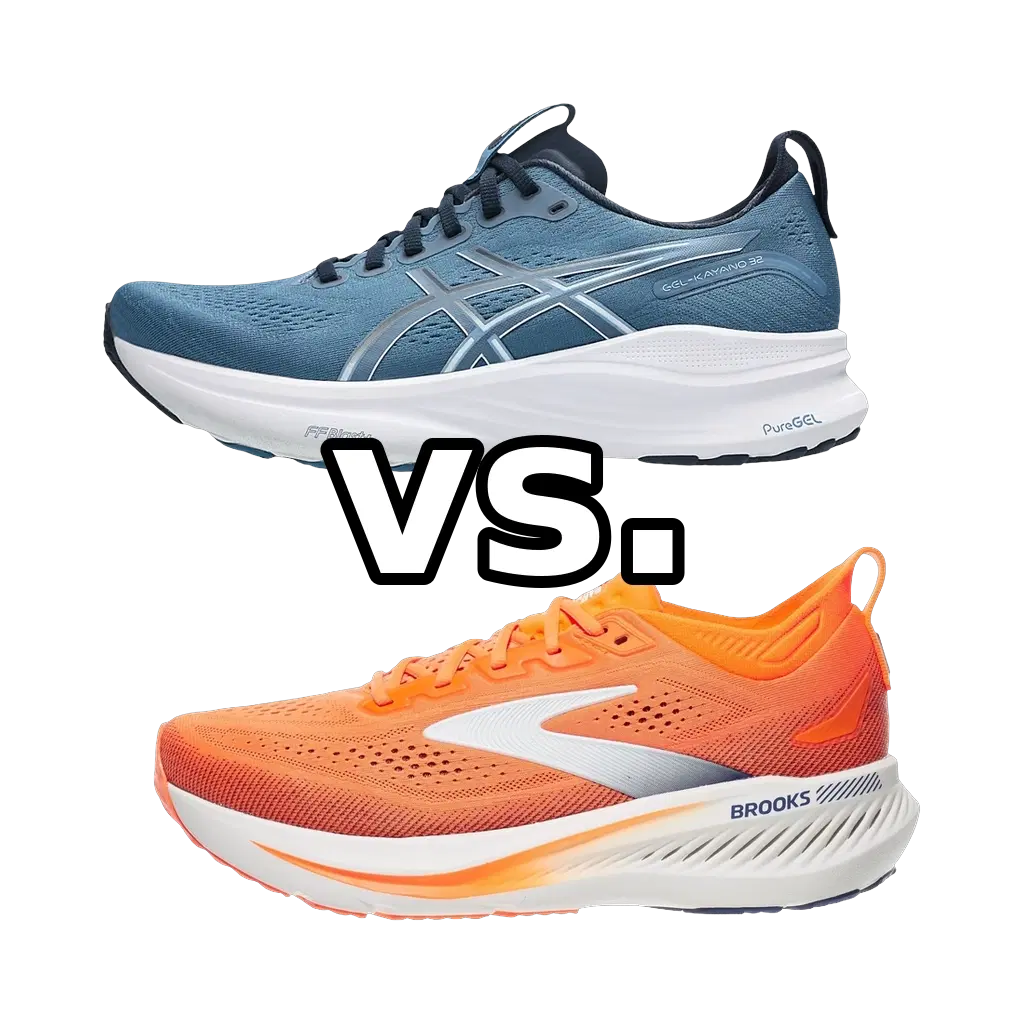
Verdict
These are close cousins, so let your pronation and your distances decide. Go Kayano 32 if you need firm, maximum guidance and want a single shoe that can handle everything from easy runs up to the marathon; go Glycerin GTS 23 if your overpronation is mild, you'd rather have gentle-when-needed support with a slightly higher drop and a firmer toe-off, and your longest efforts stay around the half. Neither is a fast shoe — pick for support level and range, not for speed.
Pace
3 of 6
Cushioning
5 of 6
Responsiveness
4 of 6
Stability
6 of 6
Drop
8 mm
Support
Stability
Plate
None
Distances
10KHalfMarathon
Pace
3 of 6
Cushioning
5 of 6
Responsiveness
4 of 6
Stability
5 of 6
Drop
10 mm
Support
Stability
Plate
None
Distances
10KHalf
At a Glance
Asics Gel-Kayano 32Brooks Glycerin GTS 23
Who Should Choose Each Shoe
Choose
Asics Gel-Kayano 32
Pick the Gel-Kayano 32 if you're a genuine overpronator who wants maximum, always-on support and the tallest, most protective platform of the two — especially if you're a heel striker who values a guided, straight-tracking transition. It's also the smarter buy if your training reaches into marathon territory, since it's designed to stay comfortable and stable over long efforts where a lesser-supported shoe might start to feel vague. Beginners building their first consistent base who want a shoe that actively keeps them tracking straight will appreciate the extra structure.
Choose
Brooks Glycerin GTS 23
Choose the Glycerin GTS 23 if you're a mild overpronator who wants a soft, cushioned ride with support that stays out of the way until you need it — the GuideRails guide without feeling corrective or clunky. Its higher-feeling 10mm drop makes it a good match if you have sensitive calves or Achilles and want to take some load off them, and the slightly firmer toe-off gives a touch more pop for steady daily and recovery miles. It's the better fit for the runner whose mileage centers on easy days and tops out around the half rather than the marathon.
Head-to-Head
These two overlap heavily — both score 5/6 for cushioning and 4/6 for responsiveness, both are stability shoes with no plate, and both are happiest at a relaxed, conversational cruise rather than a quick tempo. The clearest split is in how they deliver support. The Kayano earns a full 6/6 for stability: its 4D Guidance System works with a wide base and sidewalls to actively rein in pronation as the foot rolls, making it the more overtly corrective, maximum-support option. The Glycerin GTS 23 rates a step lower at 5/6, using Brooks' GuideRails, which sit dormant and only engage when your stride drifts — gentler, aimed at mild overpronators who want a nudge rather than a firm hand. Underfoot the foams also feel different: the Kayano's FF Blast Plus Eco is uniformly plush and pillowy for a soft, protective landing, while the Glycerin's nitrogen-infused DNA Tuned midsole uses a dual-cell design that lands soft but firms up slightly at toe-off for a marginally more supportive push-off. Geometry is close but not identical — the Kayano rides a touch taller at roughly 40mm heel / 31mm forefoot on an 8mm drop, versus the Glycerin's 38mm / 28mm stack and a higher-feeling 10mm offset that eases the calves and Achilles. Weight is effectively a wash: both are heavier, warmth-trading protective trainers around the 295–306g mark (men's US9), so neither is a speedster. The most practical difference is range: the Kayano is comfortable stretching to the full marathon, its stated sweet spot, whereas the Glycerin tops out around the half at an easy effort and is really built for the steady daily and recovery run.
Similar Comparisons
Asics Gel-Kayano 33 vs Brooks Glycerin GTS 23
Asics Gel-Kayano 32 vs Nike Vomero Plus
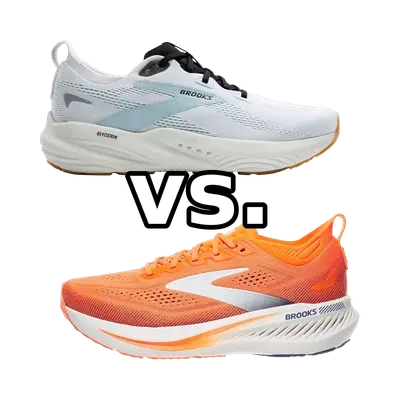
Brooks Glycerin 22 vs Brooks Glycerin GTS 23
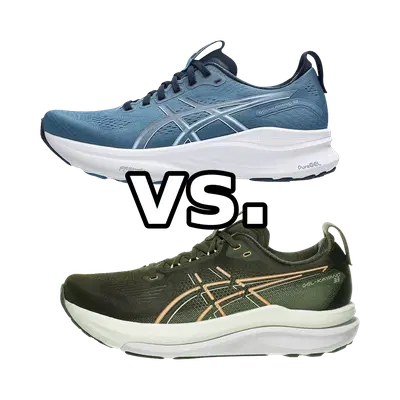
Asics Gel-Kayano 32 vs Asics Gel-Kayano 33
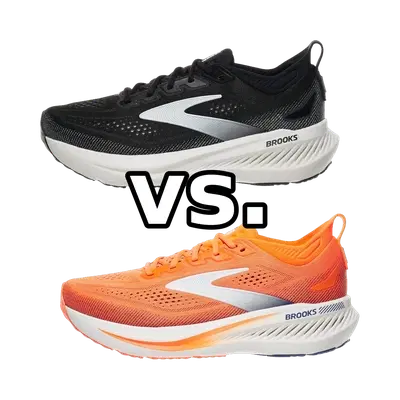
Brooks Glycerin 23 vs Brooks Glycerin GTS 23
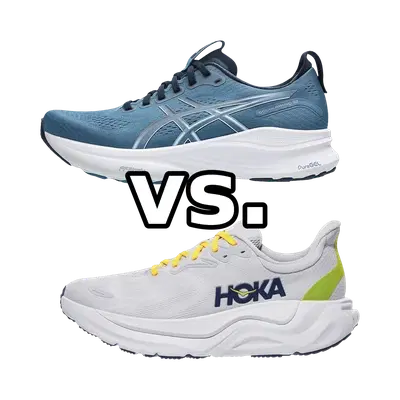
Asics Gel-Kayano 32 vs Hoka Arahi 8
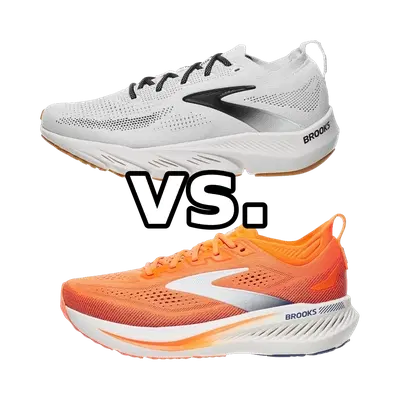
Brooks Glycerin Flex vs Brooks Glycerin GTS 23
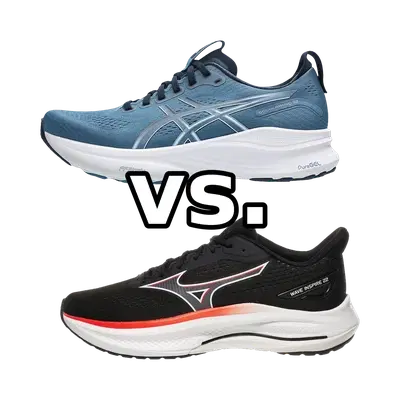
Asics Gel-Kayano 32 vs Mizuno Wave Inspire 22
© 2026 longrunshoes.ai | All rights reserved.
Use of materials from this site is permitted only with proper attribution and a link to longrunshoes.ai.