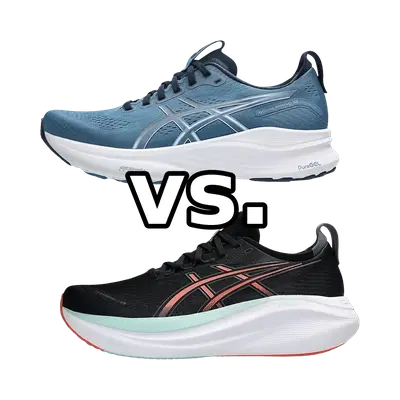
Asics Gel-Kayano 32 vs Mizuno Wave Inspire 22:
Which to Choose
Verdict
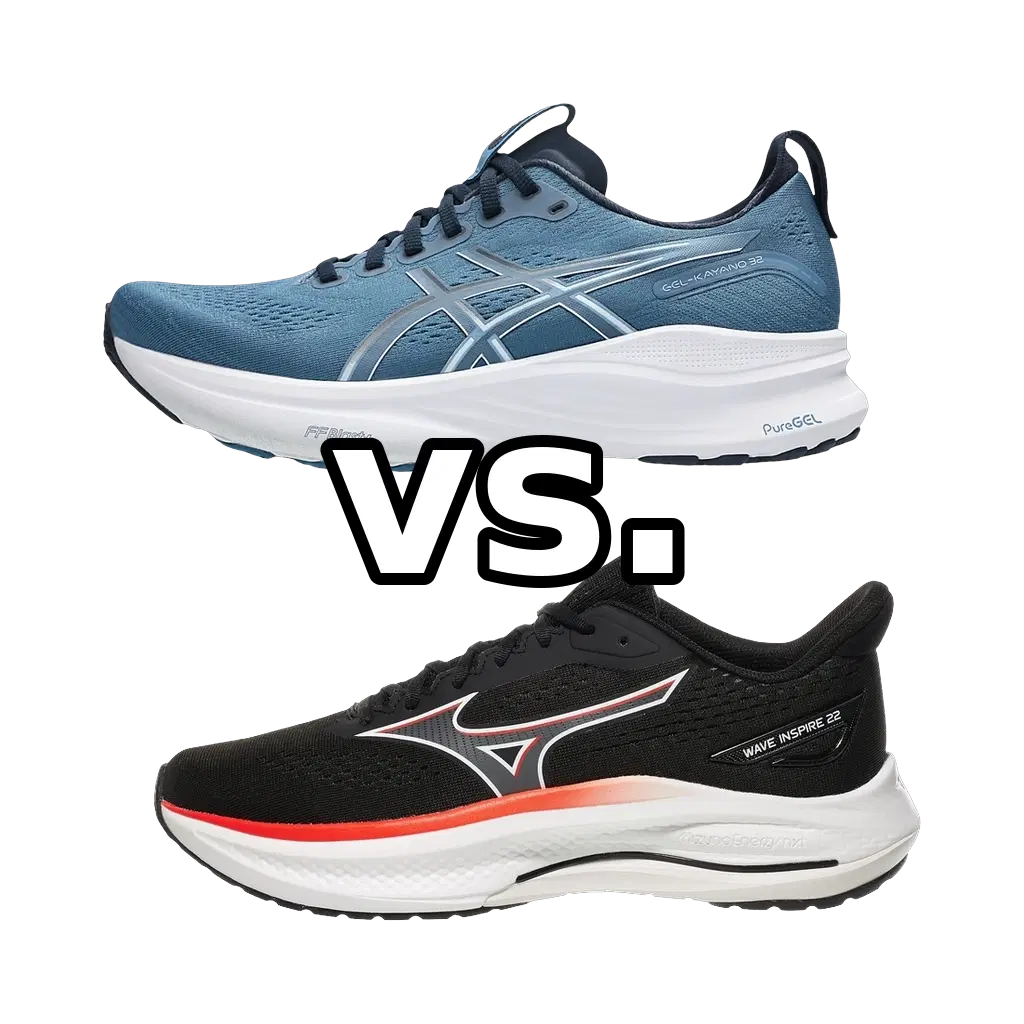
It genuinely comes down to ride texture, not capability — these are equally weighted, equally offset stability trainers aimed at the same distances and paces, so neither is objectively "more shoe." Go Kayano 32 for the softer, taller, more cushioned platform with the most support in the pair; go Wave Inspire 22 for a firmer, lower, plate-guided ride that feels planted and lasts. If you're unsure, let your foot decide: cushioned-and-guided versus firm-and-grounded.
Pace
3 of 6
Cushioning
5 of 6
Responsiveness
4 of 6
Stability
6 of 6
Drop
8 mm
Support
Stability
Plate
None
Distances
10KHalfMarathon
Pace
3 of 6
Cushioning
4 of 6
Responsiveness
3 of 6
Stability
5 of 6
Drop
8 mm
Support
Stability
Plate
Composite
Distances
10KHalfMarathon
At a Glance
Asics Gel-Kayano 32Mizuno Wave Inspire 22
Who Should Choose Each Shoe
Choose
Asics Gel-Kayano 32
Choose the Gel-Kayano 32 if you want the maximum-support, maximum-comfort end of the stability spectrum — a heavier heel striker, a beginner wanting a forgiving and confidence-inspiring platform, or a marathoner who prioritizes a plush, protective landing over the last few miles of a long effort. It's the better pick if you like a taller, softer, cushioned ride and want pronation control that comes from geometry rather than a plate. If your feet want to feel cradled and cushioned on easy and long days, this is the one.
Choose
Mizuno Wave Inspire 22
Choose the Wave Inspire 22 if you prefer a firm, grounded, planted ride and trust a plate to guide your stride more than a bank of soft foam. It suits overpronators who find maximum-cushion shoes too soft or unstable and want a lower-to-the-ground, composed feel for steady long runs and moderate training, plus anyone who logs high mileage and values the standout durability of its X10 outsole. Pick it if "controlled and predictable" appeals more than "plush and pillowy."
Head-to-Head
On paper these two are strikingly aligned — identical 8mm offset, and nearly identical weight (the Kayano 32 lands at about 298g and the Wave Inspire 22 at about 294g in a men's US 9), so neither is meaningfully heavier than the other. The separation is in cushioning philosophy and how stability is achieved. The Kayano sits on a taller, softer platform (roughly 40mm heel / 32mm forefoot) of FF Blast Plus Eco foam, which feels plush and pillowy, soaks up heavy heel strikes, and leans protective and controlled. Its stability comes purely from geometry — a wide base plus the 4D Guidance System — with no plate, and it earns the maximum stability rating in this pair. The Inspire is lower and firmer (roughly 37mm / 29mm) on nitrogen-infused Enerzy NXT that lands planted and grounded rather than soft, and it steers pronation with a plastic composite Wave plate rather than foam sculpting alone, backed by an X10 carbon-rubber outsole that is exceptionally durable. Both are honest about responsiveness — neither snaps back or begs to be pushed, and both fade past about 5:00 min/km — but the Kayano gives a touch more cushioning and a hair more give, while the Inspire trades softness for a composed, predictable, planted feel. In short: same job, same drop, same weight class, different textures — one cushioned and guided, the other firm and plate-steered.
Similar Comparisons
Mizuno Wave Inspire 21 vs Mizuno Wave Inspire 22
Asics Gel-Kayano 32 vs Nike Vomero Plus
Hoka Gaviota 5 vs Mizuno Wave Inspire 22
Asics Gel-Kayano 32 vs Asics Gel-Kayano 33
On Cloudrunner 2 vs Mizuno Wave Inspire 22
Asics Gel-Kayano 32 vs Brooks Glycerin GTS 23
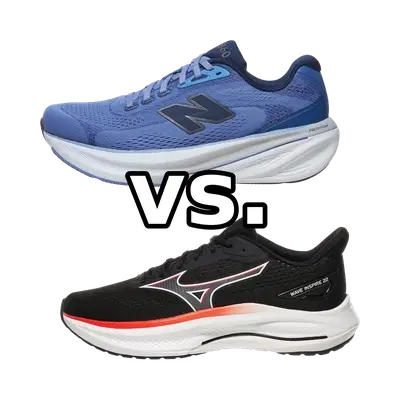
New Balance Fresh Foam X 860v15 vs Mizuno Wave Inspire 22
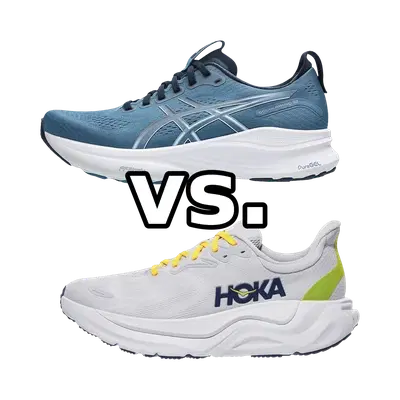
Asics Gel-Kayano 32 vs Hoka Arahi 8
© 2026 longrunshoes.ai | All rights reserved.
Use of materials from this site is permitted only with proper attribution and a link to longrunshoes.ai.