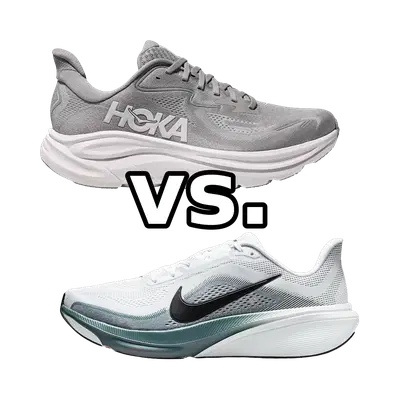
Hoka Clifton 10 vs Hoka Rincon 5:
Which to Choose
Verdict
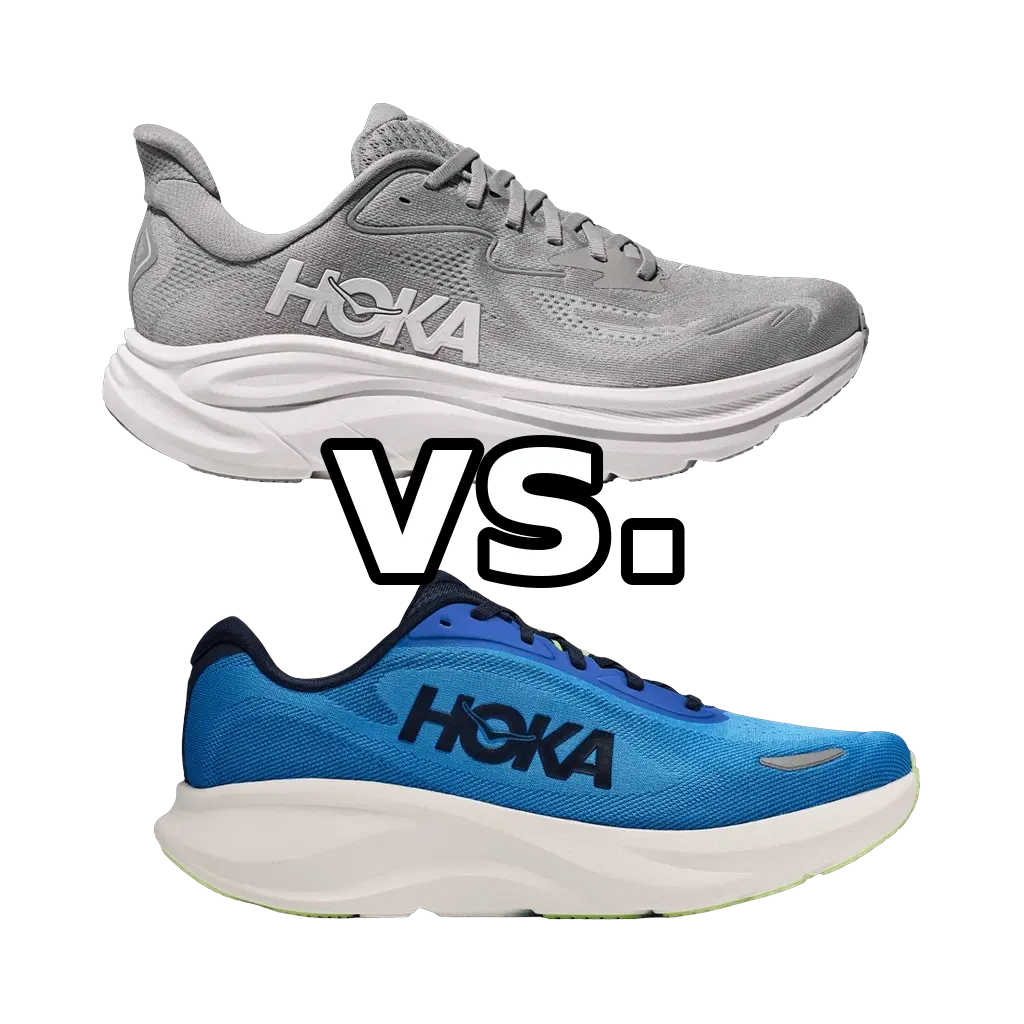
These aren't really competing on quality — they're two tunings of the same neutral-trainer recipe, and at nearly identical weight the choice comes down to foam feel, not specs on a label. Go Clifton 10 if you want soft, tall, long-run protection and spend most of your time running easy; go Rincon 5 if you want a firmer, lower, livelier shoe that sharpens up when you press the pace. Match the shoe to how you actually run most days and you can't pick wrong.
Pace
3 of 6
Cushioning
5 of 6
Responsiveness
3 of 6
Stability
4 of 6
Drop
8 mm
Support
Neutral
Plate
None
Distances
10KHalfMarathon
Pace
4 of 6
Cushioning
4 of 6
Responsiveness
3 of 6
Stability
4 of 6
Drop
8 mm
Support
Neutral
Plate
None
Distances
10KHalfMarathon
At a Glance
Hoka Clifton 10Hoka Rincon 5
Who Should Choose Each Shoe
Choose
Hoka Clifton 10
Pick the Clifton 10 if your week is built around easy aerobic volume and long runs and you want the most protection and plushness underfoot — it's the better choice for beginners, bigger-mileage recreational runners, and anyone training through to a marathon who prioritizes comfort and impact absorption over snap. If your fastest intention in this shoe is a steady long-run cruise rather than a tempo surge, the Clifton's taller, softer platform earns its keep.
Choose
Hoka Rincon 5
Choose the Rincon 5 if you want one shoe that can flex between relaxed miles and a tempo push, and you have a reasonably efficient footstrike that enjoys a firmer, more connected ride. It suits runners who find maximal-stack trainers vague at pace and want quicker transitions and a nimbler feel — especially if the half marathon is your target distance and you'd rather the shoe lean uptempo than cosset you on recovery days.
Head-to-Head
Start with what's actually identical, because it's a lot: both are neutral shoes with an 8mm drop, no plate, compression-molded EVA midsoles, breathable engineered-mesh uppers, and the same above-average-but-unmanaged stability (4/6 each) that comes from a wide Hoka base rather than any pronation control. Weight is a wash too — both sit around 275g, so despite the Rincon's leaner reputation it won't save you grams over the Clifton. Where they split is foam feel and geometry. The Clifton carries more underfoot — 42/34mm heel/forefoot versus the Rincon's ~40/30mm — and that extra forefoot stack pairs with a softer, deeper EVA tune to deliver a plush, impact-soaking ride that stays smooth and quiet on long cruises (cushioning 5/6). The trade-off is that the Clifton's foam is protective rather than springy; push the pace and it flattens, which is why it's happiest at an easy-to-steady 5:00–6:00 min/km and tops out usefully around 4:45. The Rincon takes the opposite tack: its EVA reads firmer and thinner than its stack suggests (cushioning 4/6), transitions are quicker, and it genuinely wakes up when you lean into tempo, which is reflected in its higher pace rating (4/6 vs 3/6) and faster optimal window of roughly 4:20–4:45 min/km. The flip side is honesty about easy days — at a slow jog the Rincon can read a touch firm, whereas the Clifton remains forgiving. Responsiveness is rated the same (3/6) on both because neither has a plate and the rebound comes purely from foam, so this isn't a soft-cushion-versus-energy-return battle — it's plush-and-rolling versus firm-and-connected.
Similar Comparisons
Hoka Rincon 4 vs Hoka Rincon 5
Hoka Clifton 10 vs Saucony Endorphin Azura
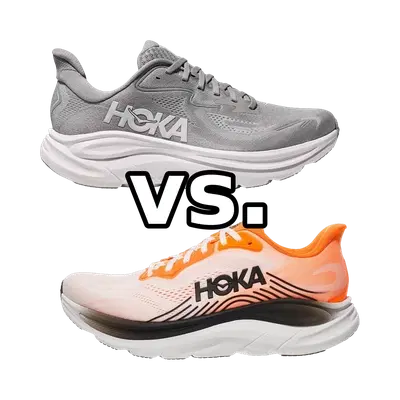
Hoka Clifton 10 vs Hoka Clifton 11
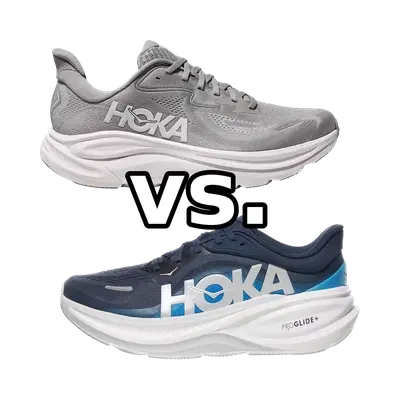
Hoka Clifton 10 vs Hoka Clifton Pro
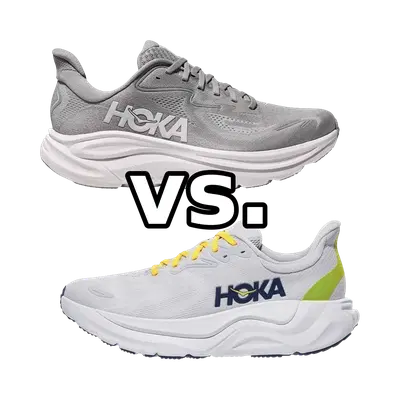
Hoka Clifton 10 vs Hoka Arahi 8
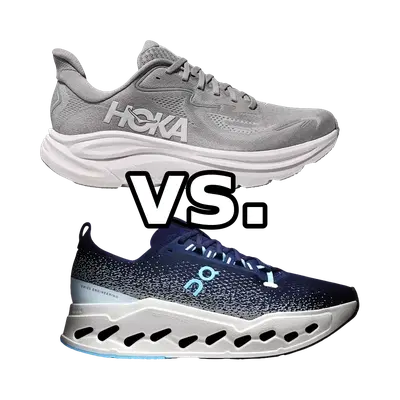
Hoka Clifton 10 vs On Cloudsurfer Max
Hoka Clifton 10 vs Mizuno Wave Serene
Hoka Clifton 10 vs Brooks Glycerin 23
© 2026 longrunshoes.ai | All rights reserved.
Use of materials from this site is permitted only with proper attribution and a link to longrunshoes.ai.