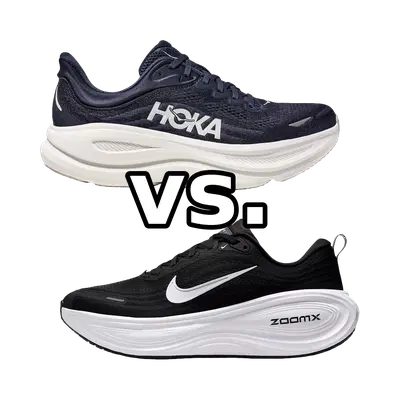
Hoka Bondi 9 vs Hoka Rincon 4:
Which to Choose
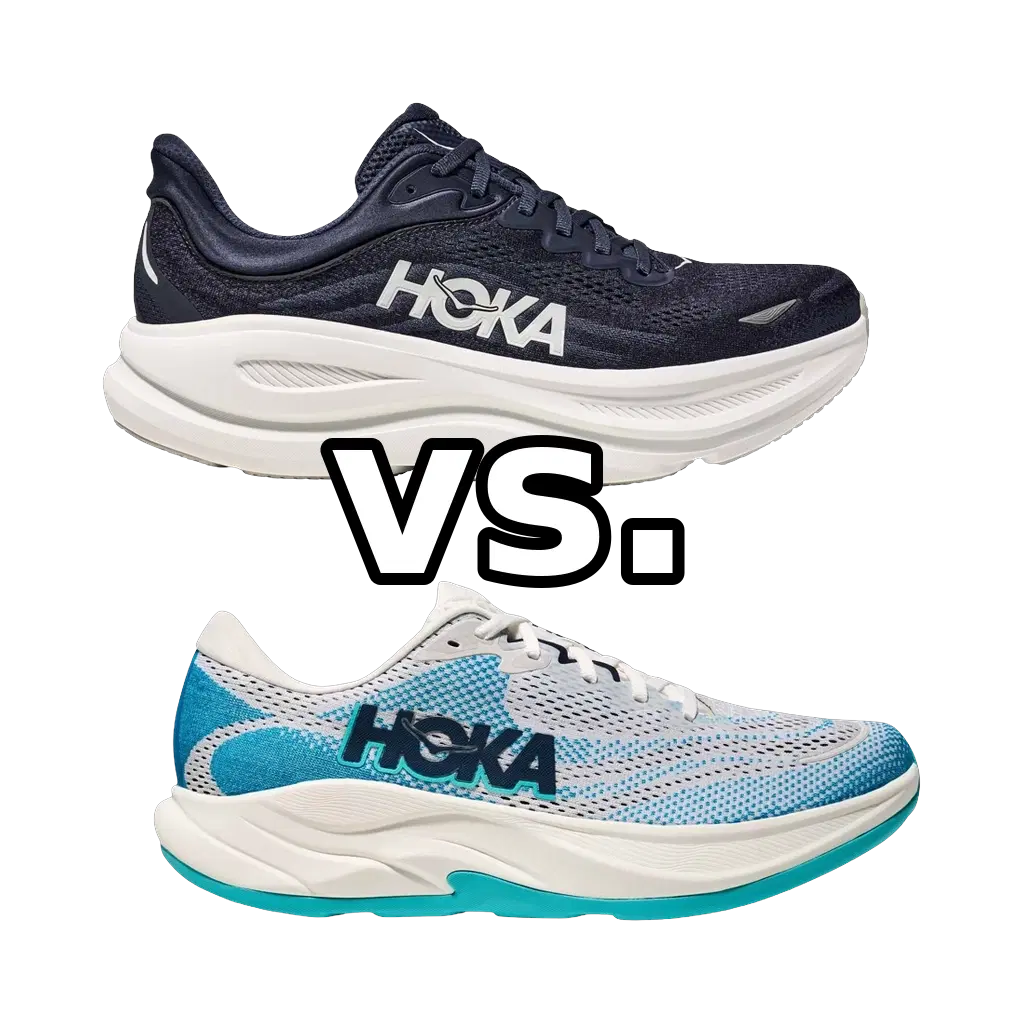
Verdict
It comes down to what you want the shoe to do, not which is better. Pick the Bondi 9 for maximum cushioning, stability, and recovery-day comfort; pick the Rincon 4 for a lighter, faster, more versatile trainer that can shift gears. If most of your running is easy and protective, go Bondi; if you want one nimble shoe for daily miles plus the occasional tempo, go Rincon.
Pace
2 of 6
Cushioning
6 of 6
Responsiveness
3 of 6
Stability
5 of 6
Drop
5 mm
Support
Stable Neutral
Plate
None
Distances
10KHalf
Pace
4 of 6
Cushioning
4 of 6
Responsiveness
3 of 6
Stability
3 of 6
Drop
5 mm
Support
Neutral
Plate
None
Distances
5K10KHalf
At a Glance
Hoka Bondi 9Hoka Rincon 4
Who Should Choose Each Shoe
Choose
Hoka Bondi 9
Choose the Bondi 9 if your priority is maximum protection on easy days, long slow miles, and recovery runs — it's the right call for beginners building volume, heavier runners, and anyone whose legs want a forgiving, planted landing rather than snap. Its wide, stable-neutral base also makes it the safer pick if you feel wobbly on tall shoes or value a secure, composed ride at conversational effort. Just don't expect it to come alive for tempo work; it's a cushion cruiser, not a pace shoe.
Choose
Hoka Rincon 4
Choose the Rincon 4 if you want one light shoe that covers everyday miles but can also pick up the pace, from 5K efforts through the half with the 10K as its sweet spot. It suits runners who value low weight, a quick turnover, and a firm, connected, springy ride over plush softness, and who are comfortable on a slightly taller, narrower platform. It's the better everyday do-it-all trainer for someone who occasionally wants to run uptempo without changing shoes.
Head-to-Head
The clearest split is weight and stack. The Bondi 9 runs around 297g in a men's US 9 on a towering 43mm heel stack, while the Rincon 4 comes in at roughly 220g on a stack in the low-30s mm — a difference of nearly 80 grams and more than a centimeter of foam underfoot. Both share the same 5mm drop, so the heel-to-toe geometry feels familiar between them, and neither uses a carbon or composite plate. But the foam and the mission differ: the Bondi's supercritical-EVA midsole is tuned for plush, impact-soaking protection and feels soft, planted, and a little muted when you push, whereas the Rincon's compression-molded CMEVA is firmer, livelier, and springier, waking up as the pace climbs rather than coddling you when you slow down. Stability is another real divergence — the Bondi earns a high, stable-neutral rating from its wide platform and sidewalls, so it stays composed and secure at easy efforts, while the Rincon's taller, slightly narrower base can feel a touch tippy at jogging paces until you find your rhythm. That maps directly onto pace: the Bondi is happiest in the 5:45–6:45 min/km easy zone and starts feeling heavy and dead past about 5:30, while the Rincon lives in a 4:30–5:15 uptempo window and stays effective down to roughly 4:15. One more trade-off: the Bondi's thick, protective build is the more durable, forgiving option for high mileage, whereas the Rincon's thin, lightweight outsole sacrifices some longevity for its quick, racy feel.
Similar Comparisons
New Balance FuelCell Propel v5 vs Hoka Rincon 4
Hoka Bondi 9 vs Asics Gel-Nimbus 28
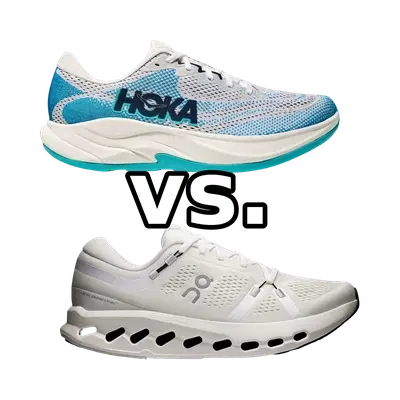
Hoka Rincon 4 vs On Cloudsurfer 2
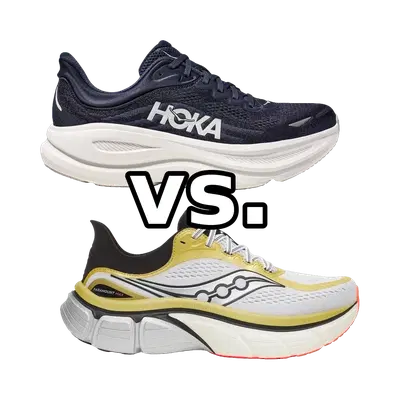
Hoka Bondi 9 vs Saucony Paramount Max
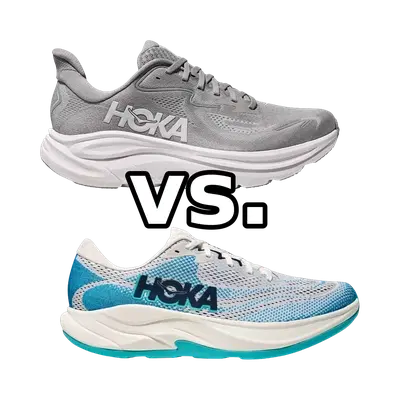
Hoka Clifton 10 vs Hoka Rincon 4
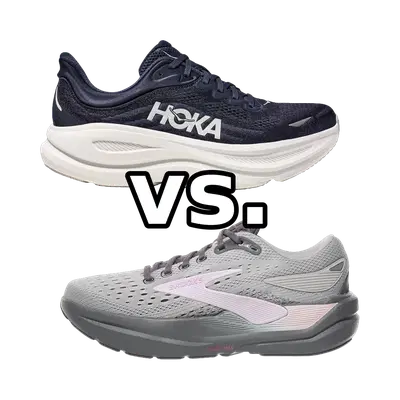
Hoka Bondi 9 vs Brooks Ghost Max 3
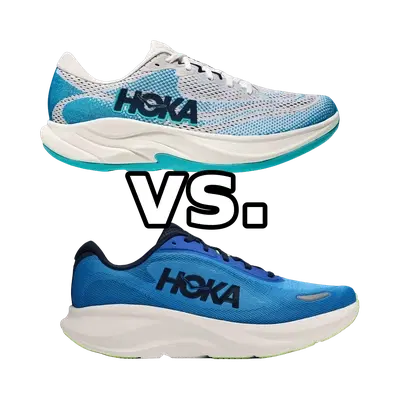
Hoka Rincon 4 vs Hoka Rincon 5
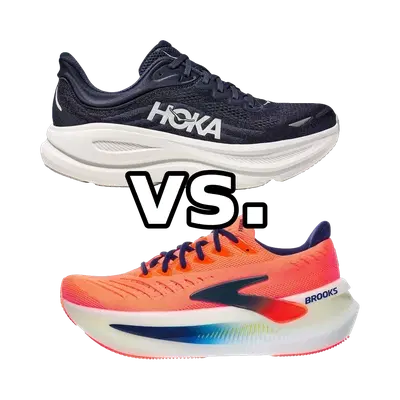
Hoka Bondi 9 vs Brooks Glycerin Max 2
© 2026 longrunshoes.ai | All rights reserved.
Use of materials from this site is permitted only with proper attribution and a link to longrunshoes.ai.