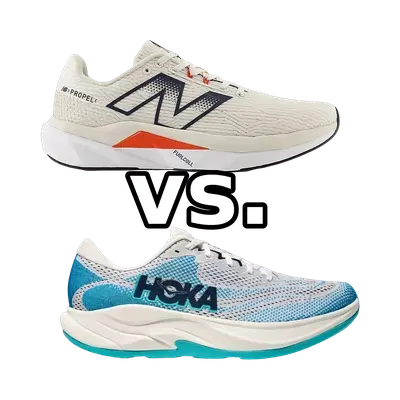
Hoka Rincon 4 vs On Cloudsurfer 2:
Which to Choose
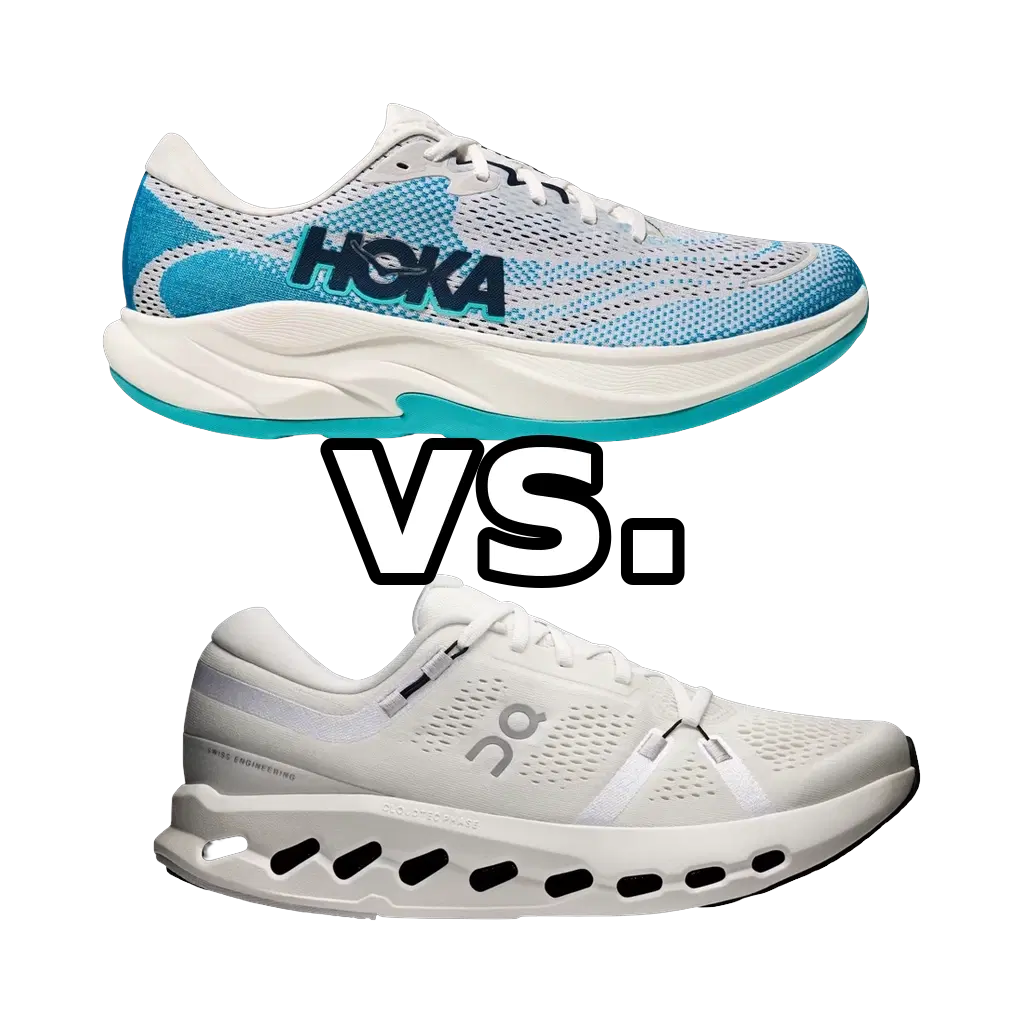
Verdict
It comes down to ride feel, not category — both are light, neutral, plateless do-it-all trainers that peak at the 10K. Go Rincon 4 if you want the lightest, firmest, quickest-feeling option with a touch more 5K range; go Cloudsurfer 2 if you want more foam-driven bounce, a slightly softer and more cushioned platform, and sturdier durability, and you're happy to carry a bit more weight to get it.
Pace
4 of 6
Cushioning
4 of 6
Responsiveness
3 of 6
Stability
3 of 6
Drop
5 mm
Support
Neutral
Plate
None
Distances
5K10KHalf
Pace
4 of 6
Cushioning
4 of 6
Responsiveness
4 of 6
Stability
3 of 6
Drop
9 mm
Support
Neutral
Plate
None
Distances
10KHalf
At a Glance
Hoka Rincon 4On Cloudsurfer 2
Who Should Choose Each Shoe
Choose
Hoka Rincon 4
Choose the Rincon 4 if you prize low weight and a quick, snappy turnover above plushness, and you want a shoe that covers everything from 5K sharpening up through the half. It suits runners — new or experienced — who like a firmer, rockered, ground-connected ride that rewards picking up the pace, and who don't mind that it feels a little flat on genuine recovery jogs. Pick it, too, if you want the lighter of the two on race-adjacent tempo days.
Choose
On Cloudsurfer 2
Choose the Cloudsurfer 2 if you want a bit more bounce and a slightly softer, more forgiving ride for daily 10K-to-half-marathon training, and you'd rather have energetic Helion foam underfoot than the absolute lightest shoe. It fits neutral recreational runners who keep some rhythm in their runs, want one versatile trainer that handles steady miles and tempo efforts, and value the slightly taller, more cushioned platform plus the sturdier, more durable build. It's the better call if a firm EVA ride has felt harsh to you in the past.
Head-to-Head
The clearest split is weight and ride character. The Rincon 4 is the featherweight of the pair at roughly 220g in a men's US 9, versus about 255g for the Cloudsurfer 2 — a real, noticeable gap you'll feel in turnover. That lightness pairs with a CMEVA (compression-molded EVA) midsole and Hoka's early-stage Meta-Rocker, giving the Rincon a firmer, connected, flick-you-forward ride that genuinely wakes up the faster you go and feels a touch dead at true recovery paces. The Cloudsurfer 2 instead runs On's Helion superfoam shaped into the CloudTec Phase geometry, where the hollow "clouds" collapse in sequence; it's springier and moderately softer than the Rincon, and our responsiveness scoring reflects that (4/6 for the On versus 3/6 for the Hoka). On geometry, the Rincon sits a hair lower and quicker with a 5mm drop and roughly 32mm of heel stack, while the Cloudsurfer's 7mm drop and roughly 34mm heel / 27mm forefoot stack give a slightly more forward, slightly more cushioned platform. Both share the quirk of feeling a little tippy and unplanted at slow, casual paces — these are shoes that reward keeping some rhythm — and both are neutral with no added pronation guidance. Use-case-wise they overlap heavily around the 10K, which is each shoe's sweet spot, but the Rincon stretches down to the 5K on the strength of its low weight, whereas the Cloudsurfer is happiest from a fast 10K through half-marathon tempo and leans more on foam rebound than on outright speed. One practical note: the Rincon's thin, light build trades some outsole durability for that weight, so if you grind through outsoles quickly the sturdier Cloudsurfer may age better.
Similar Comparisons
On Cloudsurfer 2 vs Hoka Mach 7
Hoka Clifton 10 vs Hoka Rincon 4
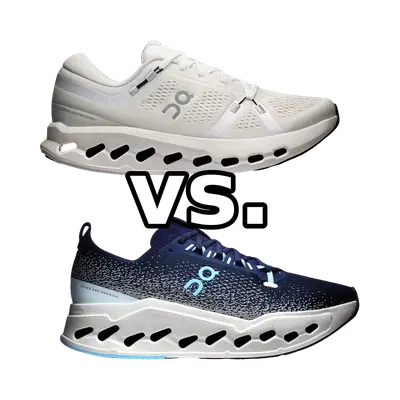
On Cloudsurfer 2 vs On Cloudsurfer Max
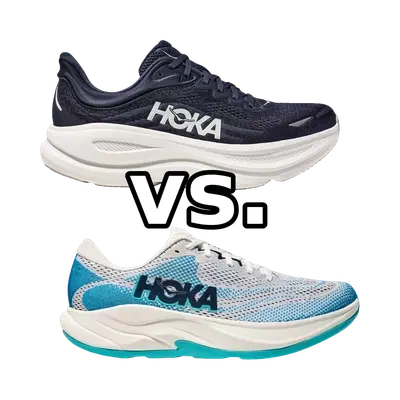
Hoka Bondi 9 vs Hoka Rincon 4
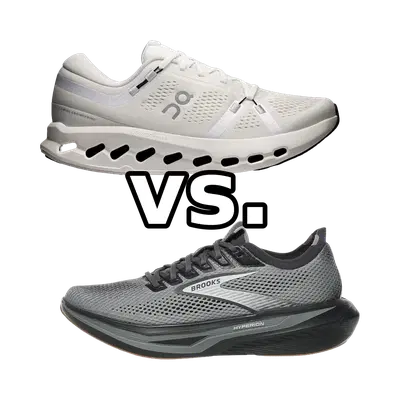
On Cloudsurfer 2 vs Brooks Hyperion 3
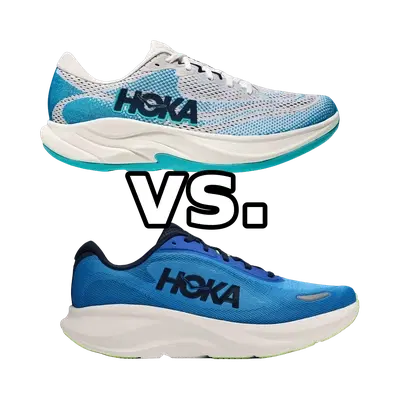
Hoka Rincon 4 vs Hoka Rincon 5
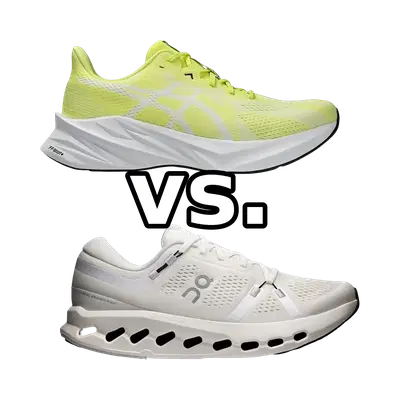
Asics Dynablast 5 vs On Cloudsurfer 2
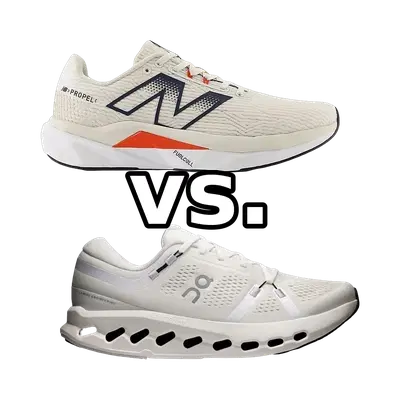
New Balance FuelCell Propel v5 vs On Cloudsurfer 2
© 2026 longrunshoes.ai | All rights reserved.
Use of materials from this site is permitted only with proper attribution and a link to longrunshoes.ai.