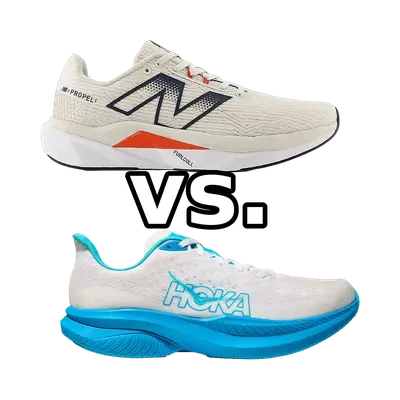
New Balance FuelCell Propel v5 vs Hoka Rincon 4:
Which to Choose
Verdict
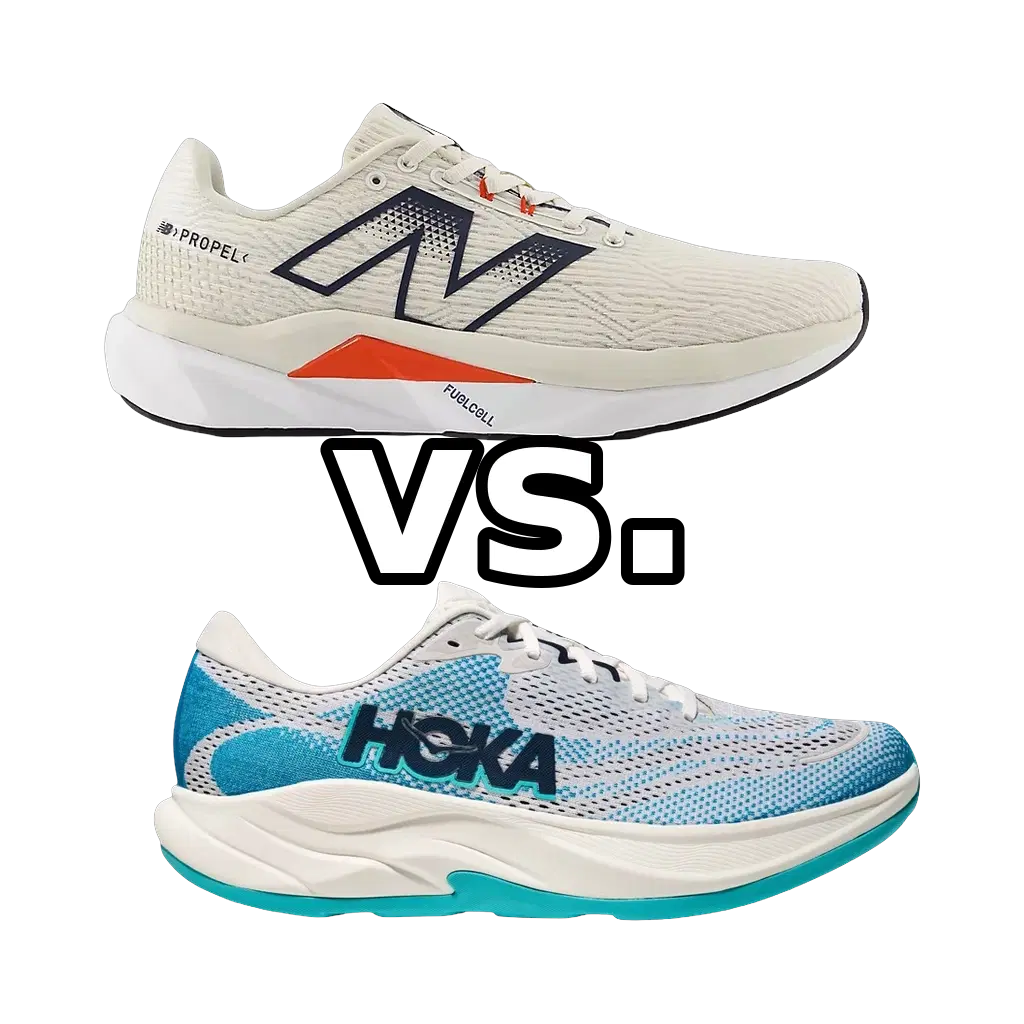
These are close rivals for the same job, so it comes down to ride preference and weight, not capability. Go with the Propel v5 for a softer, bouncier, more cushioned feel from the foam itself; go with the Rincon 4 if you want the noticeably lighter, firmer, rocker-driven shoe that feels quicker when you push the pace. Both will serve you equally well across 5K to half-marathon distances — pick the feel that suits your legs.
Pace
4 of 6
Cushioning
4 of 6
Responsiveness
4 of 6
Stability
3 of 6
Drop
6 mm
Support
Neutral
Plate
None
Distances
5K10KHalf
Pace
4 of 6
Cushioning
4 of 6
Responsiveness
3 of 6
Stability
3 of 6
Drop
5 mm
Support
Neutral
Plate
None
Distances
5K10KHalf
At a Glance
New Balance FuelCell Propel v5Hoka Rincon 4
Who Should Choose Each Shoe
Choose
New Balance FuelCell Propel v5
Pick the FuelCell Propel v5 if you want the softer, bouncier, more forgiving ride of the two and don't mind carrying a bit more shoe to get it. It's the better fit for beginner-to-intermediate neutral runners who prize a cushioned, friendly feel on daily and steady runs and want occasional pickups to feel springy rather than firm. If your legs appreciate a plusher landing more than they chase the lowest possible weight, this is your shoe.
Choose
Hoka Rincon 4
Choose the Hoka Rincon 4 if low weight and quick turnover matter most to you and you prefer a firmer, connected ride that wakes up as you speed up rather than one that coddles you when you slow down. Its rocker geometry and featherweight build make it the sharper tool for tempo work and faster 5K-to-half efforts, and it still doubles happily as an everyday and long-run trainer. Runners who like a midfoot strike and a natural, rolling feel — and who won't miss a plush, soft platform — will get the most from it.
Head-to-Head
The clearest, most decision-relevant difference is weight. The Rincon 4 is a genuine featherweight at roughly 220g in a men's US 9, while the Propel v5 sits around 270g — a gap of about 50g that you feel immediately on faster efforts. That weight difference tracks with the midsoles: the Propel's FuelCell foam is the softer, bouncier, more forgiving material (responsiveness rated 4/6), giving a lively ride that rewards a quicker cadence without feeling harsh, whereas the Rincon's CMEVA is a firmer, more connected EVA (responsiveness 3/6) that relies on Hoka's early-stage Meta-Rocker — a curved sole — to roll you forward and keep transitions quick. So the Propel gives you more pop from the foam itself; the Rincon gives you momentum from its geometry and low mass. Both are neutral platforms with no added pronation control and similar cushioning (4/6 each), and their drops are close — 6mm on the Propel, 5mm on the Rincon. The Rincon stretches a little faster and further when you push, staying effective down toward roughly 4:15 min/km versus the Propel's limit around 4:40, again largely thanks to its lighter build. Stability quirks differ in character rather than degree: the Propel's flatter, moderately soft platform can wander slightly on tight corners, while the Rincon's taller, slightly narrow platform can feel a touch tippy at very easy jogging paces until you settle into a rhythm. Both are lighter-tier, breathable mesh builds that trade some outsole durability for their ride, so high-mileage runners should keep an eye on wear in either case.
Similar Comparisons
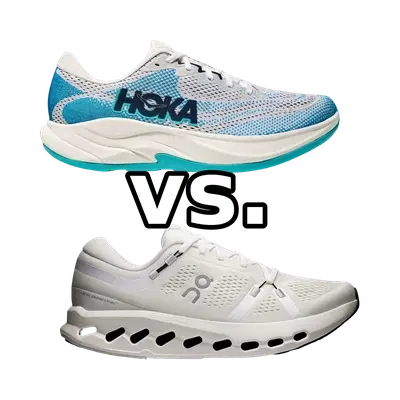
Hoka Rincon 4 vs On Cloudsurfer 2
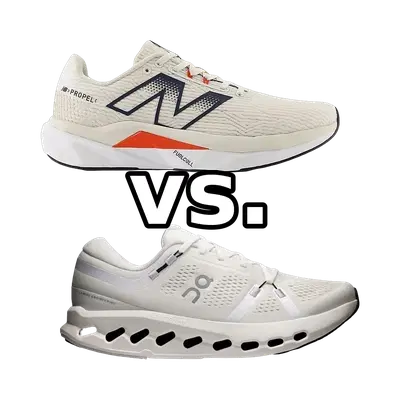
New Balance FuelCell Propel v5 vs On Cloudsurfer 2
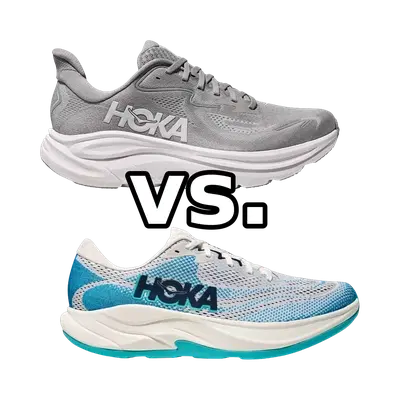
Hoka Clifton 10 vs Hoka Rincon 4
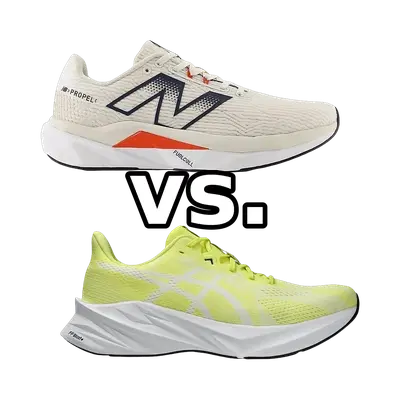
New Balance FuelCell Propel v5 vs Asics Dynablast 5
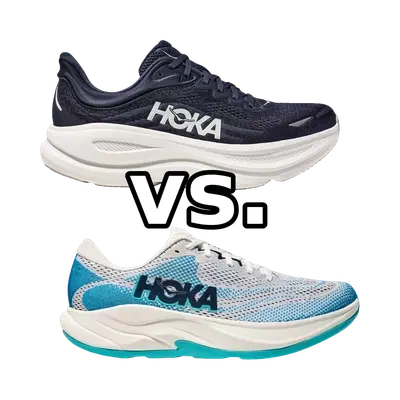
Hoka Bondi 9 vs Hoka Rincon 4
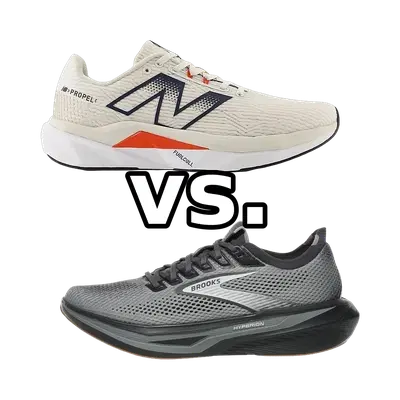
New Balance FuelCell Propel v5 vs Brooks Hyperion 3
Hoka Rincon 4 vs Hoka Rincon 5
New Balance FuelCell Propel v5 vs Adidas Adizero SL2
© 2026 longrunshoes.ai | All rights reserved.
Use of materials from this site is permitted only with proper attribution and a link to longrunshoes.ai.