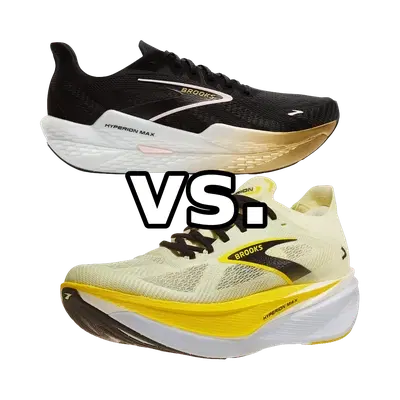
Brooks Hyperion Max 3 vs Brooks Hyperion Elite 5:
Which to Choose
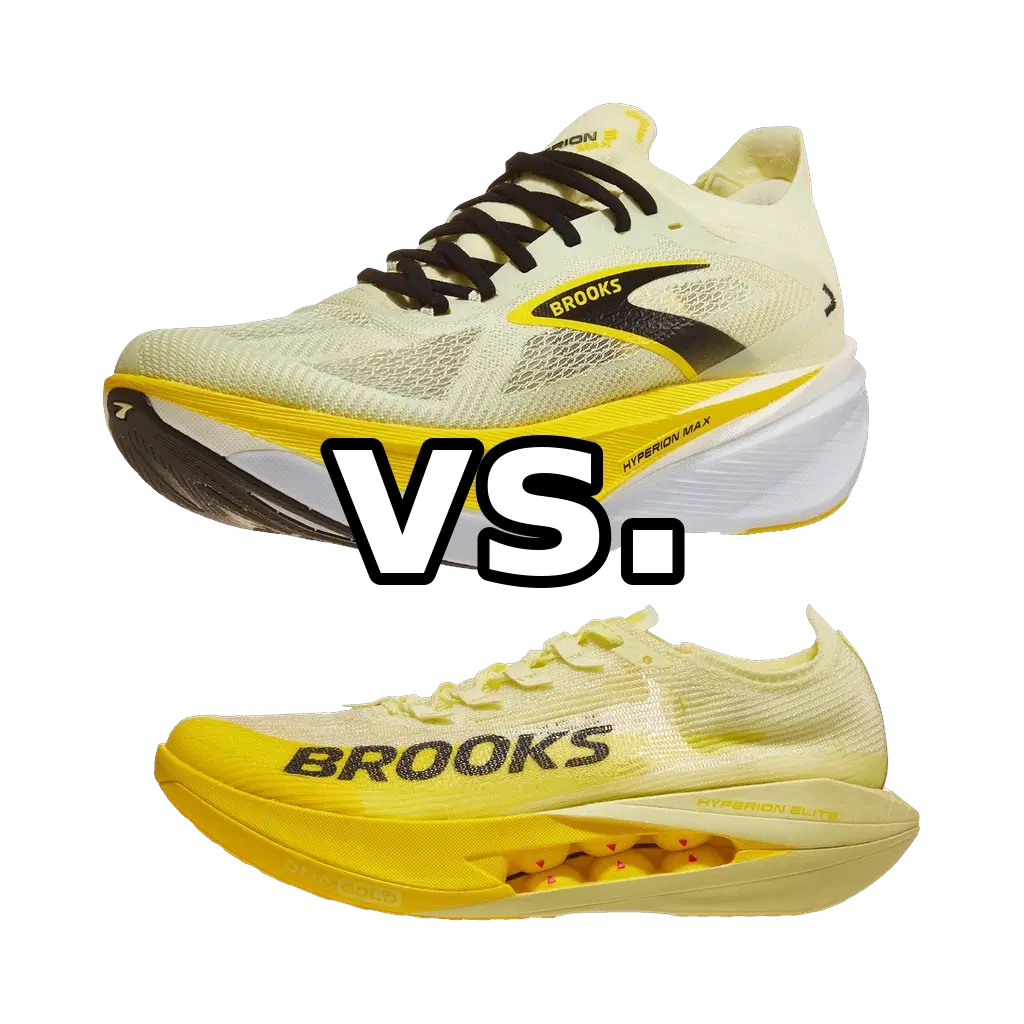
Verdict
It depends on how you'll use the shoe rather than on how fast you are. If you want one adaptable shoe for fast training and the occasional race, the more cushioned, forgiving, and durable Hyperion Max 3 is the pick; if you want a lighter, carbon-plated racer to save for the days you're truly racing and can hold the pace to unlock it, take the Hyperion Elite 5. Most runners will train in the Max 3 and race in the Elite 5 — the honest question is simply which of those two roles you're shopping for today.
Pace
5 of 6
Cushioning
6 of 6
Responsiveness
5 of 6
Stability
3 of 6
Drop
11 mm
Support
Neutral
Plate
Composite
Distances
10KHalfMarathon
Pace
6 of 6
Cushioning
5 of 6
Responsiveness
6 of 6
Stability
2 of 6
Drop
12 mm
Support
Neutral
Plate
Carbon
Distances
5K10KHalfMarathon
At a Glance
Brooks Hyperion Max 3Brooks Hyperion Elite 5
Who Should Choose Each Shoe
Choose
Brooks Hyperion Max 3
Pick the Hyperion Max 3 if you want one shoe to cover most of your faster running — tempo sessions, uptempo long runs, and steady daily miles — with a race-day feel that doesn't punish you at slower paces. Its taller, more cushioned platform, forgiving nylon plate, and greater durability make it the smarter choice for intermediate-to-experienced neutral runners who value versatility over outright speed, and for anyone racing the 10K to marathon who wants training and racing in the same pair. It's the better everyday workhorse of the two.
Choose
Brooks Hyperion Elite 5
Choose the Hyperion Elite 5 if you're a competitive or aspiring-competitive runner who wants a dedicated racing tool and can reliably hold a genuine race pace from 5K through the marathon. Its full carbon plate, lighter 204g build, and lower, springier platform reward runners who put force into the plate and want maximum propulsion on race day — but it's stiff and less rewarding at easy jogging paces and isn't built for high daily mileage. Heel and midfoot strikers chasing a personal best will get the most from it.
Head-to-Head
Both shoes share the same DNA Gold PEBA top layer and a forward-rolling rocker, but the platforms underneath diverge sharply. The Max 3 rides on a tall 46mm/35mm stack with DNA Flash v2 beneath the PEBA and a flexible nylon SpeedVault plate, weighing 283g (men's US 9); the Elite 5 uses a full-length DNA Gold midsole over a rigid SpeedVault+ carbon plate on a lower 38mm/26mm stack, at just 204g. That roughly 79g gap and the carbon-versus-nylon plate are the crux of the comparison: the Max 3's nylon plate bends to give a smooth, forgiving, rolling transition, while the Elite 5's carbon plate delivers a snappier, more propulsive toe-off that only rewards you when you put real force into it. Drop is effectively a wash — 11mm on the Max 3 versus 12mm on the Elite 5 — so both keep a distinctly heel-biased, ramped feel that suits heel and midfoot strikers. On cushioning, the Max 3 is the more maximal, plusher, and more stable of the two thanks to its taller platform and firmer DNA Flash base, whereas the Elite 5 trades some underfoot comfort and forgiveness for a lighter, narrower, faster ride. Neither is a true stability shoe — both are neutral with no medial posting — but the Elite 5's tall, narrow racing platform demands a more assured footstrike, while the Max 3's wider (if still tall) base is more manageable. Their pace windows tell the story cleanly: the Max 3 is tuned for tempo-to-marathon efforts around 3:45–4:45 min/km, while the Elite 5 comes alive at genuine race pace, roughly 2:55–3:30 min/km.
Similar Comparisons
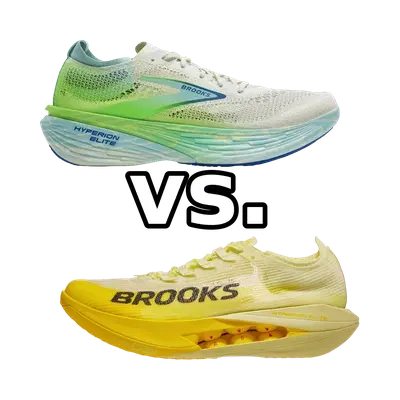
Brooks Hyperion Elite 4 PB vs Brooks Hyperion Elite 5
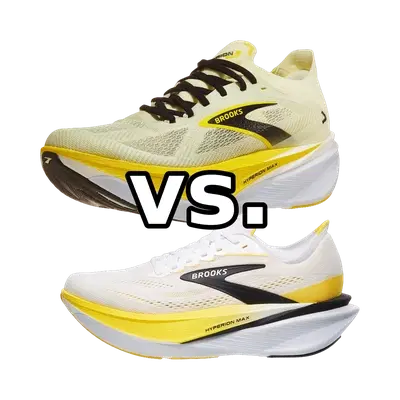
Brooks Hyperion Max 3 vs Brooks Hyperion Max 4
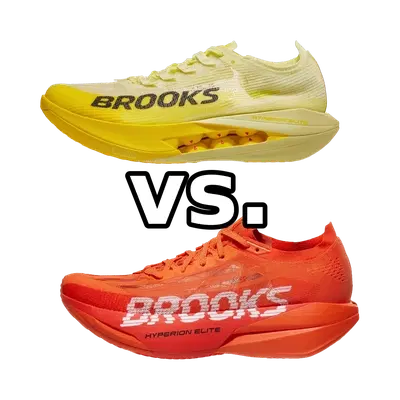
Brooks Hyperion Elite 5 vs Brooks Hyperion Elite 6
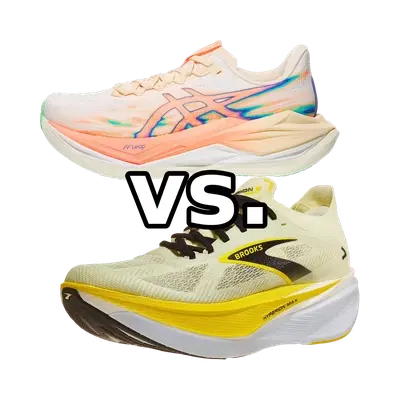
Asics Superblast 3 vs Brooks Hyperion Max 3

Nike Alphafly 3 vs Brooks Hyperion Elite 5
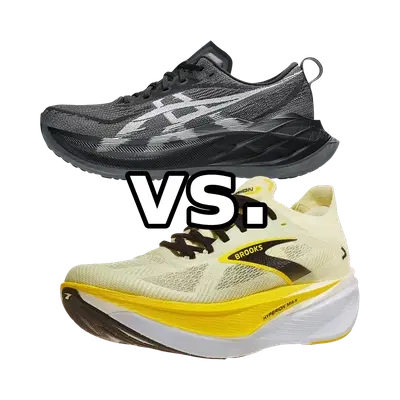
Asics Superblast 2 vs Brooks Hyperion Max 3
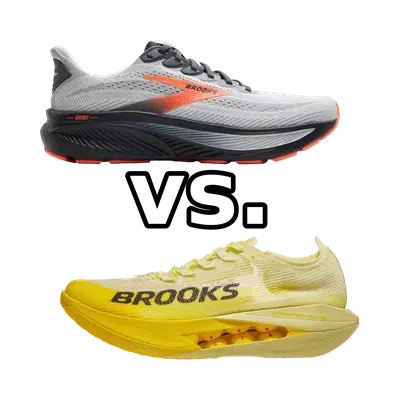
Brooks Ghost 17 vs Brooks Hyperion Elite 5
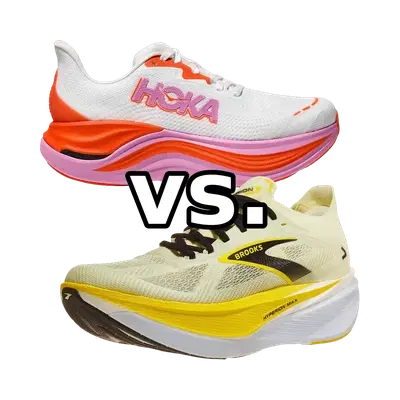
Hoka Skyward X vs Brooks Hyperion Max 3
© 2026 longrunshoes.ai | All rights reserved.
Use of materials from this site is permitted only with proper attribution and a link to longrunshoes.ai.