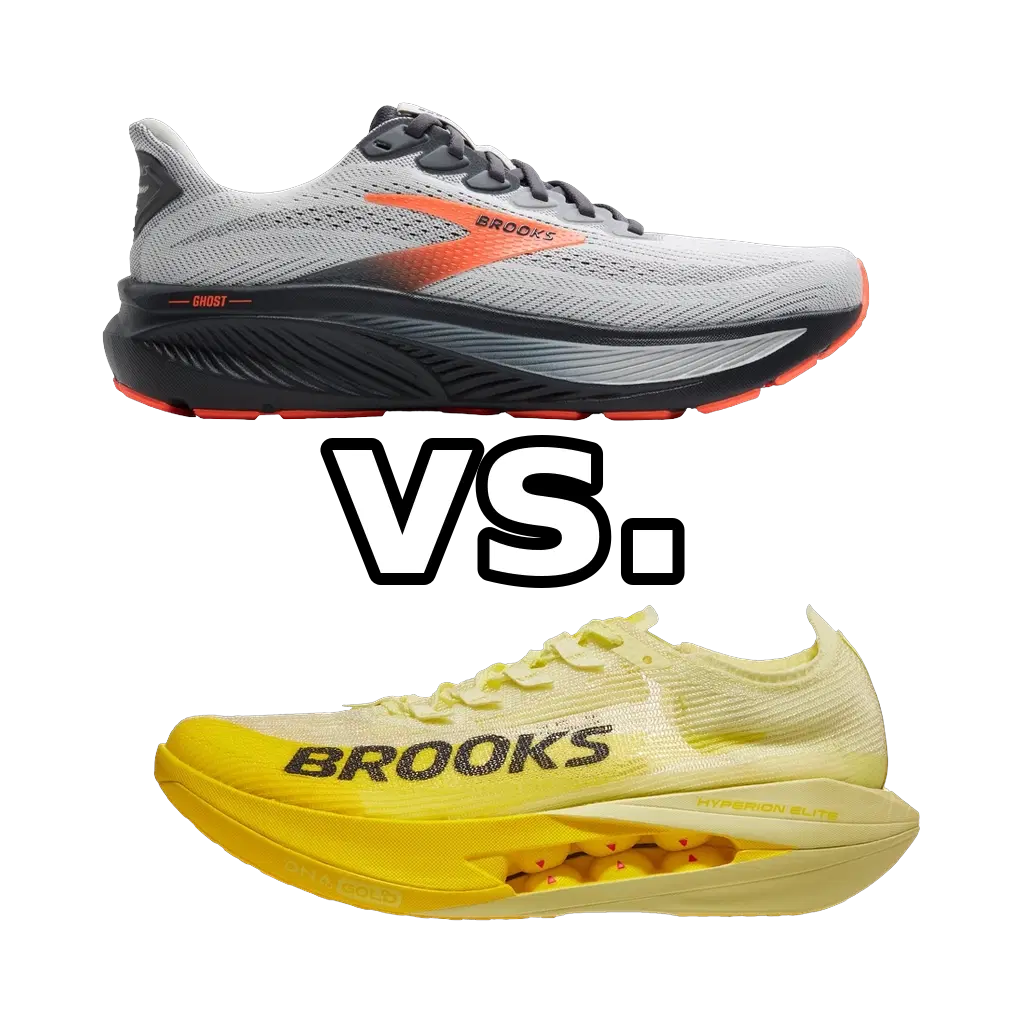
Brooks Ghost 17 vs Brooks Hyperion Elite 5:
Which to Choose
Verdict
It genuinely depends — but on your intent, not your budget. If you need a single, durable, comfortable shoe for the everyday miles that make up most of your training, the Ghost 17 is the clear answer. If you already have a daily trainer and want a dedicated, lightweight, plated shoe to chase times on race day, the Hyperion Elite 5 is built for exactly that. Many committed runners will end up owning both and reaching for each on the right day; forced to pick one, decide by which paces you spend most of your time at.
Pace
3 of 6
Cushioning
4 of 6
Responsiveness
3 of 6
Stability
4 of 6
Drop
12 mm
Support
Neutral
Plate
None
Distances
10KHalfMarathon
Pace
6 of 6
Cushioning
5 of 6
Responsiveness
6 of 6
Stability
2 of 6
Drop
12 mm
Support
Neutral
Plate
Carbon
Distances
5K10KHalfMarathon
At a Glance
Brooks Ghost 17Brooks Hyperion Elite 5
Who Should Choose Each Shoe
Choose
Brooks Ghost 17
Choose the Ghost 17 if you want one dependable shoe for the bulk of your weekly miles — easy runs, steady long runs, and moderate efforts — and you value comfort, stability, and durability over a propulsive kick. It's ideal for beginners building an aerobic base and for experienced runners who want a plush, planted, no-drama trainer that shrugs off high mileage. If your runs live in the 5:00–6:00 min/km range and you're not chasing a snappy race feel, this is the safer, more versatile everyday pick.
Choose
Brooks Hyperion Elite 5
Choose the Hyperion Elite 5 if you're a competitive or aspiring-competitive runner who can hold a genuine race pace and drive force into a carbon plate, from a fast 5K up to a marathon. It rewards runners targeting personal bests who already have a separate daily trainer for easy miles, since its narrow, tall platform and eager plate aren't forgiving at recovery paces and its racing outsole isn't built for everyday grinding. If your goal is to run 3:00–3:30 min/km on race day and feel the foam and plate spring back beneath you, this is the tool for it.
Head-to-Head
These two shoes share a surprising amount on paper — both are neutral, both run a tall 12mm heel-to-toe drop that favors heel and midfoot strikers, and both list the marathon among their best distances — but they feel nothing alike underfoot. The Ghost 17 uses Brooks' DNA Loft v3, a nitrogen-infused foam that's soft yet controlled, with no plate; the result is a smooth, quiet, predictable ride that takes the edge off pavement without ever rushing you forward. The Hyperion Elite 5 runs a DNA Gold PEBA superfoam over a full-length SpeedVault+ carbon plate, giving it a lively, springy, snappy toe-off that only truly comes alive once you're pushing hard. That difference shows up in the numbers: the Ghost is a substantial trainer at around 289g (men's US 9), while the Elite is a featherweight racer at roughly 204g — a gap of well over 80 grams you feel on every stride. Their cushioning stacks are actually comparable (both sit in the high-30s mm at the heel), so this isn't a case of one being far more protective than the other; it's about weight, spring, and platform. Stability is the other decisive split: the Ghost sits on a wide, planted base that's genuinely stable for a neutral shoe, whereas the Elite perches on a tall, narrow racing platform that demands an assured footstrike and feels twitchy at easy paces. Their optimal pace windows barely overlap — the Ghost is happiest around 5:00–6:00 min/km and starts to feel flat if you force the pace, while the Elite wants 3:00–3:30 min/km to make the plate and foam snap back, and feels stiff and impatient when you jog it slow. In short, the Ghost trades spring for durability and calm; the Elite trades forgiveness and everyday longevity for propulsion.
Similar Comparisons

Brooks Hyperion Elite 4 PB vs Brooks Hyperion Elite 5
Brooks Ghost 17 vs Brooks Ghost 18
Brooks Hyperion Elite 5 vs Brooks Hyperion Elite 6
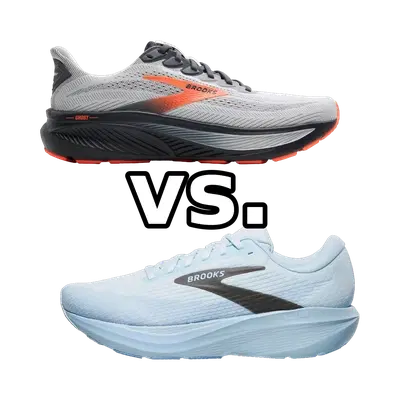
Brooks Ghost 17 vs Brooks Ghost AMP

Nike Alphafly 3 vs Brooks Hyperion Elite 5
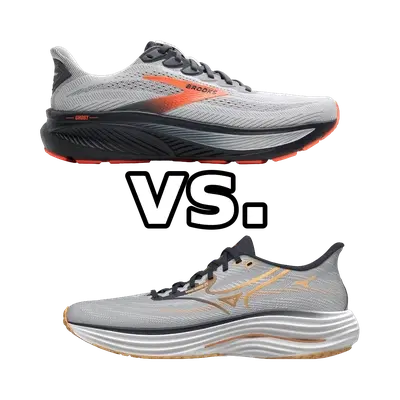
Brooks Ghost 17 vs Mizuno Wave Rider 29
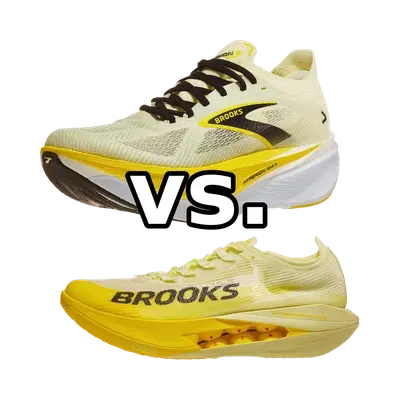
Brooks Hyperion Max 3 vs Brooks Hyperion Elite 5
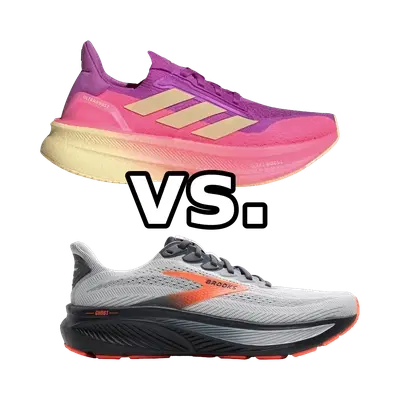
Adidas Ultraboost 5X vs Brooks Ghost 17
© 2026 longrunshoes.ai | All rights reserved.
Use of materials from this site is permitted only with proper attribution and a link to longrunshoes.ai.