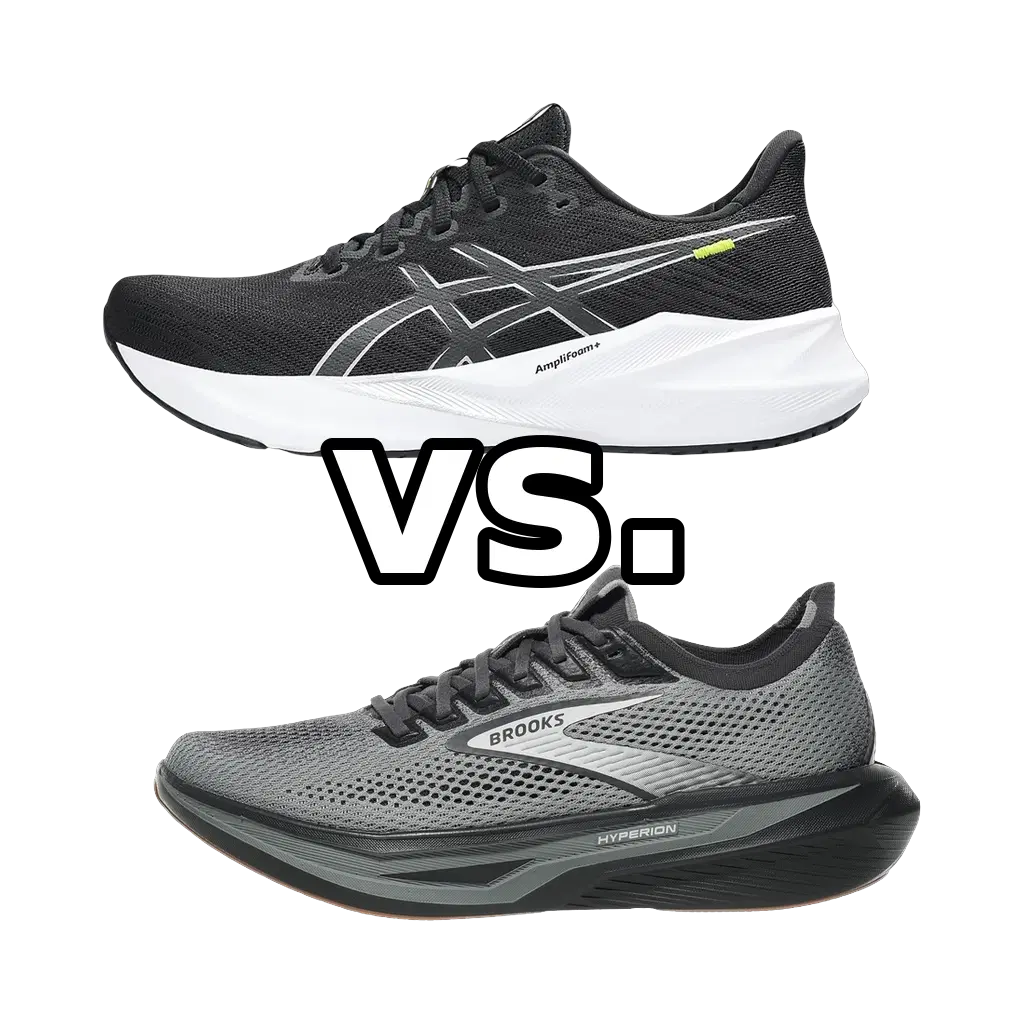
Asics Versablast 4 vs Brooks Hyperion 3:
Which to Choose
Verdict
This is a genuinely close call, and it comes down to ride preference and fit rather than any big gap in capability. Pick the Versablast 4 for the livelier, more connected, pop-at-speed feel; pick the Hyperion 3 for a touch more underfoot protection and a shoe that handles both workouts and daily miles with slightly more ease. Both are narrow, light, neutral trainers, so the smartest tiebreaker is to try each on and let foot shape and underfoot feel decide.
Pace
4 of 6
Cushioning
4 of 6
Responsiveness
5 of 6
Stability
3 of 6
Drop
8 mm
Support
Neutral
Plate
None
Distances
5K10KHalf
Pace
4 of 6
Cushioning
4 of 6
Responsiveness
4 of 6
Stability
3 of 6
Drop
8 mm
Support
Neutral
Plate
None
Distances
5K10KHalf
At a Glance
Asics Versablast 4Brooks Hyperion 3
Who Should Choose Each Shoe
Choose
Asics Versablast 4
Choose the Versablast 4 if you prize a snappy, energetic toe-off above all and want the shoe that feels most alive when you push the pace. It's the better pick for an efficient neutral runner with a smooth form who does mostly uptempo 5K-to-half work and brisk daily runs, and who doesn't mind a lower, more grounded, slightly firmer platform at easy efforts in exchange for that lively rebound.
Choose
Brooks Hyperion 3
Choose the Hyperion 3 if you want one shoe to absorb honest daily mileage as well as tempo days, and you'd rather have a little more foam under the heel for protection than the last ounce of pop. It suits a midfoot-striking neutral runner building toward quicker 5K-to-half efforts who wants a firm-but-protective ride, and it's the easier of the two to live with across a varied week — though its thin forefoot still means you'll feel the road on very long slow runs.
Head-to-Head
These two are more alike than different, so it's worth being honest about that first: identical 8mm drop, the same neutral stance, the same above-average (not plush) cushioning level, the same no-plate construction, and the same best-distance range of 5K/10K/half built around a 10K sweet spot. Both are lightweight, both reward a runner who leans into a faster rhythm, and both carry breathable engineered-mesh uppers. The real separation is in the foam and how much protection sits underfoot. The Versablast 4 uses Asics' FF Blast+ superfoam and is the marginally more energetic of the two — it earns a slightly higher responsiveness rating and genuinely "wakes up" when you accelerate, delivering a springy pop at speed, though its modest stack and narrower platform can feel a touch tippy and firm when you slow to an easy jog. The Hyperion 3 runs on a single slab of DNA Flash v2, a nitrogen-infused supercritical EVA that feels lively but moderately firm and rolls best off a midfoot strike; its forefoot is a thin 25mm, so ground feel is pronounced and it can turn harsh on tired legs or long slow efforts, but a taller heel stack gives it a touch more day-to-day protection than the Versablast's lower-profile build. In short: the Versablast leans slightly more toward uptempo liveliness and ground connection, while the Hyperion 3 trades a hair of that pop for a bit more foam beneath the heel.
Similar Comparisons
Brooks Hyperion 2 vs Brooks Hyperion 3
Asics Versablast 4 vs Asics Gel-Excite 11
Brooks Hyperion 3 vs Brooks Hyperion Max 3
Asics Versablast 4 vs New Balance FuelCell Rebel v5
Asics Dynablast 5 vs Brooks Hyperion 3
Brooks Hyperion 3 vs Hoka Mach 7
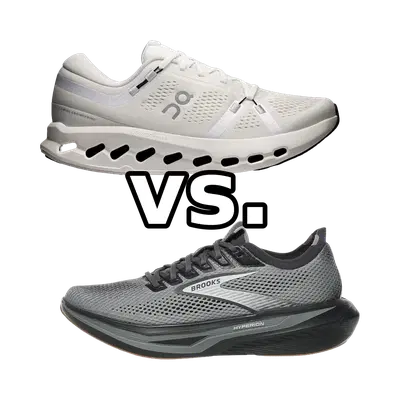
On Cloudsurfer 2 vs Brooks Hyperion 3
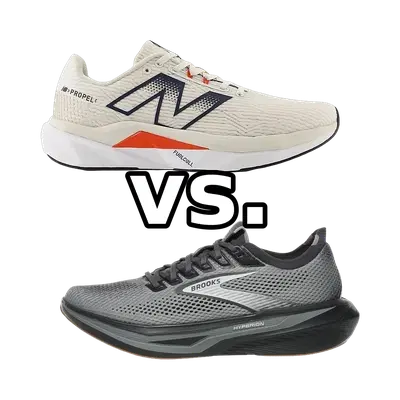
New Balance FuelCell Propel v5 vs Brooks Hyperion 3
© 2026 longrunshoes.ai | All rights reserved.
Use of materials from this site is permitted only with proper attribution and a link to longrunshoes.ai.