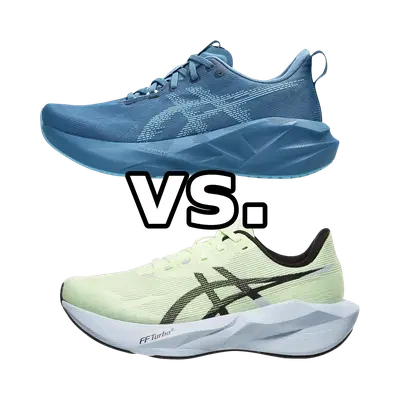
Asics Novablast 6 vs Asics Glideride Max 2:
Which to Choose
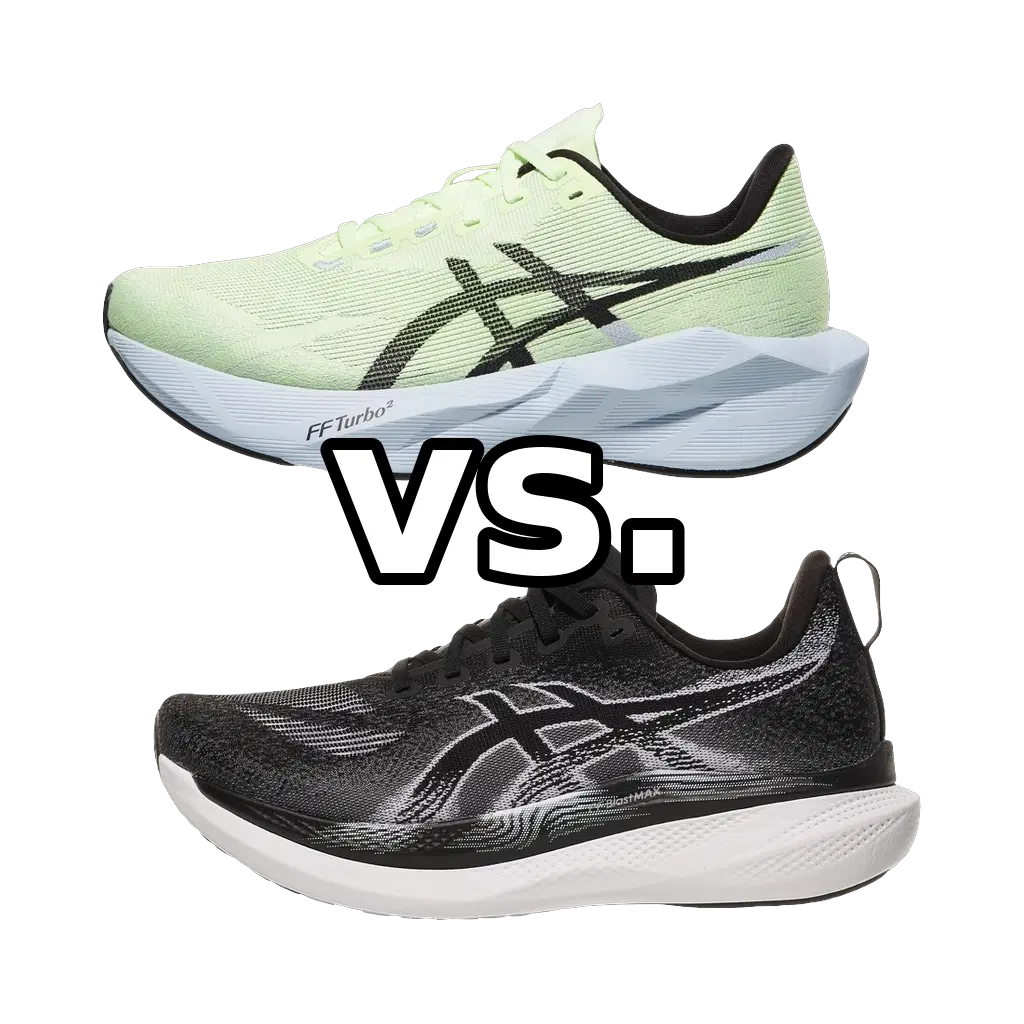
Verdict
It genuinely depends on how you train. If you want versatility and energy from a single lighter, springier shoe that can also go uptempo, the Novablast 6 is the pick; if you want a heavier, maximally cushioned, stable cruiser purely for easy and long miles, the Glideride Max 2 is purpose-built for exactly that. Decide by your slowest and your fastest planned runs: the Novablast covers a wider pace range, while the Glideride is the more protective, more planted long-run specialist.
Pace
4 of 6
Cushioning
5 of 6
Responsiveness
5 of 6
Stability
3 of 6
Drop
8 mm
Support
Neutral
Plate
None
Distances
10KHalfMarathon
Pace
3 of 6
Cushioning
6 of 6
Responsiveness
4 of 6
Stability
5 of 6
Drop
11 mm
Support
Stable Neutral
Plate
Composite
Distances
HalfMarathon
At a Glance
Asics Novablast 6Asics Glideride Max 2
Who Should Choose Each Shoe
Choose
Asics Novablast 6
Pick the Novablast 6 if you want one neutral shoe to cover most of your week — easy miles, steady runs, long runs, and the occasional tempo or 10K — without buying a separate uptempo trainer. Its lighter weight, springier foam, and lower 8 mm drop reward runners who like a lively, responsive feel and a quicker cadence, from beginners to experienced runners who don't need pronation support or a race plate. Just know the tall, soft platform feels least planted at very slow, flat-footed paces.
Choose
Asics Glideride Max 2
Pick the Glideride Max 2 if your priority is logging patient, high-volume easy and long miles with maximum leg protection, and you value a stable, planted ride over spring. Its dual-density midsole, 11 mm drop, composite plate, and wide rockered base suit half- and marathon trainees with neutral-to-mildly-lazy gaits who want guidance without a medial post, and who are happy to let the rocker do the work at a relaxed cruise. It's the better choice if you already have a faster shoe for speed days and want a dedicated long-run cushioner — just try it on for length, as it fits slightly short.
Head-to-Head
Both shoes sit on a near-identical heel stack — 41.5 mm for the Novablast 6 versus 42 mm for the Glideride Max 2 — and both put a layer of soft FF Blast Max underfoot, so neither is short on protection. The similarity ends there. The Novablast carries a higher forefoot (33.5 mm) and a lower 8 mm drop, with no plate and a forefoot FF Turbo Squared pod, giving it a bouncy, lively push-off that rewards a quicker cadence; the Glideride runs a lower 31 mm forefoot and a traditional 11 mm drop, layering firmer FF Blast Plus beneath the soft top foam and threading a 3/4-length composite EVA plate through the middle. That plate plus an aggressive rocker is the real divider: it makes the Glideride roll you forward smoothly and feel composed rather than mushy, but it adds stiffness and glide, not pop — so the ride is calm and planted where the Novablast is energetic and quick. Stability follows the same split: the Glideride's wide, rockered, stable-neutral platform (5/6) stays grounded, while the Novablast's taller, softer, lower-drop build (3/6) can feel a touch tippy when you're tired and shuffling. The Novablast is also the lighter shoe at 249 g against the Glideride's 264 g, which, combined with its springier foam, is why it comfortably stretches to tempo work and 10K efforts the Glideride isn't built for. Pace tells the story cleanly: the Novablast is happiest around 4:30–5:30 min/km and can lift to 4:15, whereas the Glideride settles into a 5:30–6:30 cruise and starts to feel sluggish if you force it quicker. One fit note — the Glideride's snug recycled-polyester upper runs slightly short, so size with length in mind.
Similar Comparisons
Asics Glideride Max vs Asics Glideride Max 2
Asics Novablast 6 vs Nike Pegasus 42
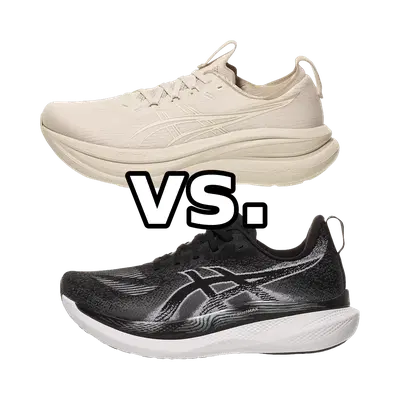
Asics Gel-Nimbus 28 vs Asics Glideride Max 2
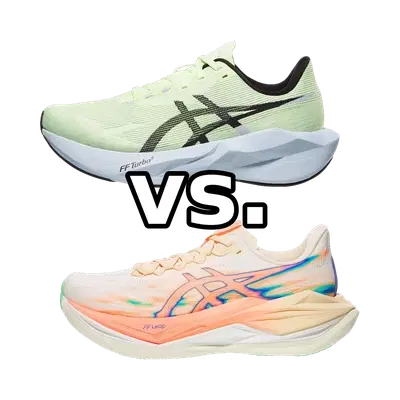
Asics Novablast 6 vs Asics Superblast 3
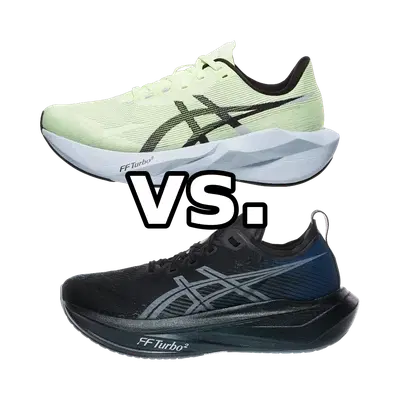
Asics Novablast 6 vs Asics Megablast
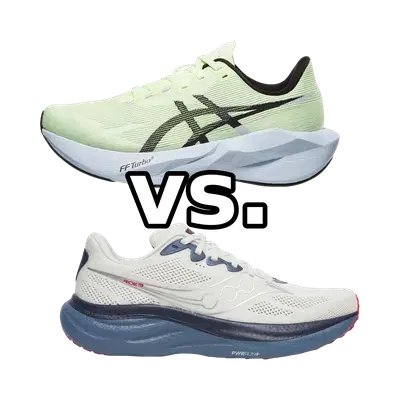
Asics Novablast 6 vs Saucony Ride 19
Asics Novablast 6 vs New Balance FuelCell Rebel v5
Asics Novablast 6 vs Hoka Clifton 11
© 2026 longrunshoes.ai | All rights reserved.
Use of materials from this site is permitted only with proper attribution and a link to longrunshoes.ai.