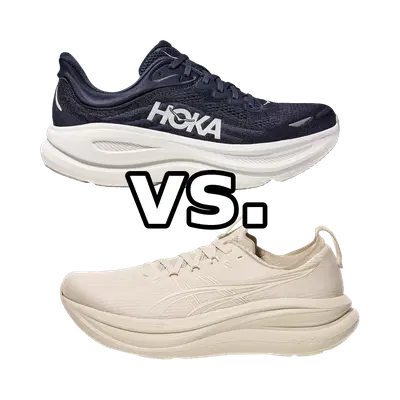
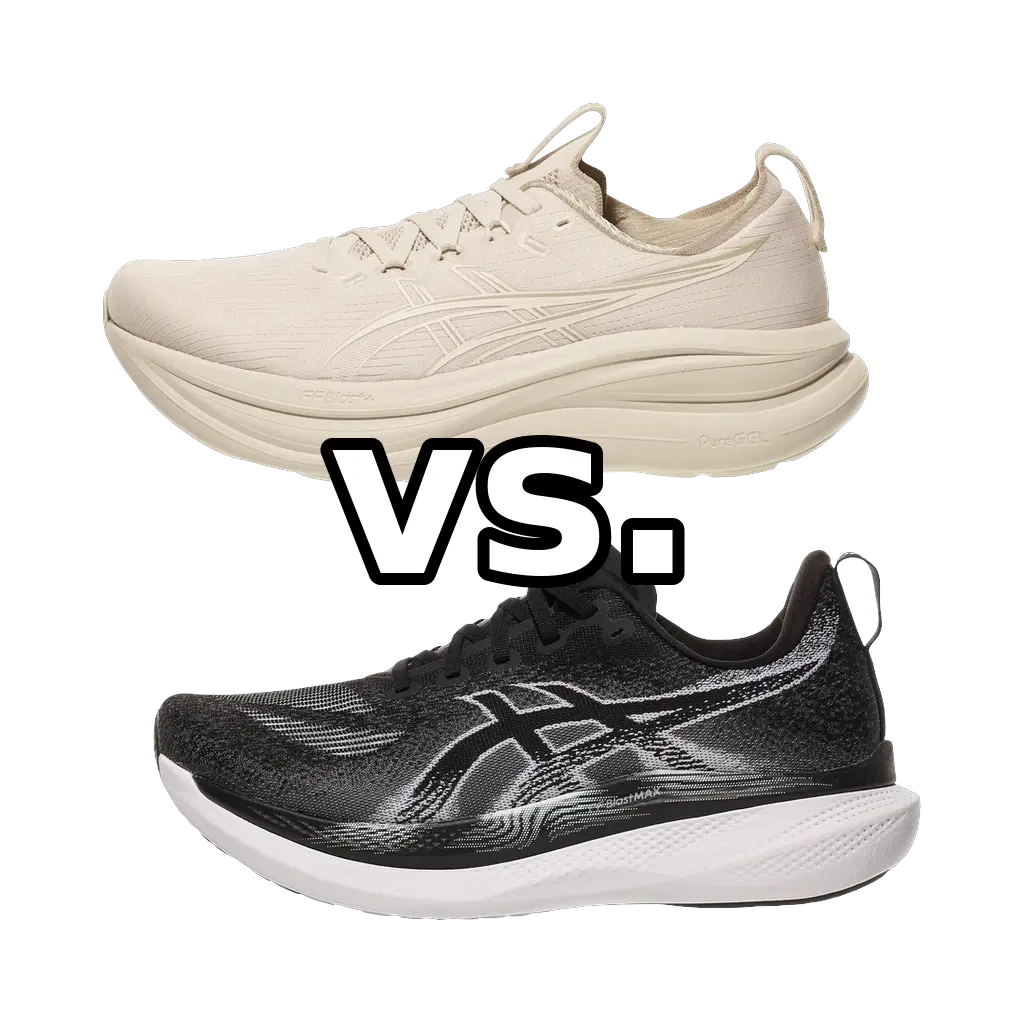
Asics Gel-Nimbus 28 vs Asics Glideride Max 2:
Which to Choose
Verdict
Neither is faster or more cushioned than the other — they're equally plush, equally neutral, and equally uninterested in speed — so pick by distance and feel. If your longest runs are halves and you want a lower-drop, plush, naturally-riding daily trainer, take the Nimbus 28; if you're logging marathon-length long runs and want a taller, lighter shoe where an aggressive rocker does the work, take the Glideride Max 2 and check the fit for length.
Pace
3 of 6
Cushioning
6 of 6
Responsiveness
4 of 6
Stability
5 of 6
Drop
8 mm
Support
Stable Neutral
Plate
None
Distances
10KHalf
Pace
3 of 6
Cushioning
6 of 6
Responsiveness
4 of 6
Stability
5 of 6
Drop
11 mm
Support
Stable Neutral
Plate
Composite
Distances
HalfMarathon
At a Glance
Asics Gel-Nimbus 28Asics Glideride Max 2
Who Should Choose Each Shoe
Choose
Asics Gel-Nimbus 28
Choose the Gel-Nimbus 28 if your bread-and-butter is daily easy miles, 10Ks and the occasional half, and you want the softest, most forgiving landing you can get. The lower 6mm drop, thicker 34mm forefoot and plate-free FF Blast+ reward runners who like a plush, natural-feeling stride and don't want a rocker steering their gait — and the PureGEL heel is a bonus for heel-first landers who prioritize a gentle touchdown over forward roll.
Choose
Asics Glideride Max 2
Choose the Glideride Max 2 if you're building toward a half or full marathon and want a tall, rockered cruiser that helps carry you through long runs with minimal effort. The 11mm drop suits runners who prefer a traditional, heel-friendly geometry, the EVA plate and firmer FF Blast Plus base keep the ride composed deep into a run, and the lighter 264g build is a plus for high-volume weeks — just size up or try before you buy, since the woven upper fits short.
Head-to-Head
Start with what they share: both are stable-neutral platforms (5/6) with maximal foam, no medial post, and a soft but planted character tuned for comfort over pop. The differences are in geometry and ride. The Nimbus 28 runs a 40mm heel / 34mm forefoot stack with a lower 6mm drop and no plate — FF Blast+ foam plus a PureGEL heel insert make for a calm, forgiving, almost dead-calm touchdown that smooths heel-first landings and keeps a thick 34mm of forefoot underfoot. The Glideride Max 2 goes the other way: a 42mm heel / 31mm forefoot stack and a much taller 11mm drop, with a 3/4-length EVA composite plate and an aggressive rocker layering FF Blast Max over firmer FF Blast Plus. That combination makes it feel composed rather than soft-and-sinky, and the rocker — not a snappy foam — does the work of rolling you through the forefoot once you settle into a rhythm. The Glideride is also the lighter of the two at 264g versus the Nimbus's 278g (both men's US 9). Use case follows the geometry: the Nimbus is happiest at 10K to half-marathon and tops out around 5:15–5:45/km, while the Glideride is a half-to-marathon shoe whose sweet spot is relaxed long-run cruising, holding slightly faster to about 5:00–5:30/km before the rocker starts to feel sluggish. Fit differs too — the Nimbus wears an engineered knit mesh with a fairly standard fit, whereas the Glideride's snug recycled-polyester woven upper runs slightly short and is worth trying on for length.
Similar Comparisons
Asics Glideride Max vs Asics Glideride Max 2
Nike Vomero Plus vs Asics Gel-Nimbus 28
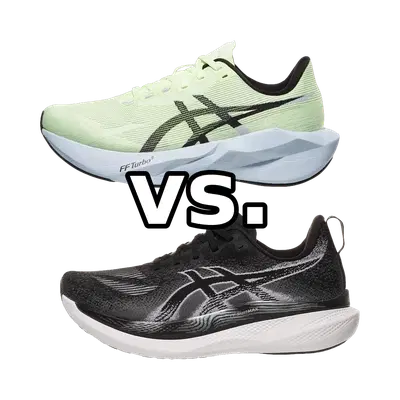
Asics Novablast 6 vs Asics Glideride Max 2
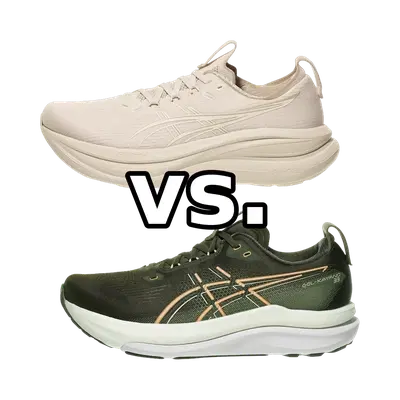
Asics Gel-Nimbus 28 vs Asics Gel-Kayano 33
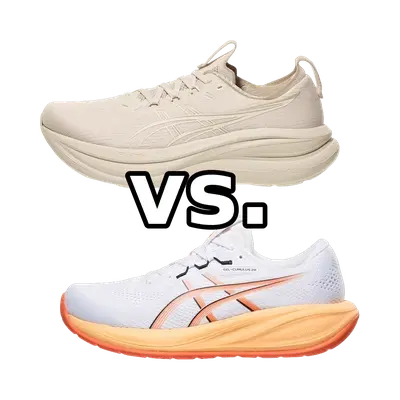
Asics Gel-Nimbus 28 vs Asics Gel-Cumulus 28
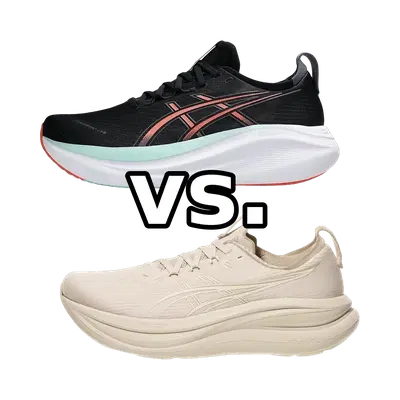
Asics Gel-Nimbus 27 vs Asics Gel-Nimbus 28
Asics Gel-Nimbus 28 vs Saucony Hurricane 26
Asics Gel-Nimbus 28 vs Mizuno Wave Horizon 9
© 2026 longrunshoes.ai | All rights reserved.
Use of materials from this site is permitted only with proper attribution and a link to longrunshoes.ai.