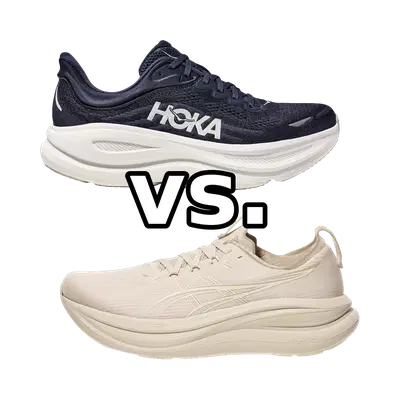
Asics Gel-Nimbus 28 vs Mizuno Wave Horizon 9:
Which to Choose
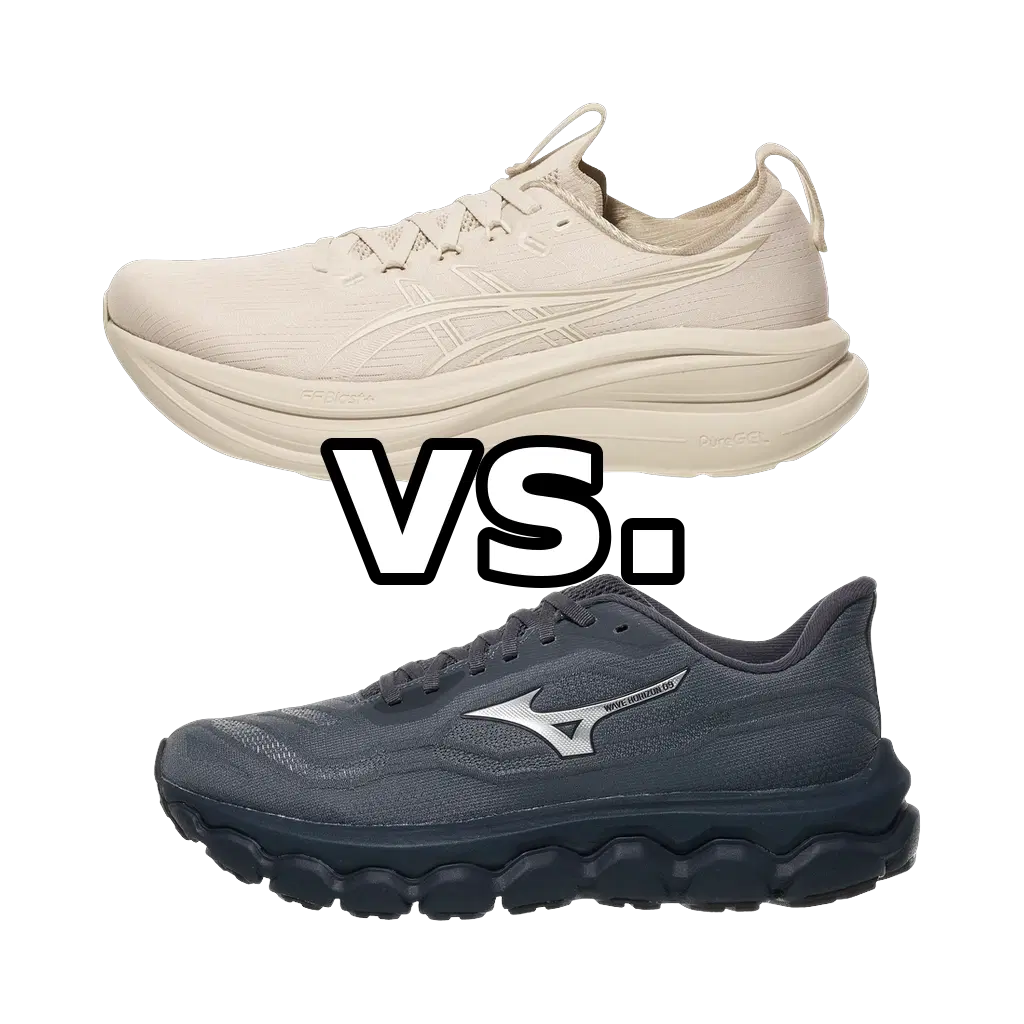
Verdict
It comes down to your gait and how far you run, not to how the two feel on a shelf. If you're neutral and want the lightest, plushest ride for daily miles up to the half, take the Gel-Nimbus 28; if you need real stability support or regularly log marathon-length long runs, the heavier, guided Wave Horizon 9 is the shoe built for you. Both deliver max cushioning for easy pacing — the deciding factor is whether you want structure and marathon range (Horizon) or lighter, freer neutral comfort (Nimbus).
Pace
3 of 6
Cushioning
6 of 6
Responsiveness
4 of 6
Stability
5 of 6
Drop
6 mm
Support
Stable Neutral
Plate
None
Distances
10KHalf
Pace
3 of 6
Cushioning
6 of 6
Responsiveness
4 of 6
Stability
5 of 6
Drop
8 mm
Support
Stability
Plate
None
Distances
10KHalfMarathon
At a Glance
Asics Gel-Nimbus 28Mizuno Wave Horizon 9
Who Should Choose Each Shoe
Choose
Asics Gel-Nimbus 28
Choose the Gel-Nimbus 28 if you have a neutral (or only mildly wandering) gait and want the plushest, lightest possible cushioning for daily easy runs and long training up to the half. Its ~42 g weight advantage and lower 6 mm drop make it the nimbler, more natural-striding of the two, ideal for a recreational or higher-mileage runner who prioritizes a soft, protective landing over structure. If you don't need pronation support and just want comfort underfoot, this is the more efficient pick.
Choose
Mizuno Wave Horizon 9
Choose the Wave Horizon 9 if you overpronate, run heavier, or simply want structured guidance baked into a max-cushion trainer. Its FOAM WAVE geometry and taller, planted platform reward a relaxed, rolling cadence over long, steady volume — and it's the better call if your long runs stretch into marathon territory, since that distance is squarely in its wheelhouse. Runners who value a controlled, supported ride and don't mind carrying a bit more shoe to get it will be at home here.
Head-to-Head
On paper these two look like twins — both are maximum cushioning (6/6), both are tuned for easy-to-steady pacing (3/6), both carry moderate responsiveness (4/6) with no plate, and both land at the same overall stability score. Stack heights are nearly identical too: the Nimbus rides on a 40 mm heel / 34 mm forefoot platform, the Horizon on 41 mm / 33 mm. But the similarities hide two real differences. First, support philosophy: the Nimbus is stable-neutral — it steadies the ride passively through a wide max-cushion base and PureGEL heel, with no pronation correction — whereas the Horizon is a genuine stability shoe, using Mizuno's foam-based FOAM WAVE geometry to actively guide overpronation. Second, mass: the Nimbus weighs 278 g in a men's US 9 versus roughly 320 g for the Horizon, a real ~42 g gap you feel underfoot, and it pairs with a lower 6 mm drop against the Horizon's 8 mm. Ride-feel follows from the foams — the Nimbus's FF Blast+ is soft, calm and forgiving but a touch dead when pushed, while the Horizon layers a livelier Enerzy NXT top over a firmer Enerzy base for a soft landing that settles onto a planted, controlled platform. The Horizon also stretches its comfortable range further, listing the full marathon among its best distances alongside the 10K and half, while the Nimbus tops out at the half. Neither is a speed tool; both start feeling like more shoe than the pace needs once you drop under about 5:30 min/km.
Similar Comparisons
Mizuno Wave Horizon 8 vs Mizuno Wave Horizon 9
Nike Vomero Plus vs Asics Gel-Nimbus 28
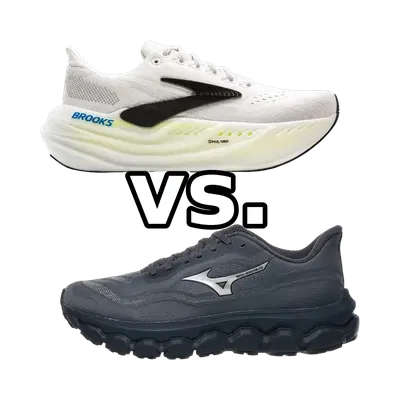
Brooks Glycerin Max vs Mizuno Wave Horizon 9
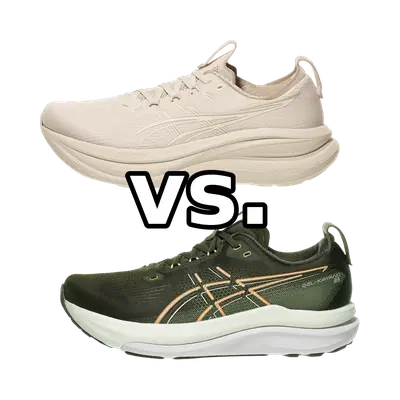
Asics Gel-Nimbus 28 vs Asics Gel-Kayano 33
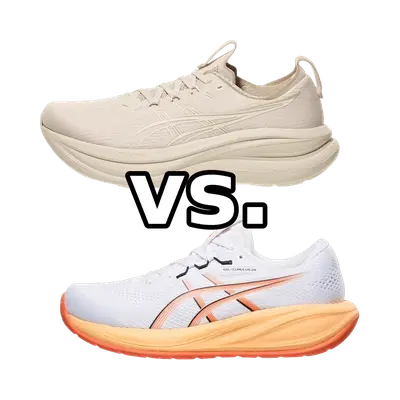
Asics Gel-Nimbus 28 vs Asics Gel-Cumulus 28
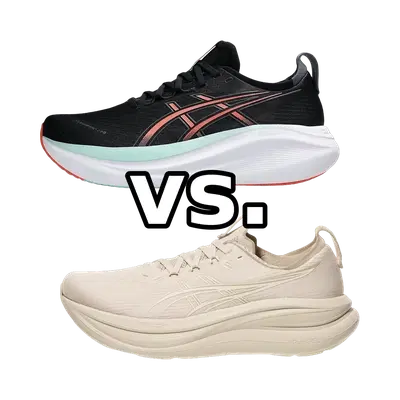
Asics Gel-Nimbus 27 vs Asics Gel-Nimbus 28
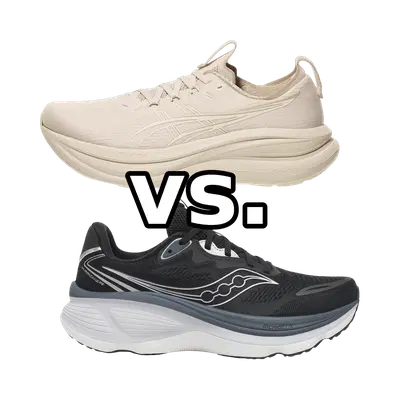
Asics Gel-Nimbus 28 vs Saucony Hurricane 26
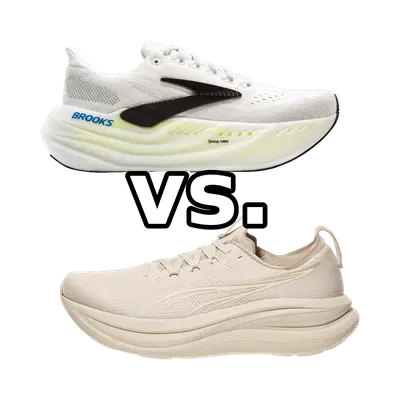
Brooks Glycerin Max vs Asics Gel-Nimbus 28
© 2026 longrunshoes.ai | All rights reserved.
Use of materials from this site is permitted only with proper attribution and a link to longrunshoes.ai.