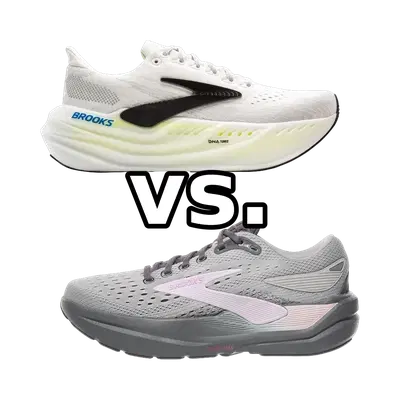
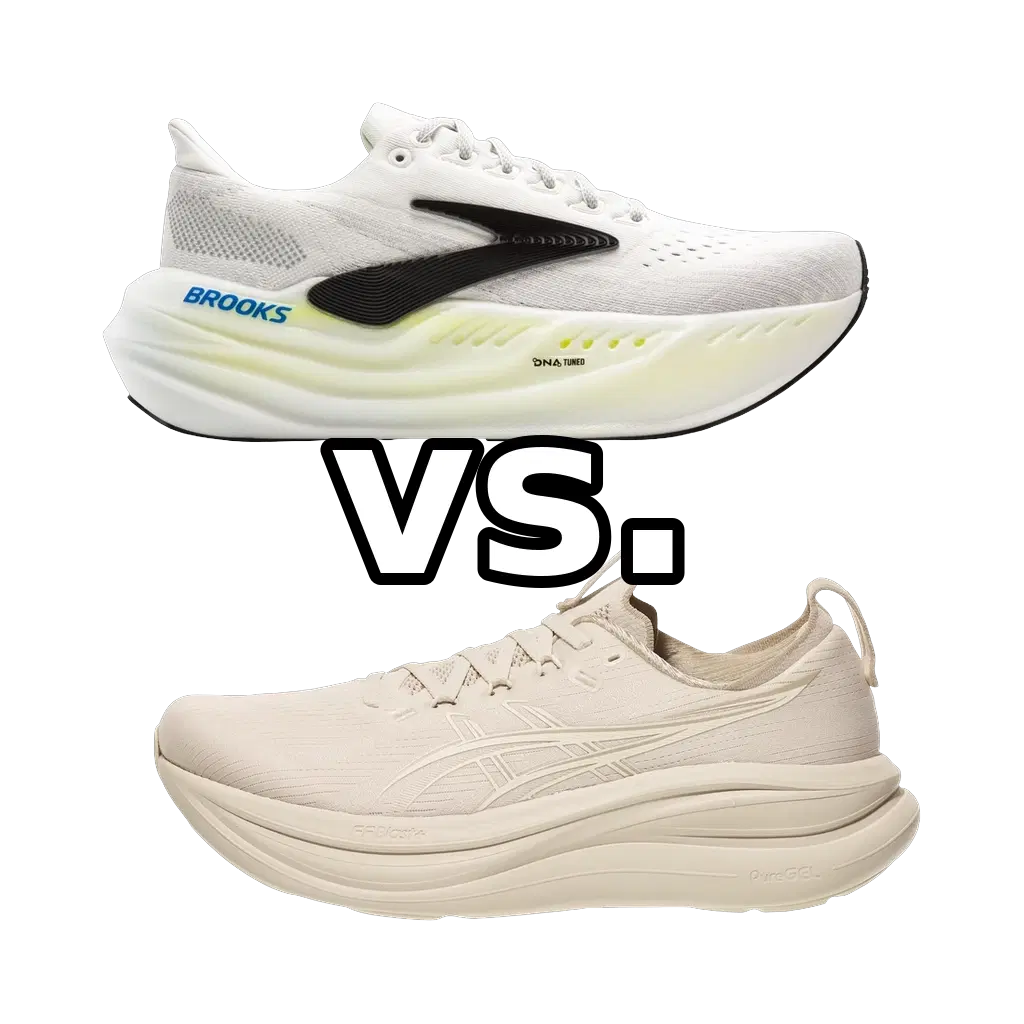
Brooks Glycerin Max vs Asics Gel-Nimbus 28:
Which to Choose
Verdict
This is close enough that purpose decides it. Go Glycerin Max for the longest runs and a slightly taller, bouncier, more propulsive ride; go Gel-Nimbus 28 for a lighter shoe with a calmer, more planted landing that's happiest from 10K to the half. Neither is a speed tool — pick the one whose ride character and typical distance match yours, and you won't be choosing wrong.
Pace
3 of 6
Cushioning
6 of 6
Responsiveness
4 of 6
Stability
5 of 6
Drop
6 mm
Support
Stable Neutral
Plate
None
Distances
HalfMarathon
Pace
3 of 6
Cushioning
6 of 6
Responsiveness
4 of 6
Stability
5 of 6
Drop
6 mm
Support
Stable Neutral
Plate
None
Distances
10KHalf
At a Glance
Brooks Glycerin MaxAsics Gel-Nimbus 28
Who Should Choose Each Shoe
Choose
Brooks Glycerin Max
Choose the Glycerin Max if your long run is the point — marathon-distance training, high-volume weeks, and conversational miles where you want the deepest, most protective platform and a rocker that keeps you rolling once you settle into a rhythm. It's the better pick for runners who don't mind carrying a bit more shoe in exchange for maximum leg protection and a slightly livelier, more propulsive foam, and for beginners building durability on soft, forgiving footing.
Choose
Asics Gel-Nimbus 28
Choose the Gel-Nimbus 28 if you want the same plush protection in a lighter, more maneuverable package and your daily runs live more in the 10K-to-half range than the full marathon. It's the better fit for runners who prefer a calm, planted, cushion-first landing — especially heel strikers, who benefit most from the PureGEL insert — over a springy one, and who value shaving nearly 30g off the foot across steady everyday miles.
Head-to-Head
These shoes agree on almost everything that matters: maximum, nitrogen- or gel-enhanced foam, a wide stable-neutral base that steadies a tall stack without pronation posts, no propulsion plate, and a shared optimal pace band of roughly 5:30–6:30 min/km for easy-to-steady running. Both use a rocker to smooth transitions and both fall apart a little when you push past about 5:15 min/km. The differences are real but a matter of degree. The Glycerin Max rides on a slightly taller platform — about 42mm heel / 36mm forefoot versus the Nimbus 28's 40mm / 34mm — and its DNA Tuned nitrogen foam gives marginally more spring and forward drive through the GlideRoll rocker, so it feels a touch bouncier and more willing on steady efforts. The Nimbus 28, with FF Blast+ and a PureGEL heel insert, is tuned the other way: calmer, more planted, and more forgiving on heel-first landings, with a more muted, protective rebound. Weight is the other clear separator — the Glycerin Max is the heavier shoe at around 305g (men's US9) against the Nimbus 28's 278g, nearly 30g lighter, which the Asics wears as the more nimble of two admittedly substantial trainers. Finally, their intended range tilts differently: the Glycerin Max is happiest stretching into marathon-comfort long runs, while the Nimbus 28 centers on the 10K-to-half window and feels most at home as a half-marathon cruiser.
Similar Comparisons
Hoka Bondi 9 vs Asics Gel-Nimbus 28
Brooks Glycerin Max vs Brooks Glycerin Max 2
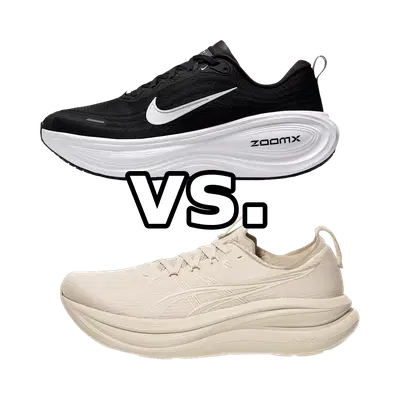
Nike Vomero Plus vs Asics Gel-Nimbus 28

Brooks Glycerin Max vs Brooks Hyperion Max 3
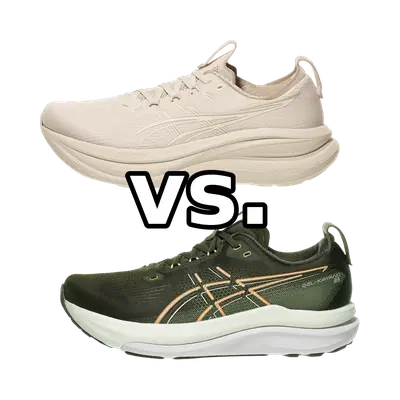
Asics Gel-Nimbus 28 vs Asics Gel-Kayano 33
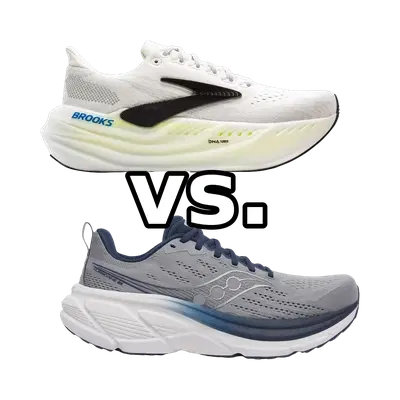
Brooks Glycerin Max vs Saucony Hurricane 25
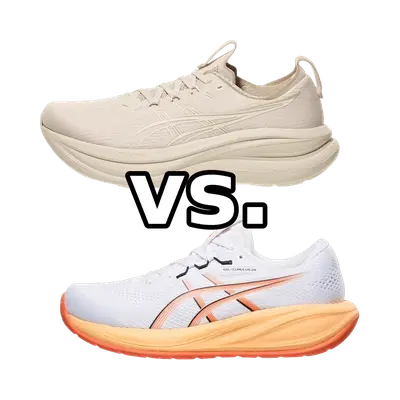
Asics Gel-Nimbus 28 vs Asics Gel-Cumulus 28
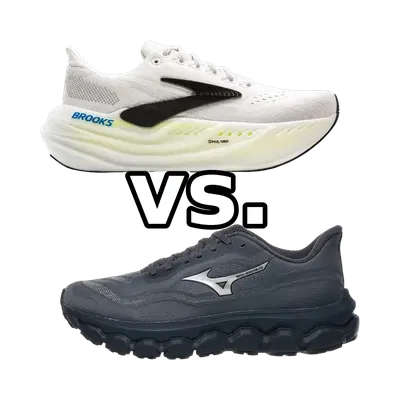
Brooks Glycerin Max vs Mizuno Wave Horizon 9
© 2026 longrunshoes.ai | All rights reserved.
Use of materials from this site is permitted only with proper attribution and a link to longrunshoes.ai.