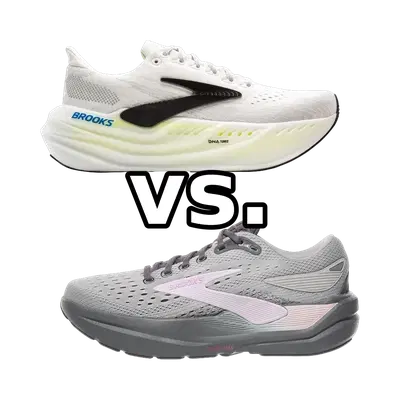
Brooks Glycerin Max vs Brooks Glycerin Max 2:
Which to Choose
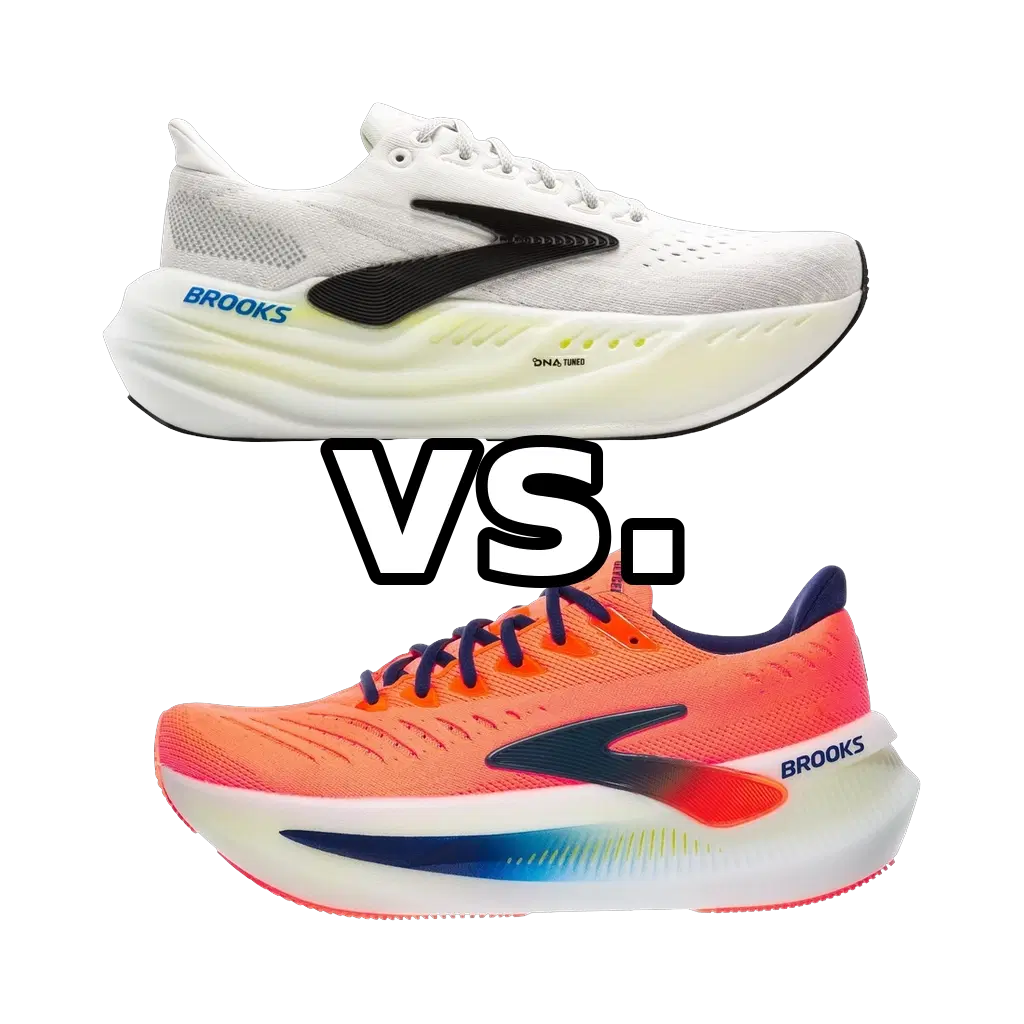
Verdict
This isn't a must-upgrade. Both are plush, plateless, max-cushion cruisers off the same foam and rocker, so the decision comes down to ride character, not generation: pick the Glycerin Max 2 if you want a firmer, more defined forefoot toe-off, a higher-drop rockered feel, and a bit more structure underfoot — pick the original Glycerin Max if you want the softer, more forgiving, more planted ride and you run long, with the marathon in mind. Existing Glycerin Max owners who love the soft, stable long-run feel should feel no pressure to switch; the Max 2 refines the toe-off but doesn't clearly out-run the shoe it replaces.
Pace
3 of 6
Cushioning
6 of 6
Responsiveness
4 of 6
Stability
5 of 6
Drop
6 mm
Support
Stable Neutral
Plate
None
Distances
HalfMarathon
Pace
2 of 6
Cushioning
6 of 6
Responsiveness
4 of 6
Stability
4 of 6
Drop
8 mm
Support
Neutral
Plate
None
Distances
10KHalf
At a Glance
Brooks Glycerin MaxBrooks Glycerin Max 2
Who Should Choose Each Shoe
Choose
Brooks Glycerin Max
Choose the original Glycerin Max if you want the softest, most forgiving version of this platform — the plush, pillowy landing that makes recovery jogs and marathon-comfort long runs feel effortless — and if you value a planted, stable-neutral base that steadies the tall stack. It's the better pick for runners logging genuinely long training miles up to the marathon who prioritize a gentle, uniform softness over a firmer, more structured toe-off. And if you already own it and love how it rides, there's no urgency to replace it: the successor isn't a clear-cut improvement for your use case.
Choose
Brooks Glycerin Max 2
Choose the Glycerin Max 2 if you want a slightly more structured, rockered version of the max-cushion cruiser — the dual-cell setup gives you a plush heel with a firmer forefoot that makes toe-off feel more defined and less mushy, which especially helps heavier runners who tend to bottom out soft foam. Its higher 8mm drop and taller stack suit runners who prefer an easier heel-to-forefoot transition on easy and long days, with 10K and half-marathon efforts as the comfortable ceiling. It's the natural pick if you're buying into the platform fresh and want the current, more refined toe-off rather than the original's uniformly soft tune.
Head-to-Head
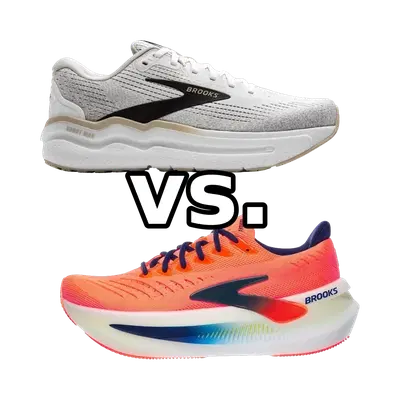
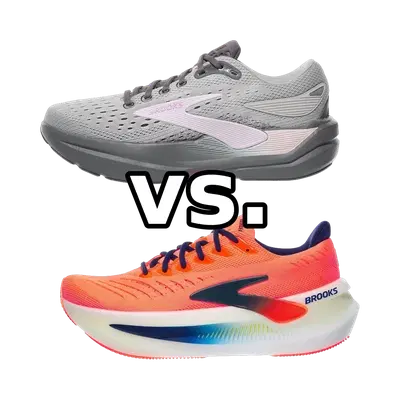
Start with what's identical: both are 6/6 maximum cushion, both use nitrogen-infused DNA Tuned foam, both run plateless with a GlideRoll rocker, both cap out honestly around 5:15–5:30 min/km before the foam goes vague, and both are unabashed comfort tools rather than speed shoes. The changes in the Max 2 are real but incremental. The biggest is the foam layout: the original uses a uniformly soft, pillowy tune that soaks up impact, while the Max 2 goes dual-cell — a plusher heel for soft landings paired with a firmer forefoot that keeps toe-off from feeling mushy. The Max 2 also sits taller and rides higher-drop: roughly 45mm heel / 37mm forefoot at an 8mm measured offset, versus about 42mm heel / 36mm forefoot at 6mm on the original (both are marketed at 6mm). That extra height and a more padded triple jacquard air-mesh upper push weight up too — the Max 2 lands around 318g in a men's US 9, a bit heavier than the original's ~305g, so it feels like the more substantial shoe underfoot. Where it gets interesting is stability and range. On paper you'd expect the successor to be steadier, but the original actually grades as the more planted, stable-neutral shoe (5/6) with a broad base that quietly settles the stack, while the taller Max 2 is a straight neutral ride (4/6) that can feel slightly tippy in quick direction changes. The original is also rated for longer efforts — its sweet spot stretches to the marathon-comfort long run — whereas the Max 2's happy zone lands at 10K to half distances run relaxed. In short: the Max 2 trades a touch of the original's soft, planted, go-long character for a firmer, more defined forefoot push and a more rockered, higher-drop feel.
© 2026 longrunshoes.ai | All rights reserved.
Use of materials from this site is permitted only with proper attribution and a link to longrunshoes.ai.