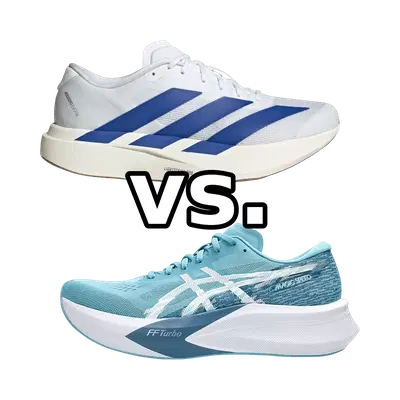
Adidas Adizero Evo SL vs Adidas Adizero Takumi Sen 10:
Which to Choose
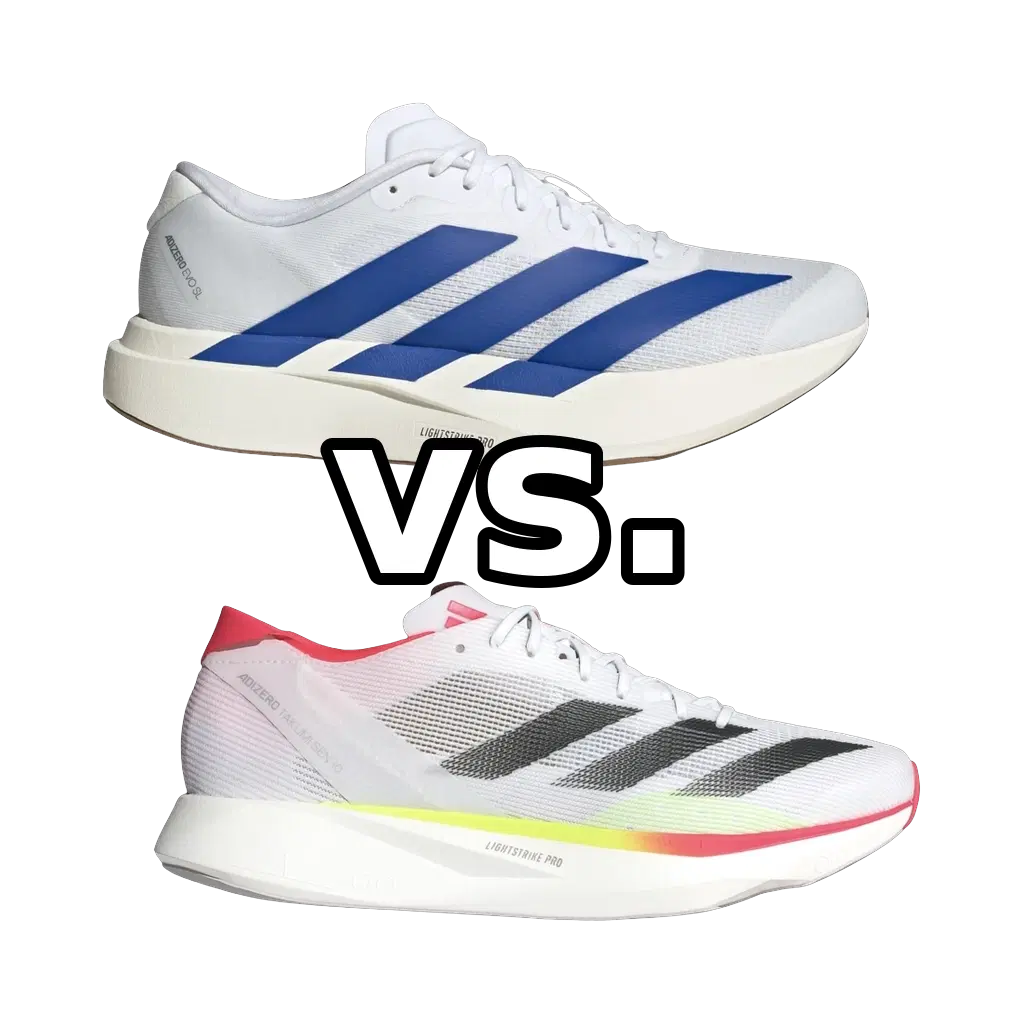
Verdict
It genuinely depends on your pace and how many jobs you need one shoe to do. If you run fast but not elite-fast, want cushioning and versatility, and might race anywhere from 5K to the half, the Evo SL is the smarter buy. If you race 5K/10K at truly quick paces, already own a daily trainer, and want a lightweight carbon-plated weapon for race day, the Takumi Sen 10 is built exactly for that — just don't expect it to double as your everyday shoe.
Pace
5 of 6
Cushioning
5 of 6
Responsiveness
5 of 6
Stability
3 of 6
Drop
6 mm
Support
Neutral
Plate
None
Distances
5K10KHalf
Pace
6 of 6
Cushioning
4 of 6
Responsiveness
6 of 6
Stability
3 of 6
Drop
6 mm
Support
Neutral
Plate
Carbon
Distances
5K10K
At a Glance
Adidas Adizero Evo SLAdidas Adizero Takumi Sen 10
Who Should Choose Each Shoe
Choose
Adidas Adizero Evo SL
Pick the Evo SL if you want a single lively shoe for tempo runs, intervals, and the odd 5K-to-half race without committing to a rigid plate. It suits improving and experienced recreational runners cruising around 4:00–4:30 min/km who value a cushioned, forgiving, bouncy ride and want range rather than a one-trick race shoe. If you'd be asking one shoe to cover most of your fast running — and some longer efforts — this is the more practical of the two.
Choose
Adidas Adizero Takumi Sen 10
Choose the Takumi Sen 10 if you're an experienced, genuinely fast runner chasing 5K and 10K personal bests at quick paces (its sweet spot sits around 3:00–3:30 min/km) and you want a connected, aggressive, plated ride low to the ground. It rewards a snappy forefoot stride and almost forces you to pick up the pace, so it makes most sense as a dedicated race-day shoe alongside a separate daily trainer. If you're a forefoot striker who wants carbon-driven propulsion and minimal weight, this is the sharper tool.
Head-to-Head
Both shoes share a 6mm drop, a neutral platform with only moderate stability (no pronation control), and full-length Lightstrike Pro, so the family resemblance in bounce and energy return is real. The decisive differences are the plate, the stack, and the pace they want. The Evo SL is foam-only — there's no rigid element driving it — so its rebound is soft and rolling, and it sits taller at 39mm heel / 33mm forefoot with a higher cushioning rating (5/6). That extra foam and the lack of a plate make it forgiving enough to log volume and comfortable across a wider pace band (roughly 3:45–4:30 min/km), which is why it stretches comfortably to the half. The Takumi Sen 10 goes the other way: carbon Energy Rods stiffen the platform for maximal, immediate propulsion (6/6 responsiveness vs. the Evo SL's 5/6), and the lower 33mm/27mm stack keeps you close to the ground with sharp ground feel and a planted, forefoot-driven transition. It's the lighter shoe — around 198g in a men's US 9 versus about 224g for the Evo SL — but it carries slightly less cushioning (4/6) and a much thinner, pared-back racing upper, so it feels harsh at easy jogging speeds and starts taxing your legs past 10K. In short: the Evo SL is the softer, taller, more adaptable fast trainer that can race; the Takumi is the firmer, lower, snappier pure racer that demands you run fast to unlock it.
Similar Comparisons
Adidas Adizero Adios Pro 4 vs Adidas Adizero Takumi Sen 10
Adidas Adizero Evo SL vs Nike Structure 26
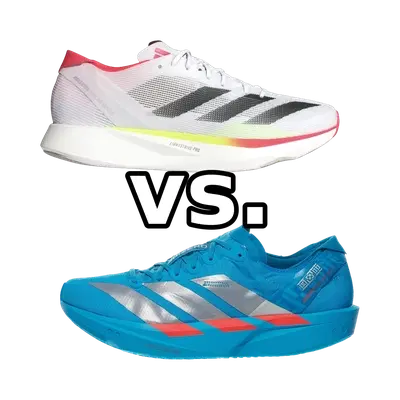
Adidas Adizero Takumi Sen 10 vs Adidas Adizero Takumi Sen 11
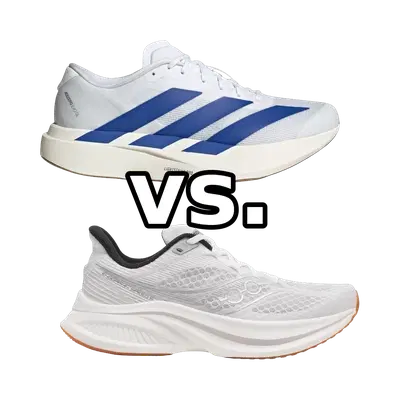
Adidas Adizero Evo SL vs Saucony Endorphin Speed 5
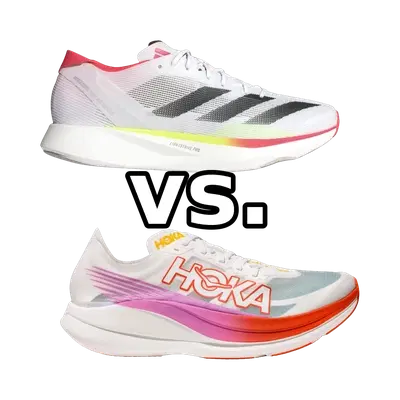
Adidas Adizero Takumi Sen 10 vs Hoka Rocket X 2
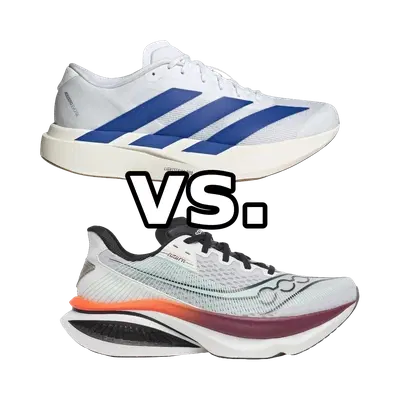
Adidas Adizero Evo SL vs Saucony Endorphin Azura
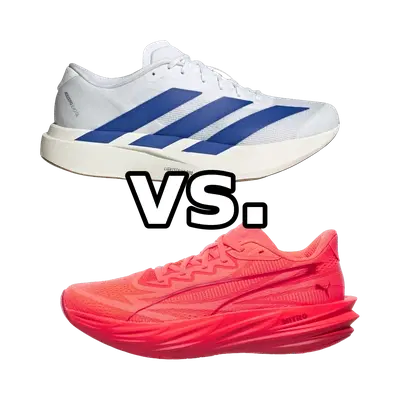
Adidas Adizero Evo SL vs Puma Deviate Pure Nitro
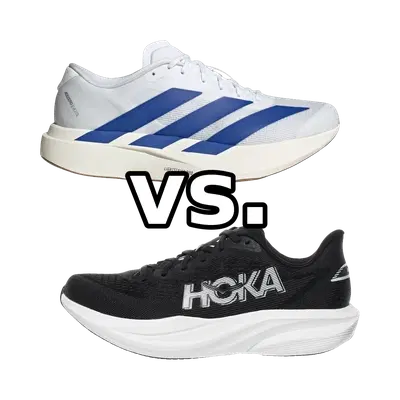
Adidas Adizero Evo SL vs Hoka Mach 7
© 2026 longrunshoes.ai | All rights reserved.
Use of materials from this site is permitted only with proper attribution and a link to longrunshoes.ai.