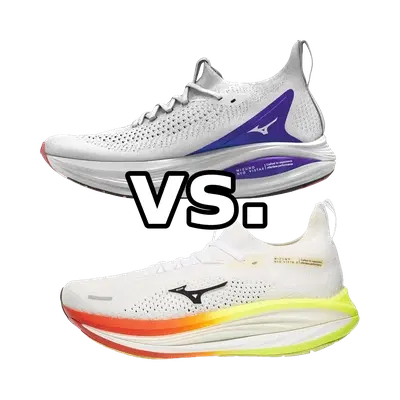
Mizuno Neo Vista 2 vs Mizuno Wave Rebellion Flash 3:
Which to Choose
Verdict
It comes down to pace and distance, not quality — both are well-built composite-plated Mizunos with the same tippy-at-slow-speeds caveat. Go Neo Vista 2 if most of your running is long, steady, and half-to-marathon focused and you value a tall, plush, forgiving platform; go Wave Rebellion Flash 3 if your weeks center on tempo and interval work topping out at the half and you want a lighter, firmer, faster-rolling shoe. If you genuinely split the difference, the Neo Vista's extra cushioning makes it the more versatile single pick, while the Flash is the sharper tool for the runner who already knows they train fast.
Pace
4 of 6
Cushioning
5 of 6
Responsiveness
5 of 6
Stability
3 of 6
Drop
8 mm
Support
Neutral
Plate
Composite
Distances
HalfMarathon
Pace
5 of 6
Cushioning
5 of 6
Responsiveness
5 of 6
Stability
3 of 6
Drop
7 mm
Support
Neutral
Plate
Composite
Distances
10KHalf
At a Glance
Mizuno Neo Vista 2Mizuno Wave Rebellion Flash 3
Who Should Choose Each Shoe
Choose
Mizuno Neo Vista 2
Pick the Neo Vista 2 if you're an intermediate runner training for a half or full marathon and you want one plush shoe to cover comfortable daily miles that occasionally stretch into uptempo work. Its taller 45 mm PEBA platform and slightly higher weight make it the better choice for long steady efforts and marathon-pace runs where protection over distance matters more than top-end snap. It's also the friendlier option if you simply prefer a soft, forgiving ride underfoot over a firm, racy one.
Choose
Mizuno Wave Rebellion Flash 3
Choose the Wave Rebellion Flash 3 if you're an intermediate-to-experienced midfoot or forefoot striker who wants one pair for tempo runs, intervals and the occasional 10K or half-marathon race day. It's the lighter, lower, firmer shoe, and its aggressive rockered heel geometry rewards a purposeful, forward-leaning effort in the faster 3:45–4:15 min/km range — exactly where the Neo Vista starts to feel like more shoe than you need. Just go in expecting a snug, slightly warm fit and a ride that's built to be pushed, not jogged.
Head-to-Head
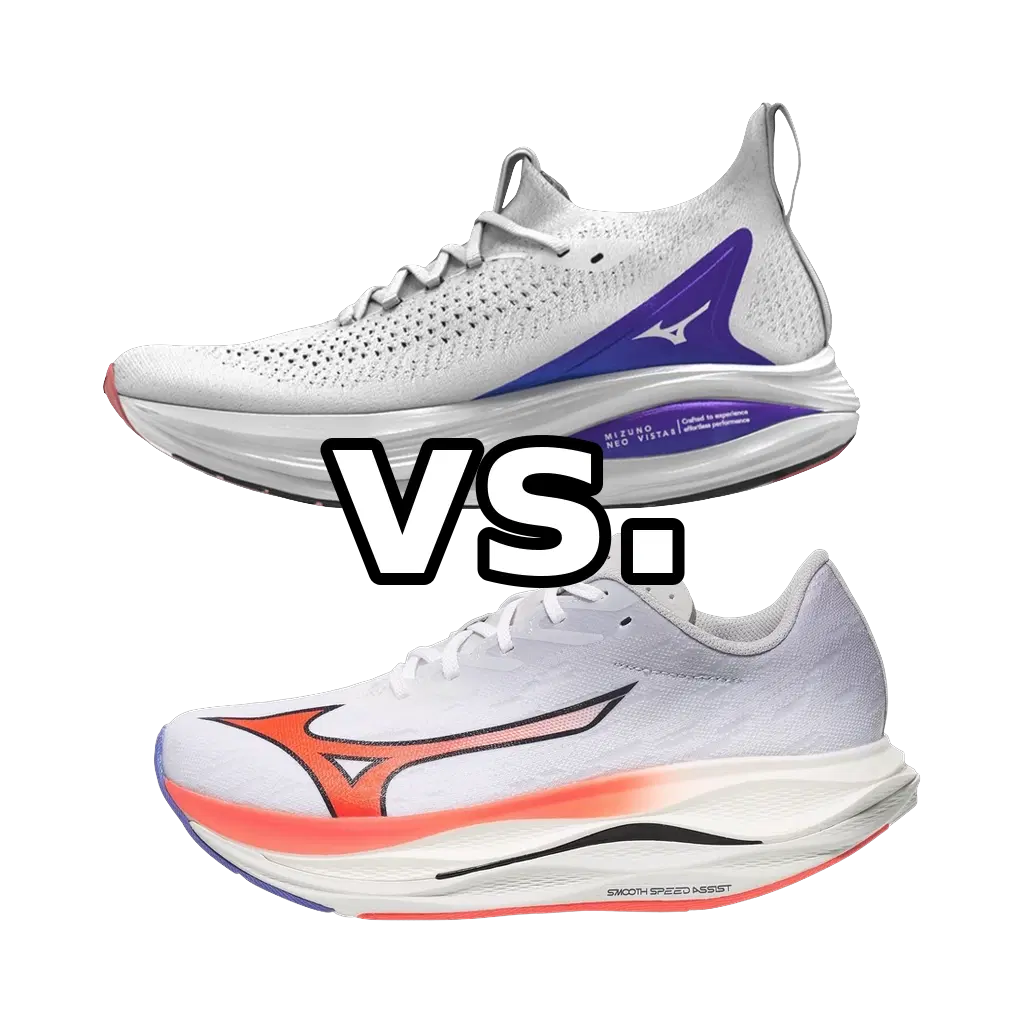
Start with the platforms, because that's where they genuinely diverge. The Neo Vista 2 is the taller, more cushioned of the two at 45 mm heel / 37 mm forefoot, versus 40 mm / 33 mm for the Flash 3 — and it's the heavier shoe as well, around 267 g to the Flash 3's 244 g in a men's US 9. Drop is effectively a wash: 8 mm on the Neo Vista, 7 mm on the Flash, both moderate slopes that keep you balanced without forcing a forefoot strike. The foams tell the rest of the story. The Neo Vista's PEBA-based midsole is the plusher, livelier, more forgiving ride — it swallows long-run pounding and still springs back — while the Flash layers a springy Enerzy XP (TPEE) top over an Enerzy NXT (EVA) base for a firmer, more protective-than-plush feel that's built to snap at speed. Both run neutral with a medium stability rating (3/6), and both admit the same quirk: a tall stack on a rockered geometry feels slightly tippy at jogging pace and wants a committed stride to settle. Where they part ways is tempo and purpose. The Flash 3's aggressive rockered heel bevel almost tips you into the next stride once you press, and it's happiest in the 3:45–4:15 min/km zone over 10K and the half. The Neo Vista's full-length wave plate rewards a committed midfoot strike but comes alive a notch slower, in the 4:15–4:45 range, with its sweet spot on steady long efforts and marathon-pace work. On the upper, the Neo Vista's engineered mesh is tuned for breathable long-distance comfort, while the Flash's double-layered mesh holds the foot more securely but runs a touch warm.
Similar Comparisons
Mizuno Wave Rebellion Flash 2 vs Mizuno Wave Rebellion Flash 3
Mizuno Neo Vista 2 vs Mizuno Wave Sky 9
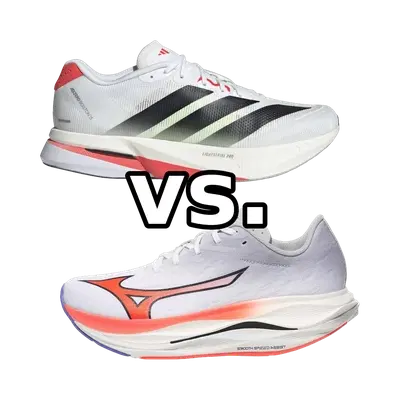
Adidas Adizero Boston 13 vs Mizuno Wave Rebellion Flash 3
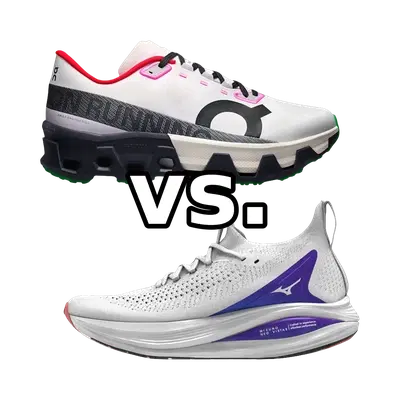
On Cloudmonster Hyper vs Mizuno Neo Vista 2
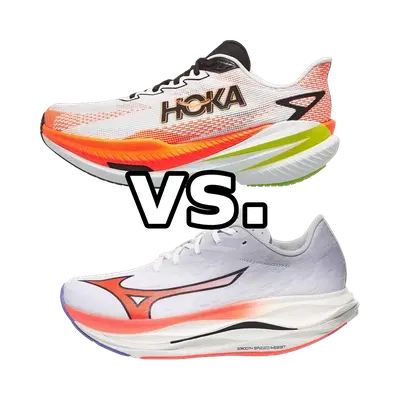
Hoka Mach X 3 vs Mizuno Wave Rebellion Flash 3
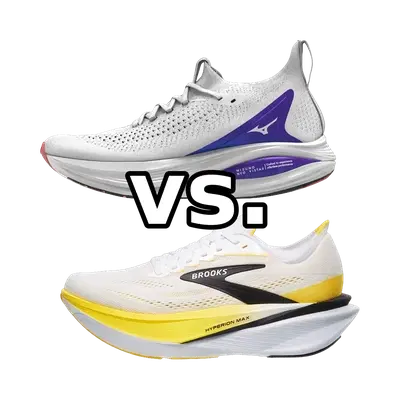
Mizuno Neo Vista 2 vs Brooks Hyperion Max 4
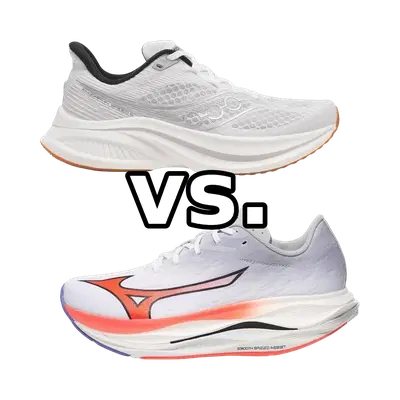
Saucony Endorphin Speed 5 vs Mizuno Wave Rebellion Flash 3
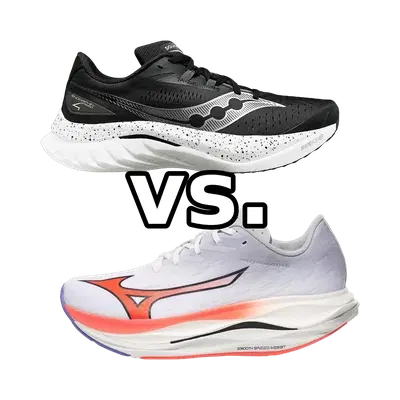
Saucony Endorphin Speed 4 vs Mizuno Wave Rebellion Flash 3
© 2026 longrunshoes.ai | All rights reserved.
Use of materials from this site is permitted only with proper attribution and a link to longrunshoes.ai.