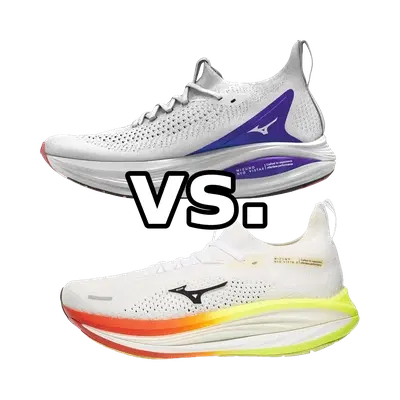
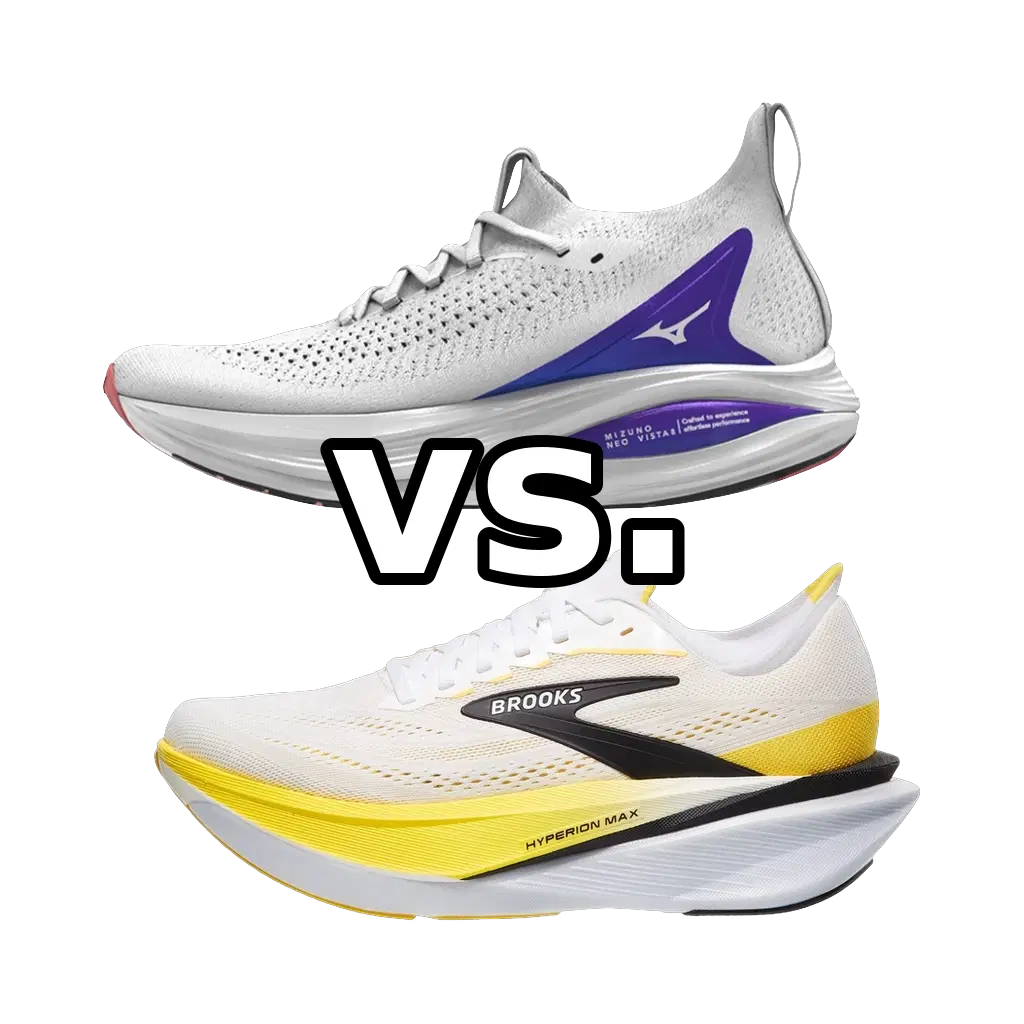
Mizuno Neo Vista 2 vs Brooks Hyperion Max 4:
Which to Choose
Verdict
These are genuine twins in purpose, so the right call is about ride character, not category. Go Neo Vista 2 for the softer, springier, lighter ride with a lower 8mm drop and all-week comfort; go Hyperion Max 4 for the firmer, more purposeful dual-density feel, a higher 10mm drop, and a shoe tuned for tempo and goal-pace racing — accepting that it's the heavier of the two. If you want plush and lively, pick the Mizuno; if you want structured and workmanlike, pick the Brooks.
Pace
4 of 6
Cushioning
5 of 6
Responsiveness
5 of 6
Stability
3 of 6
Drop
8 mm
Support
Neutral
Plate
Composite
Distances
HalfMarathon
Pace
4 of 6
Cushioning
5 of 6
Responsiveness
5 of 6
Stability
3 of 6
Drop
10 mm
Support
Neutral
Plate
Composite
Distances
HalfMarathon
At a Glance
Mizuno Neo Vista 2Brooks Hyperion Max 4
Who Should Choose Each Shoe
Choose
Mizuno Neo Vista 2
Choose the Neo Vista 2 if you want the softer, livelier, more forgiving ride of the two and value a lighter shoe that stays comfortable across a full training week. Its lower 8mm drop and single springy PEBA foam suit midfoot strikers who like a smooth rolling transition and want one plush platform that can stretch from easy long runs into steady uptempo work. It's the better pick for the recreational-to-intermediate runner chasing a first half or marathon who prioritizes long-run comfort over a firm, worked ride.
Choose
Brooks Hyperion Max 4
Choose the Hyperion Max 4 if you prefer a firmer, more purposeful feel that rewards effort rather than cushioning you into cruise mode, and if a higher 10mm drop suits your calves and Achilles. Its dual-density PEBA-over-EVA setup and forked nylon plate shine in tempo sessions, progression runs, and marathons finished around goal pace, so it fits the intermediate-to-experienced runner who wants a true workout-and-race-day shoe. You should be comfortable with the extra weight, since at easy paces it feels like more shoe than the lighter Mizuno.
Head-to-Head
On paper these two are nearly twins — both score the same for pace, cushioning, responsiveness, and stability, both are neutral, both use a PEBA-based midsole with a composite plate, and both call the half and marathon home with the same roughly 4:15–4:45 min/km ceiling before a lighter racer makes more sense. The real separation is in construction and feel. The Neo Vista 2 runs a single PEBA-based foam with a full-length Pebax wave plate, giving a soft-but-springy, ground-hugging ride that rolls smoothly through the transition and rewards a committed midfoot strike. The Hyperion Max 4 instead stacks plush PEBA (DNA Gold) over a firmer EVA base (DNA Flash v2) and splits them with a forked nylon SpeedVault plate — the result is a more purposeful, dual-density feel that firms up and demands effort as you push, with a gentle rocker rather than a snappy pop. Drop is a concrete difference: the Mizuno sits at 8mm while the Brooks runs a higher 10mm offset, so the Hyperion carries a touch more heel bias that eases strain on the calves and Achilles, whereas the Neo Vista's lower drop sits a little flatter underfoot. Weight favors the Mizuno — the Hyperion Max 4 is the heavier shoe at about 292g (men's US9), and that heft is noticeable when you slow down, while the Neo Vista 2 is the lighter of the pair. Both ride tall and plush, both can feel like a lot of shoe at slow jogging paces, and both wrap the foot in a long-distance-tuned upper — breathable engineered mesh on the Mizuno, a secure warp-knit on the Brooks.
Similar Comparisons
Brooks Hyperion Max 3 vs Brooks Hyperion Max 4
Mizuno Neo Vista 2 vs Mizuno Wave Sky 9
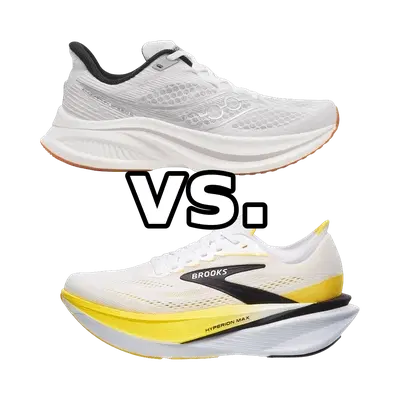
Saucony Endorphin Speed 5 vs Brooks Hyperion Max 4
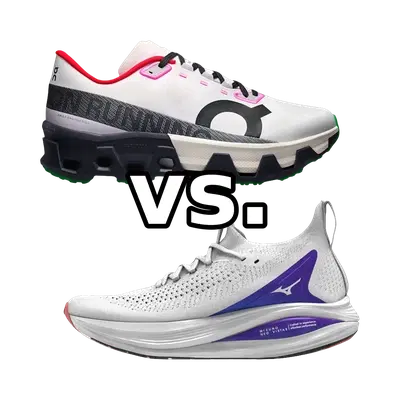
On Cloudmonster Hyper vs Mizuno Neo Vista 2
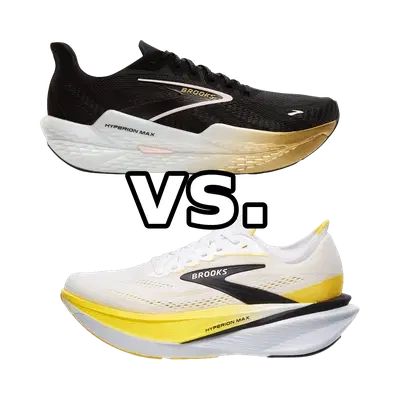
Brooks Hyperion Max 2 vs Brooks Hyperion Max 4
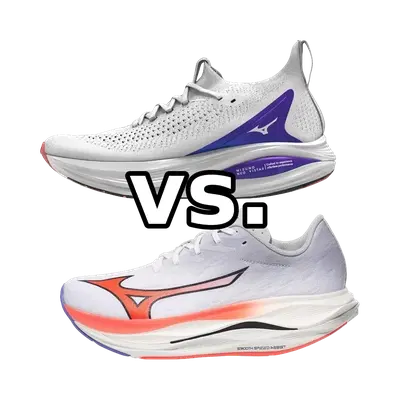
Mizuno Neo Vista 2 vs Mizuno Wave Rebellion Flash 3
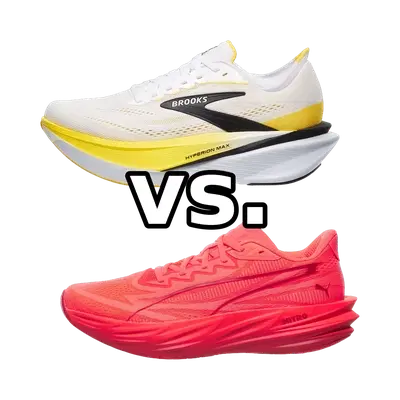
Brooks Hyperion Max 4 vs Puma Deviate Pure Nitro
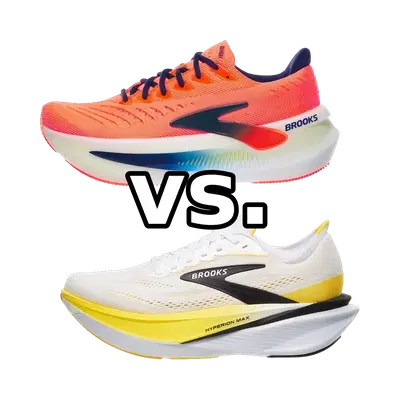
Brooks Glycerin Max 2 vs Brooks Hyperion Max 4
© 2026 longrunshoes.ai | All rights reserved.
Use of materials from this site is permitted only with proper attribution and a link to longrunshoes.ai.