Hoka Bondi 9 vs Hoka Skyflow:
Which to Choose
Verdict
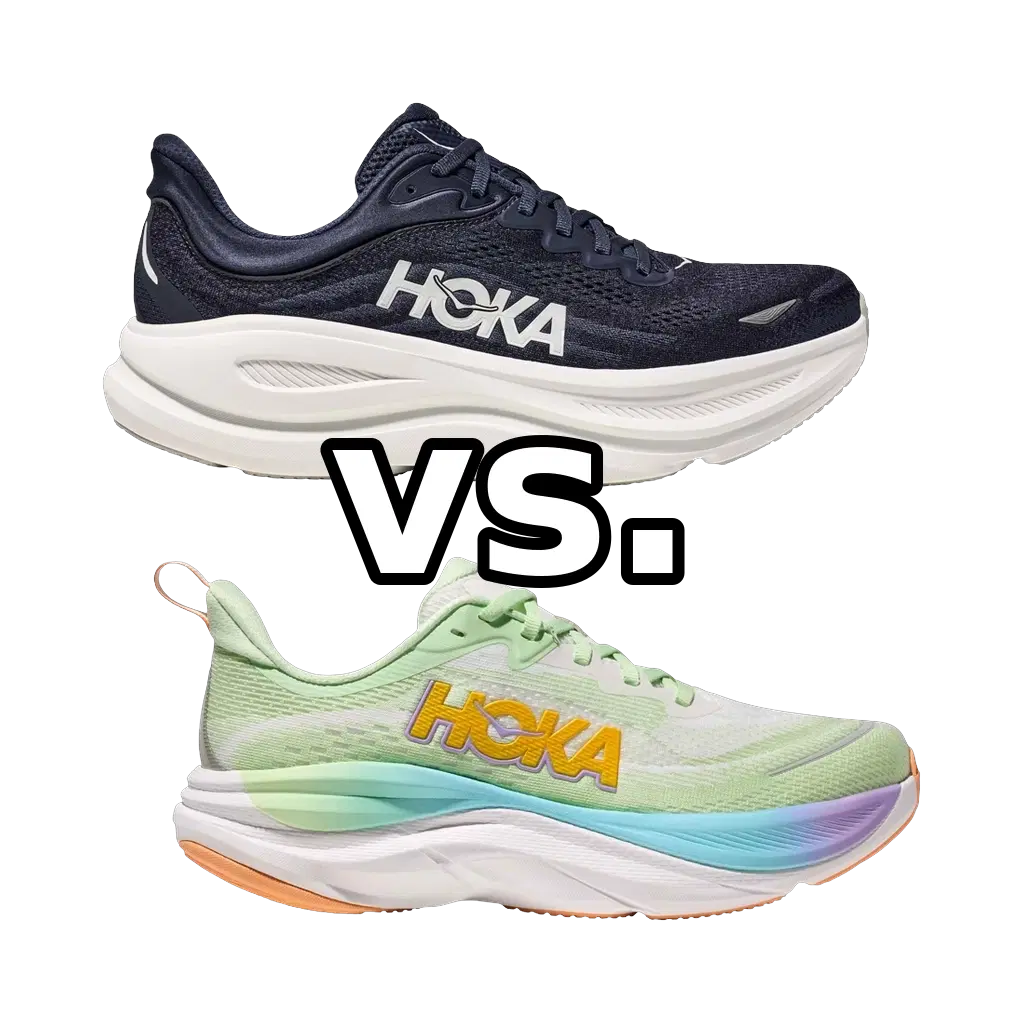
These are close cousins, so it comes down to priority: pick the Bondi 9 if your top goal is the softest, most protective landing for easy and recovery miles, and pick the Skyflow if you want a lighter, more responsive, more versatile daily trainer that covers everything from short runs to the marathon. For most runners wanting a single do-it-all cushioned shoe, the Skyflow is the more flexible answer; the Bondi 9 wins when plush, impact-soaking comfort outranks everything else.
Pace
2 of 6
Cushioning
6 of 6
Responsiveness
3 of 6
Stability
5 of 6
Drop
5 mm
Support
Stable Neutral
Plate
None
Distances
10KHalf
Pace
3 of 6
Cushioning
5 of 6
Responsiveness
4 of 6
Stability
5 of 6
Drop
5 mm
Support
Stable Neutral
Plate
None
Distances
10KHalfMarathon
At a Glance
Hoka Bondi 9Hoka Skyflow
Who Should Choose Each Shoe
Choose
Hoka Bondi 9
Choose the Bondi 9 if maximum protection underfoot is the whole point — you're a beginner building volume, a heavier runner who wants the most forgiving landing possible, or an experienced runner who wants a dedicated recovery and long-slow-distance shoe where comfort matters far more than responsiveness. It's the better pick if your legs want to be coddled on easy days and you have no intention of running anything faster than a conversational pace in it.
Choose
Hoka Skyflow
Choose the Skyflow if you want one cushioned shoe to cover the bulk of your week — daily miles, steady runs, and long efforts up through the marathon — and you'd rather have a slightly lighter, livelier ride than the absolute deepest cushioning. It suits the neutral runner who values comfort and stability but still wants a gentle push and a little more pace range, and it's the smarter single-shoe choice if you don't want to own a separate trainer for your longer or marginally quicker runs.
Head-to-Head
On paper these two are close relatives: both run a 5mm drop, both use a supercritical EVA midsole with no plate, both lean on Hoka's wide, framed geometry and rockered roll for a planted, stable-neutral ride, and both score a 5/6 for stability. The differences are real but a matter of degree. The Bondi 9 is the taller, softer, more protective of the pair — it carries a 42mm heel / 37mm forefoot stack and weighs about 10.5 oz (men's), and its foam is tuned to swallow impact rather than give it back, which is why it rates 6/6 cushioning but only 3/6 responsiveness and feels muted and heavy the moment you try to push. The Skyflow sits a little lower at 40mm heel / 35mm forefoot and comes in lighter at about 10 oz, and that lower, lighter build is what lets it feel livelier: 5/6 cushioning with a more useful 4/6 responsiveness, a pleasant rebound as you roll forward rather than a dead landing. That gap shows up in pace and range. The Bondi 9 is happiest at relaxed efforts and starts to drag past roughly 5:30 min/km, and it's best kept to easy 10K and half-distance long runs. The Skyflow holds together down to about 5:00 min/km, stretches its sweet spot across 10K, half and full marathon, and makes a more credible everyday do-everything trainer. Neither is a tempo shoe or racer — if you want snap, both will frustrate you — but between them the Bondi is the recovery-and-long-slow specialist and the Skyflow is the more rounded daily miles option.
Similar Comparisons
Hoka Skyflow vs Saucony Hurricane 26
Hoka Bondi 9 vs Asics Gel-Nimbus 28
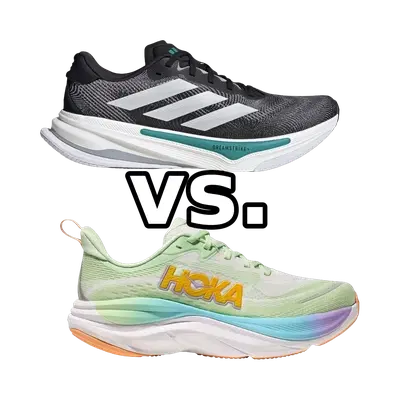
Adidas Supernova Prima 2 vs Hoka Skyflow
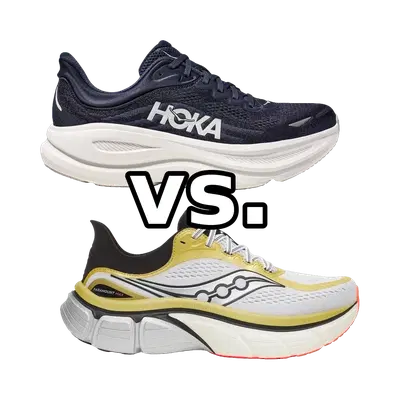
Hoka Bondi 9 vs Saucony Paramount Max
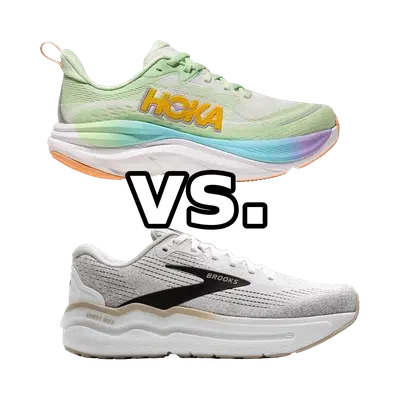
Hoka Skyflow vs Brooks Ghost Max 2
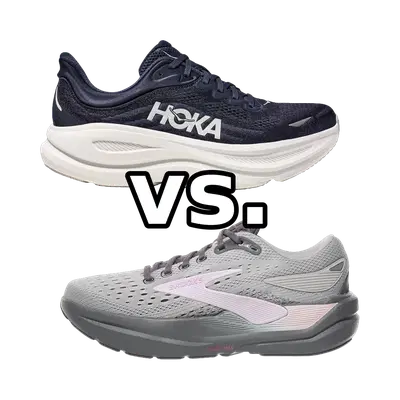
Hoka Bondi 9 vs Brooks Ghost Max 3
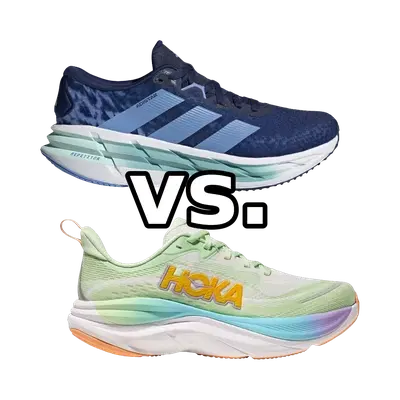
Adidas Adistar 4 vs Hoka Skyflow
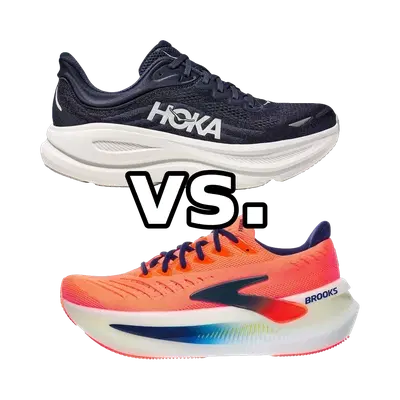
Hoka Bondi 9 vs Brooks Glycerin Max 2
© 2026 longrunshoes.ai | All rights reserved.
Use of materials from this site is permitted only with proper attribution and a link to longrunshoes.ai.