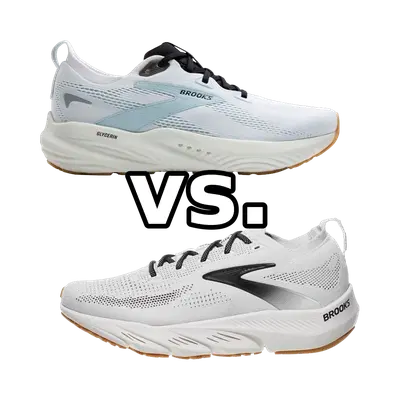
Brooks Glycerin Flex vs Brooks Adrenaline GTS 25:
Which to Choose
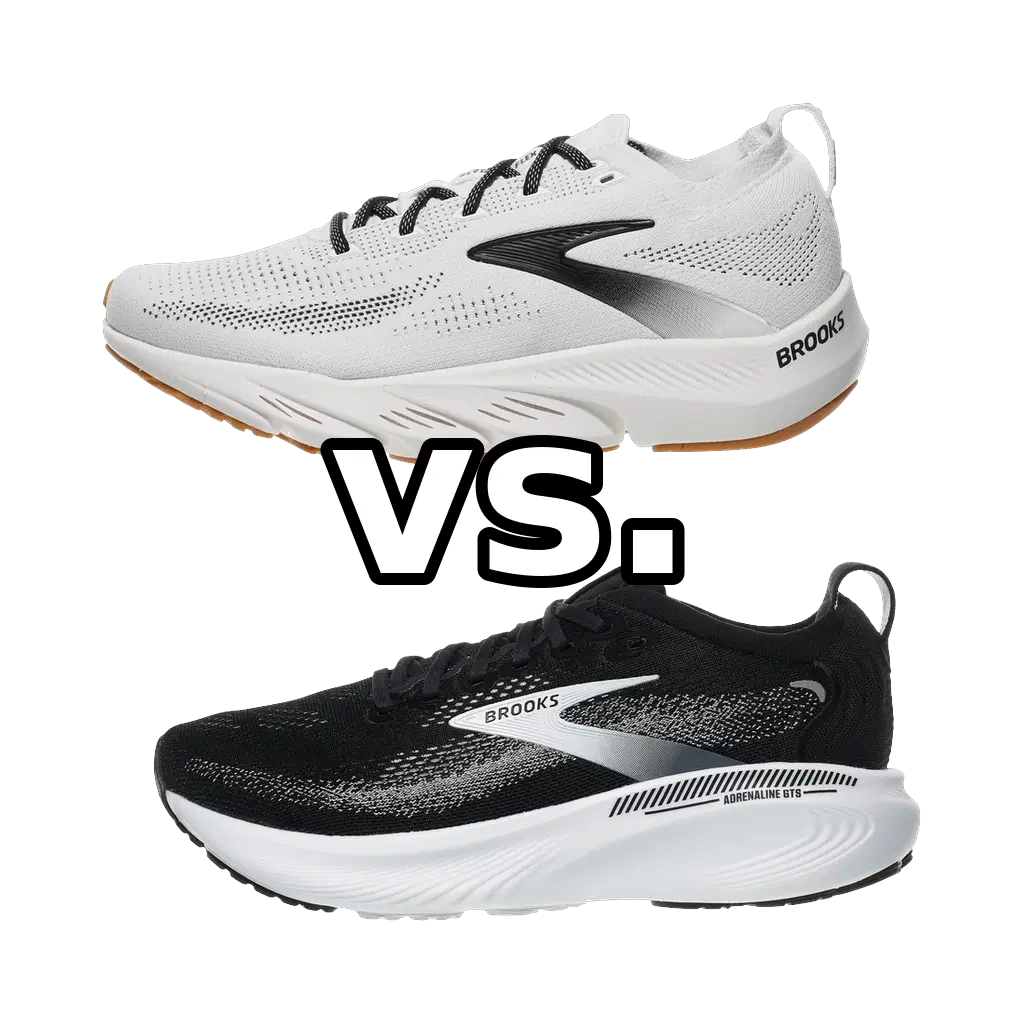
Verdict
These are closely matched daily trainers that cushion and pace almost identically, so the choice hinges on your gait and your distance goals, not on how soft each one feels. If you run neutral and want a lighter, more flexible shoe for easy miles through the half, take the Glycerin Flex; if you overpronate or want a more planted, supportive workhorse that stretches to the marathon, take the Adrenaline GTS 25. In short: neutral and flexible versus supported and planted — let your stride decide.
Pace
3 of 6
Cushioning
4 of 6
Responsiveness
3 of 6
Stability
3 of 6
Drop
9 mm
Support
Neutral
Plate
None
Distances
10KHalf
Pace
3 of 6
Cushioning
4 of 6
Responsiveness
3 of 6
Stability
5 of 6
Drop
10 mm
Support
Stability
Plate
None
Distances
10KHalfMarathon
At a Glance
Brooks Glycerin FlexBrooks Adrenaline GTS 25
Who Should Choose Each Shoe
Choose
Brooks Glycerin Flex
Choose the Glycerin Flex if you have a neutral gait and want a soft, flexible cruiser for easy and everyday miles up to the half marathon, without any pronation control getting in the way. It's the lighter, more natural-flexing of the two, so it suits recreational runners building steady weekly volume who value a forgiving, easygoing transition over structure. If you don't need support and prefer a shoe that bends and moves with your foot, this is the one.
Choose
Brooks Adrenaline GTS 25
Choose the Adrenaline GTS 25 if your ankles roll inward and you want dependable, non-intrusive support for daily training and longer races. Its GuideRails keep your stride honest as you tire, and its planted, firmer ride and marathon-capable range make it the better pick for heel strikers logging controlled long runs and building toward 26.2. Accept the extra weight as the cost of that stability — it feels sturdy rather than quick, which is exactly its intent.
Head-to-Head
On paper these two sit remarkably close: nearly identical stacks (35 mm heel / 26 mm forefoot on the Glycerin Flex versus 36 mm / 26 mm on the Adrenaline GTS 25), similar offsets (about 9 mm versus 10 mm), the same moderate-to-generous cushioning rating, and neither uses a propulsion plate. Both are tuned for the same 5:30–6:30 min/km conversational zone and feel damped rather than springy when you press the pace. The differences that actually matter are three. First, support: the Glycerin Flex is a true neutral shoe with a broad, flexible platform and no pronation control, whereas the Adrenaline GTS 25 wraps GuideRails around the heel to quietly keep an inward-rolling stride tracking straight — a feature that becomes most noticeable as you fatigue late in a run. Second, ride character: the Glycerin's nitrogen-infused DNA Tuned foam and deep flex grooves make it feel soft, bendy and forgiving underfoot, while the Adrenaline's full-length DNA Loft v3 reads as firmer, planted and more stable than pillowy. Third, weight and range: the Glycerin Flex is the lighter and nimbler of the two at about 264 g (men's US 9) and is happiest out to the half marathon, while the Adrenaline GTS 25 is noticeably sturdier at 295 g — roughly 30 g more — a trade for its support structure, but it also holds up through full marathon distance at a controlled effort.
Similar Comparisons
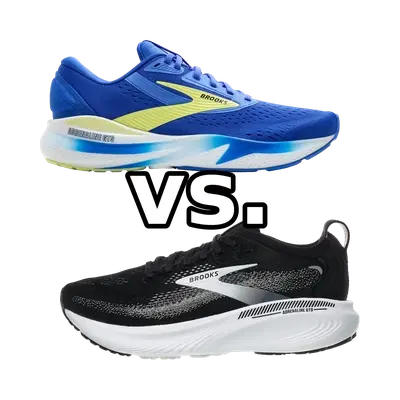
Brooks Adrenaline GTS 24 vs Brooks Adrenaline GTS 25
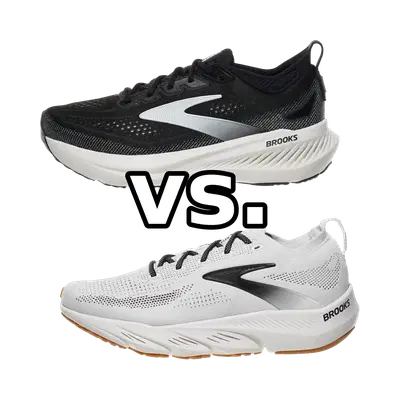
Brooks Glycerin 23 vs Brooks Glycerin Flex
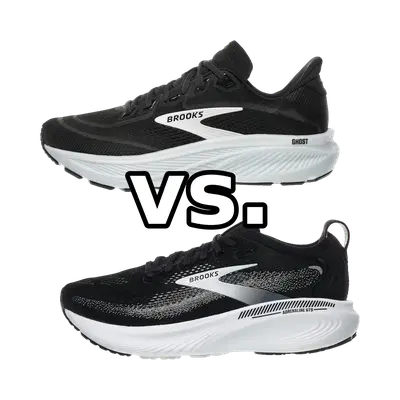
Brooks Ghost 18 vs Brooks Adrenaline GTS 25
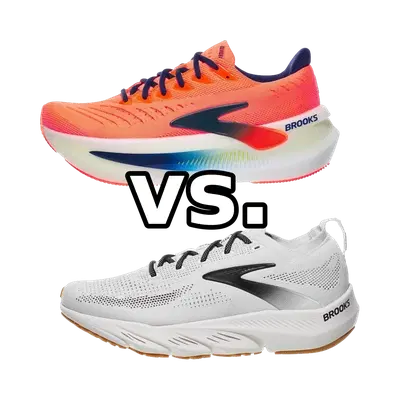
Brooks Glycerin Max 2 vs Brooks Glycerin Flex
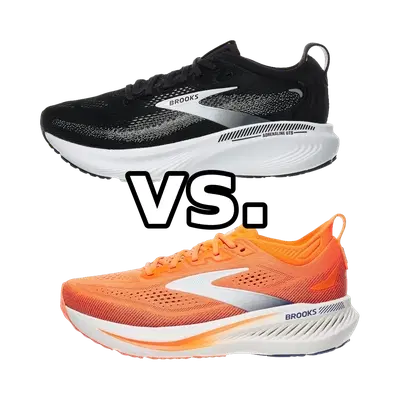
Brooks Adrenaline GTS 25 vs Brooks Glycerin GTS 23
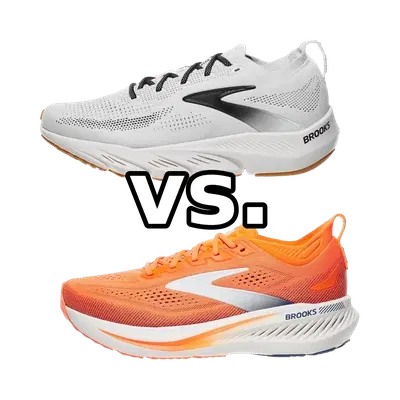
Brooks Glycerin Flex vs Brooks Glycerin GTS 23
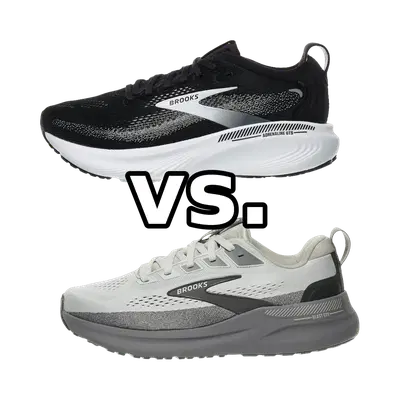
Brooks Adrenaline GTS 25 vs Brooks Beast GTS 26
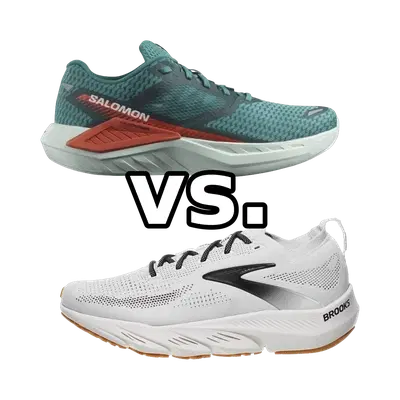
Salomon DRX Defy vs Brooks Glycerin Flex
© 2026 longrunshoes.ai | All rights reserved.
Use of materials from this site is permitted only with proper attribution and a link to longrunshoes.ai.