
Brooks Ghost 17 vs Brooks Launch 11:
Which to Choose
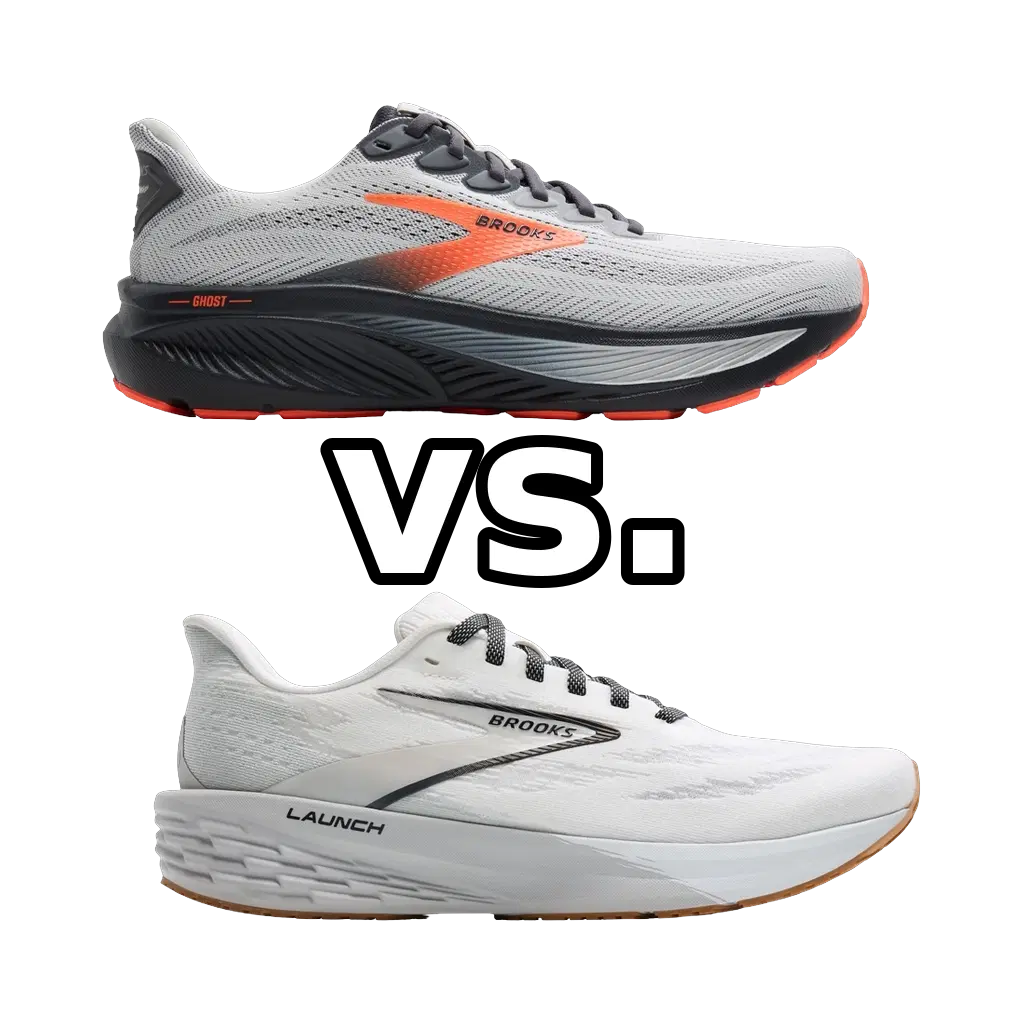
Verdict
It genuinely depends — but on one thing: how fast you run most of the time. If the bulk of your week is easy, long, and marathon-oriented and you want maximum cushioned comfort, the Ghost 17 is the pick. If you want a lighter, snappier do-it-all trainer that thrives at tempo and tops out around the half, the Launch 11 wins. Pick comfort and mileage, choose the Ghost; pick versatility and pace, choose the Launch.
Pace
3 of 6
Cushioning
4 of 6
Responsiveness
3 of 6
Stability
4 of 6
Drop
10 mm
Support
Neutral
Plate
None
Distances
10KHalfMarathon
Pace
4 of 6
Cushioning
3 of 6
Responsiveness
3 of 6
Stability
4 of 6
Drop
8 mm
Support
Neutral
Plate
None
Distances
5K10KHalf
At a Glance
Brooks Ghost 17Brooks Launch 11
Who Should Choose Each Shoe
Choose
Brooks Ghost 17
Choose the Ghost 17 if your weekly running is mostly easy and steady miles and you prioritize cushioned comfort over speed — base-building beginners and experienced runners logging long, relaxed efforts both fit here. It's the better pick if you're a heel striker who appreciates the higher 10mm drop and Achilles relief, or if you're training up toward a marathon and want one dependable, plush shoe to absorb the volume. Go Ghost if "comfortable and predictable" matters more to you than "light and lively."
Choose
Brooks Launch 11
Choose the Launch 11 if you want one lightweight neutral trainer that can handle easy days but genuinely enjoys picking up the pace — fast daily runs, strides, and 10K-to-half tempo work are where it belongs. It suits runners with a neutral gait who like a firmer, more connected ride and want snap underfoot without stepping up to a plated racer. If your mileage skews shorter and faster, or you simply prefer a shoe that feels quick on your foot, the 52g you save over the Ghost is worth it.
Head-to-Head
The clearest split is weight and intent. The Ghost 17 weighs 289g in a men's US 9, the Launch 11 just 237g — a 52g gap you feel the moment you speed up. The Ghost backs that up with more foam underfoot (36.5mm heel / 26.5mm forefoot) and a taller 10mm drop, using soft, smooth nitrogen-injected DNA Loft v3 for a rolling, dependable ride with medium energy return — cushioned but not springy. The Launch sits slightly lower and flatter (35mm heel / 27mm forefoot, 8mm drop) on DNA Flash supercritical foam, which is lighter, firmer, and distinctly snappier; it rewards a midfoot-to-forefoot roll and wakes up as the pace drops rather than cradling you on slow jogs. Neither shoe has a plate, and both share the same wide, neutral, stable-feeling platform with no pronation posting (stability 4/6 each), so neither is a corrective shoe. Where they really diverge is the pace window: the Ghost is happiest around 5:00–6:00 min/km and starts to feel like work past roughly 4:45 min/km, while the Launch's sweet spot is faster — 4:30–5:15 min/km, with its snap at its best around 4:15–4:45 min/km. That maps directly to distance: the Ghost genuinely excels from 10K through the half and full marathon with long easy runs as its home turf, whereas the Launch shines at 5K to half-marathon tempo efforts and can feel a touch firm and businesslike at truly easy paces. Both use breathable mesh uppers and share Brooks' hard-wearing, no-nonsense build quality.
Similar Comparisons

Brooks Launch 11 vs Brooks Launch 12
Brooks Ghost 17 vs Brooks Ghost 18
Brooks Revel 7 vs Brooks Launch 11
Brooks Ghost 17 vs Brooks Ghost AMP

Brooks Ghost 17 vs Brooks Hyperion Elite 5
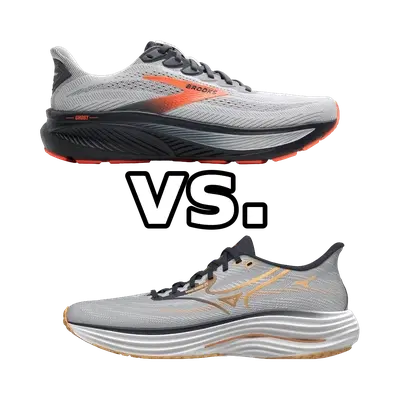
Brooks Ghost 17 vs Mizuno Wave Rider 29
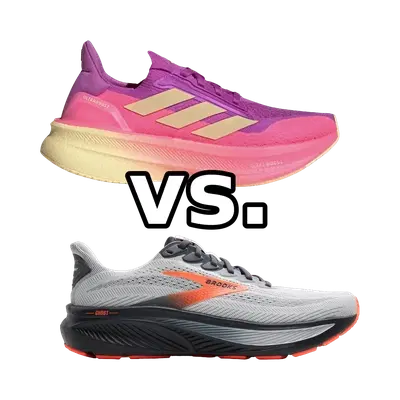
Adidas Ultraboost 5X vs Brooks Ghost 17
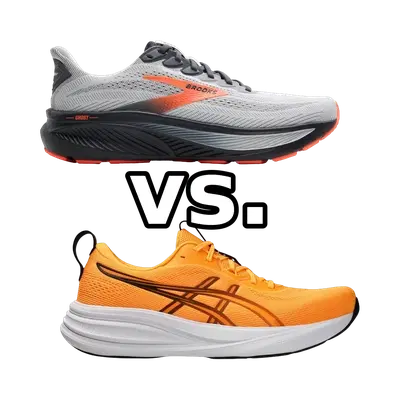
Brooks Ghost 17 vs Asics Gel-Pulse 17
© 2026 longrunshoes.ai | All rights reserved.
Use of materials from this site is permitted only with proper attribution and a link to longrunshoes.ai.