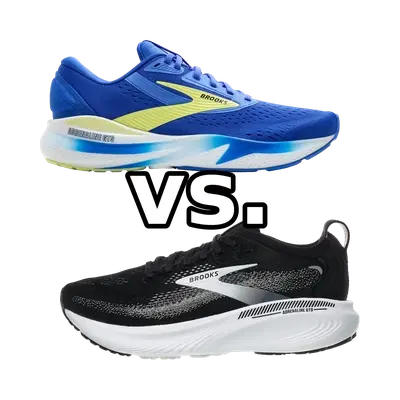
Brooks Adrenaline GTS 25 vs Hoka Arahi 8:
Which to Choose
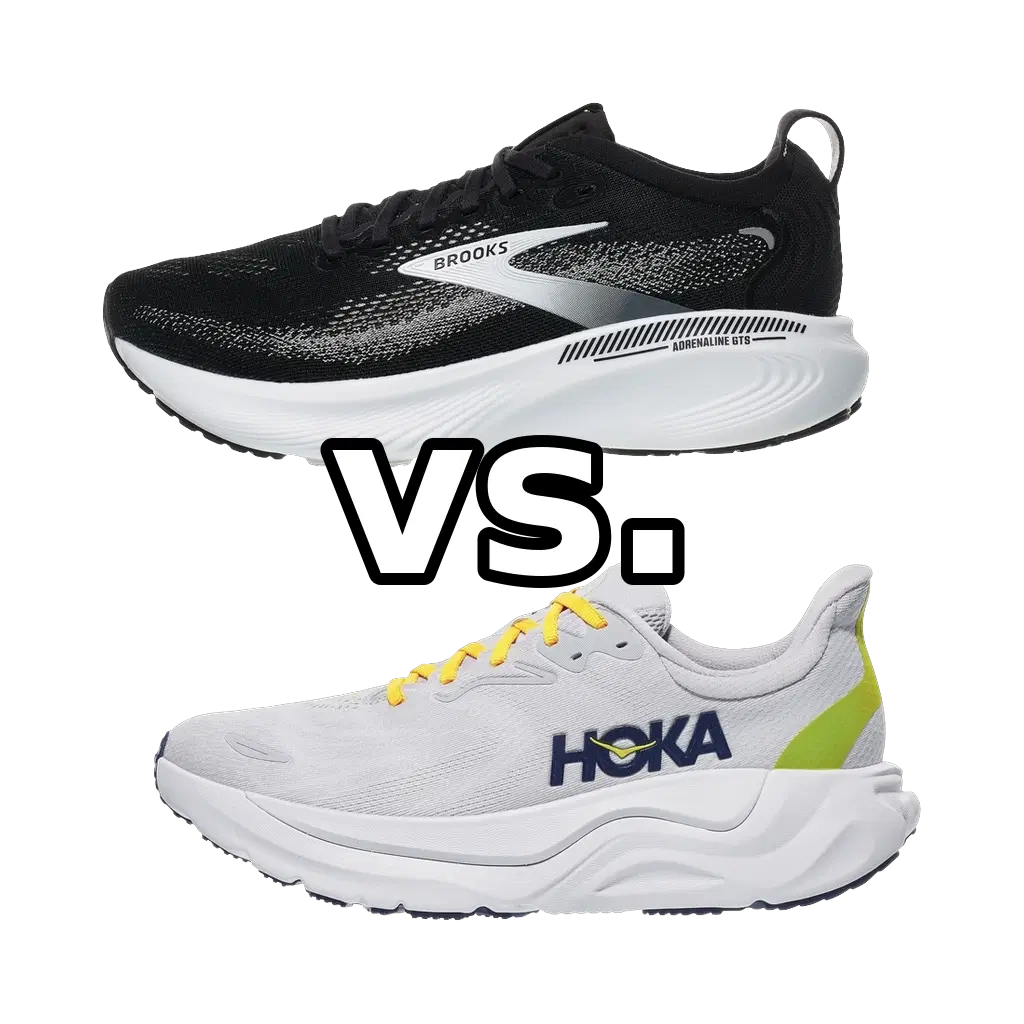
Verdict
It genuinely depends — but on feel and weight, not on which is "better." Go Brooks Adrenaline GTS 25 if you want softer, more forgiving cushioning and a smooth cruiser you don't mind being a little heavier; go Hoka Arahi 8 if you want a lighter shoe, a taller stack, and firmer, more actively stabilized support for high-mileage distance work. Both are honest stability trainers that top out at moderate paces, so pick the ride character — plush-and-planted versus light-and-firm — that matches how your legs like to feel.
Pace
3 of 6
Cushioning
4 of 6
Responsiveness
3 of 6
Stability
5 of 6
Drop
10 mm
Support
Stability
Plate
None
Distances
10KHalfMarathon
Pace
3 of 6
Cushioning
4 of 6
Responsiveness
3 of 6
Stability
6 of 6
Drop
8 mm
Support
Stability
Plate
None
Distances
10KHalfMarathon
At a Glance
Brooks Adrenaline GTS 25Hoka Arahi 8
Who Should Choose Each Shoe
Choose
Brooks Adrenaline GTS 25
Choose the Adrenaline GTS 25 if you're an overpronating heel striker who prioritizes a soft, forgiving, smooth ride for daily easy runs and long steady efforts, and you don't mind carrying a bit more weight for that plush landing. It's the better pick if you've run previous Adrenalines and like the unobtrusive GuideRails feel, or if the firm EVA of other stability shoes has felt harsh on your easy days. Think of it as a comfort-first workhorse for consistent mileage rather than a shoe you'll ask to move quickly.
Choose
Hoka Arahi 8
Choose the Arahi 8 if you want maximum pronation control in a lighter package — it shaves meaningful weight off the Brooks while delivering a taller stack and the most aggressive guidance of the two. It suits high-volume runners who want a planted, firm, predictable platform that doesn't feel clunky underfoot, and who prefer a controlled landing over a soft one. If you log long marathon-build miles and value a secure, structured feel that stays reasonably agile, the Arahi is the stronger match.
Head-to-Head
On paper these two are close relatives — same best distances (10K, half, marathon), same stability support category, no plate, and nearly identical 4/6 cushioning. But the details diverge in ways you'll feel on the run. Weight is the clearest gap: the Arahi 8 comes in around 259g (men's US 9) versus 295g for the Adrenaline GTS 25, so the Hoka feels noticeably more nimble while the Brooks feels sturdy and a touch flat at faster efforts. The Hoka also stacks taller and higher-drop, roughly 39mm heel / 28mm forefoot at an 11mm measured offset, against the Brooks' 36mm / 26mm and 10mm — so the Arahi gives you a little more underfoot while staying lighter. Foam character is where they truly split: the Adrenaline's full-length DNA Loft v3 is a softer, forgiving nitrogen-infused EVA that delivers a smooth, cushioned, slightly softer landing, whereas the Arahi's compression-molded CMEVA is firmer and more planted, giving a controlled, predictable ride with less give. Neither offers real pop — both run out of rebound once you push past roughly 5:00 min/km — so this isn't a responsiveness contest. Stability is handled differently too: Brooks uses GuideRails that quietly correct your stride from the heel without an intrusive medial post, while Hoka pairs a wider base with the firmer-EVA H-Frame for its maximum 6/6 guidance, making the Arahi the more actively structured of the two. In short, the Brooks is the softer, heavier, more cushioned-feeling cruiser; the Hoka is the lighter, firmer, more aggressively stabilized trainer.
Similar Comparisons
Hoka Arahi 7 vs Hoka Arahi 8
Brooks Ghost 18 vs Brooks Adrenaline GTS 25
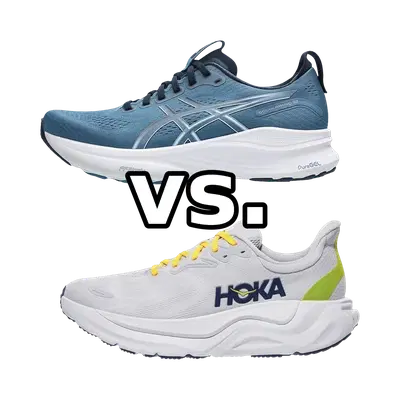
Asics Gel-Kayano 32 vs Hoka Arahi 8
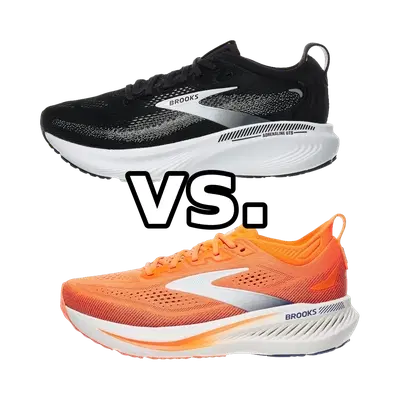
Brooks Adrenaline GTS 25 vs Brooks Glycerin GTS 23
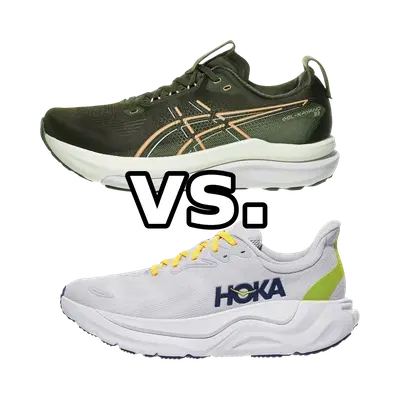
Asics Gel-Kayano 33 vs Hoka Arahi 8
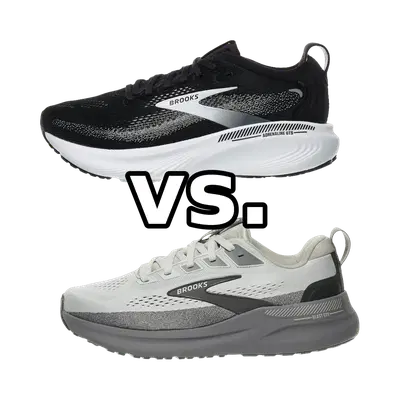
Brooks Adrenaline GTS 25 vs Brooks Beast GTS 26
Hoka Bondi 9 vs Hoka Arahi 8
New Balance Fresh Foam X 860v14 vs Brooks Adrenaline GTS 25
© 2026 longrunshoes.ai | All rights reserved.
Use of materials from this site is permitted only with proper attribution and a link to longrunshoes.ai.