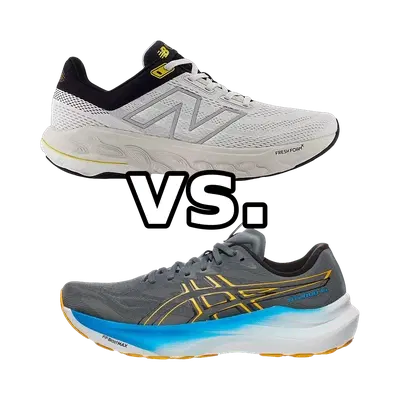
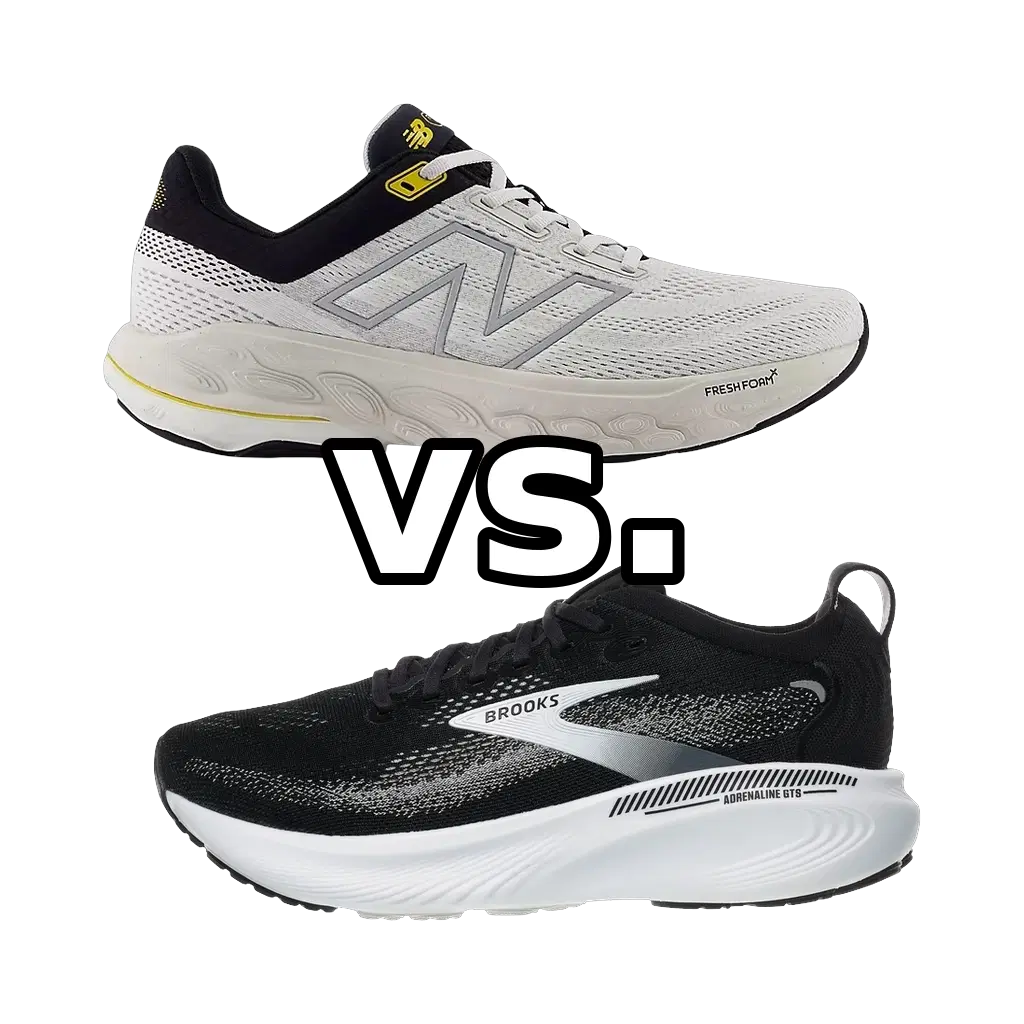
New Balance Fresh Foam X 860v14 vs Brooks Adrenaline GTS 25:
Which to Choose
Verdict
These are two of the closest direct rivals in the stability category — same drop, same weight, same distances, same no-plate daily-trainer mission — so you won't go wrong either way, and the choice comes down to ride feel rather than capability. Go New Balance if you want a firmer, more purposeful ride with overt medial support; go Brooks if you want a softer, comfort-first cruiser whose GuideRails correct quietly. If you can, run in both: the foam and the way the support engages are what your legs will notice, and that's a personal-fit call more than a spec-sheet one.
Pace
3 of 6
Cushioning
4 of 6
Responsiveness
3 of 6
Stability
5 of 6
Drop
10 mm
Support
Stability
Plate
None
Distances
10KHalfMarathon
Pace
3 of 6
Cushioning
4 of 6
Responsiveness
3 of 6
Stability
5 of 6
Drop
10 mm
Support
Stability
Plate
None
Distances
10KHalfMarathon
At a Glance
New Balance Fresh Foam X 860v14Brooks Adrenaline GTS 25
Who Should Choose Each Shoe
Choose
New Balance Fresh Foam X 860v14
Choose the Fresh Foam X 860v14 if you're a mild-to-moderate overpronator who wants a firmer, more grounded platform and does most of your running with intent — steady efforts and progression runs rather than shuffling recovery jogs. It rewards a purposeful stride and its slightly quicker sweet spot suits the runner who wants support that still feels connected to the road and doesn't mind, or prefers, a stiffer medial-post-style feel underfoot.
Choose
Brooks Adrenaline GTS 25
Choose the Adrenaline GTS 25 if you want the softer, more forgiving of the two and value all-day comfort over a snappy feel, especially for easy days, long runs, and higher weekly volume where impact protection matters most. Its GuideRails deliver stability without an intrusive post, so it's the better fit for overpronators who want the correction to stay in the background — and for heel strikers who find firmer stability trainers harsh, this is the more cushioned, cruise-oriented pick.
Head-to-Head
Start with what's genuinely the same, because it's a lot: both share a traditional 10mm heel-to-toe drop, both skip any propulsion plate, both are moderately cushioned rather than maximal, and both weigh essentially the same — the 860v14 comes in around 298g and the Adrenaline GTS 25 around 295g in a men's US 9, so neither is the "lighter" pick and both feel sturdy rather than nimble. The meaningful split is in the foam and the stability mechanism. The 860v14's single slab of Fresh Foam X is the firmer, more grounded of the two — it transitions smoothly and returns a bit of energy when you run with purpose, but it can feel flat and even a touch dead at very easy jogging paces, which is why its happy zone sits slightly quicker at roughly 5:00–6:00 min/km. The Adrenaline's full-length DNA Loft v3 is a softer, nitrogen-infused foam that's more forgiving and comfort-first; it cushions impact more generously but with even less spring back, and it's tuned for a more relaxed 5:30–6:30 min/km. The stability philosophies differ too: New Balance uses medial support geometry and a broad base to physically prop up the arch side, giving a more overtly planted, propped feeling, while Brooks' GuideRails sit along the heel and only engage when your stride drifts, so the correction is quieter and less noticeable until you fatigue. Both top out around 5:00 min/km before the weight and flat rebound become a drag, so neither is a speed tool — they're honest support-first trainers that happen to differ mainly in ride character.
Similar Comparisons
Brooks Adrenaline GTS 24 vs Brooks Adrenaline GTS 25
New Balance Fresh Foam X 860v14 vs New Balance Fresh Foam X 860v15
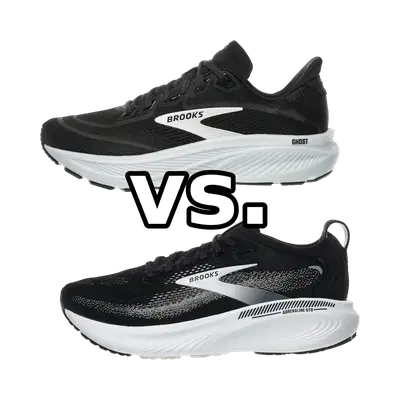
Brooks Ghost 18 vs Brooks Adrenaline GTS 25
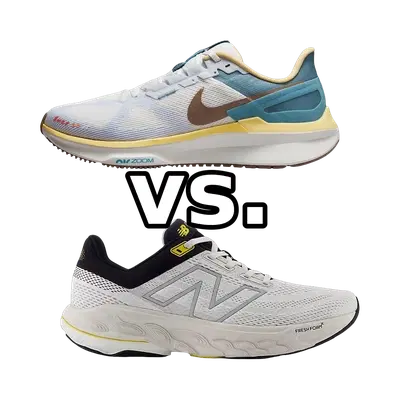
Nike Structure 25 vs New Balance Fresh Foam X 860v14
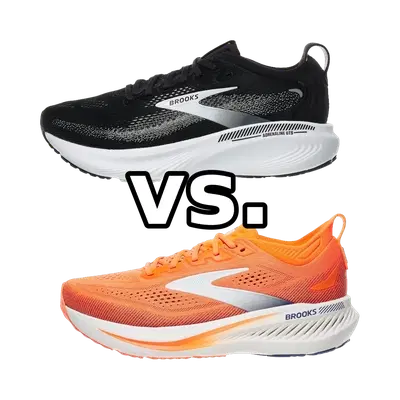
Brooks Adrenaline GTS 25 vs Brooks Glycerin GTS 23
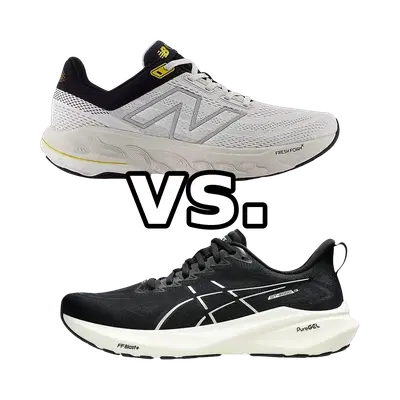
New Balance Fresh Foam X 860v14 vs Asics GT-2000 13
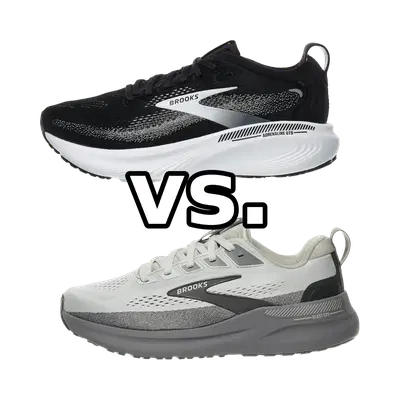
Brooks Adrenaline GTS 25 vs Brooks Beast GTS 26
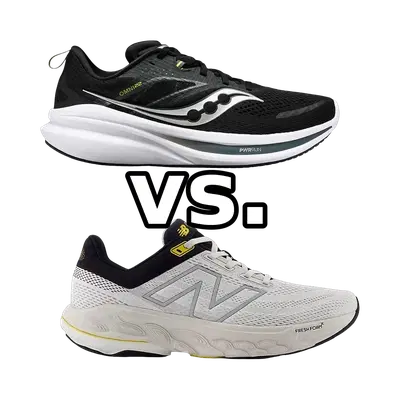
Saucony Omni 22 vs New Balance Fresh Foam X 860v14
© 2026 longrunshoes.ai | All rights reserved.
Use of materials from this site is permitted only with proper attribution and a link to longrunshoes.ai.