
Nike Structure 25 vs New Balance Fresh Foam X 860v14:
Which to Choose
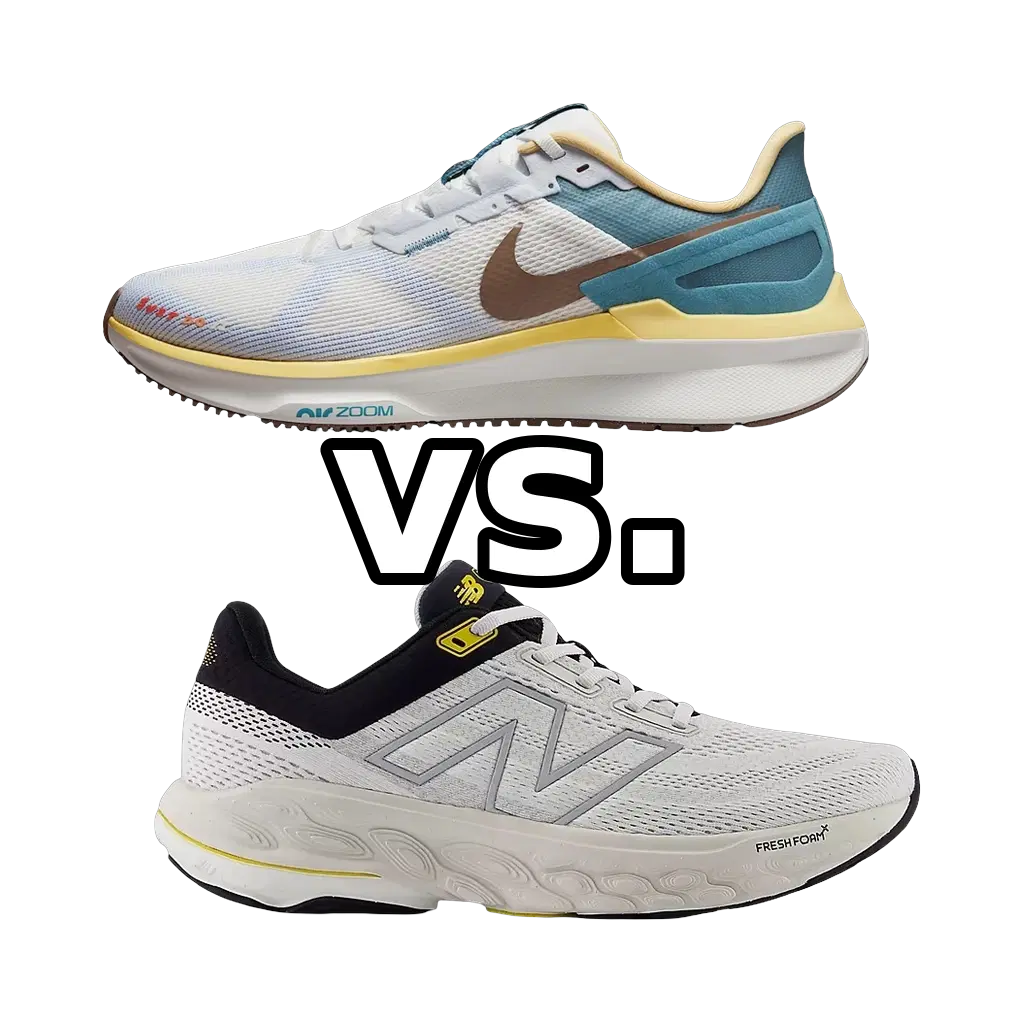
Verdict
These two are so evenly matched on weight, drop, stack, and intended use that there's no wrong answer for a stability-minded daily-miles runner — the spec sheets are nearly interchangeable. Let fit decide first: if you need a narrow or extra-wide option, the 860v14 wins by default, since the Structure 25 stops at wide. If both fit you, pick by feel — the 860v14 for a touch more forefoot cushion and springiness, the Structure 25 for the firmer, lower, more grounded ride.
Pace
3 of 6
Cushioning
4 of 6
Responsiveness
3 of 6
Stability
5 of 6
Drop
10 mm
Support
Stability
Plate
None
Distances
10KHalfMarathon
Pace
3 of 6
Cushioning
4 of 6
Responsiveness
3 of 6
Stability
5 of 6
Drop
10 mm
Support
Stability
Plate
None
Distances
10KHalfMarathon
At a Glance
Nike Structure 25New Balance Fresh Foam X 860v14
Who Should Choose Each Shoe
Choose
Nike Structure 25
Choose the Nike Structure 25 if you want the firmest, most ground-connected version of a stability trainer — a runner who values direct road feedback and a low, planted forefoot over any hint of squish, and whose foot fits comfortably in a standard or wide last. It's a strong pick for beginners building their first consistent weeks and for experienced runners banking easy-to-moderate miles who like the wide-base, guide-rail feel of Nike's approach and don't need a bouncy pop to enjoy the run.
Choose
New Balance Fresh Foam X 860v14
Choose the New Balance Fresh Foam X 860v14 if fit precision matters — its narrow-through-extra-wide (4E) width range makes it the clear answer for anyone whose feet are hard to fit or who has bounced off shoes that only come in standard and wide. It also edges ahead for runners who want a hair more forefoot cushioning and a slightly more resilient toe-off from a stability shoe while keeping the same secure, mild-to-moderate pronation control, especially with the half marathon as the target distance.
Head-to-Head
Start with how alike they are, because it's striking. Both weigh right around 300g in a men's shoe (the Structure 25 about 302g, the 860v14 about 295g) — a difference small enough that no runner will feel it. Both share a traditional 10mm heel-to-toe offset and land near 36–37mm of heel stack, so the rearfoot geometry and heel-strike protection are effectively matched. Neither uses a plate; both lean on firm, moderately resilient foam — Nike's Cushlon 3.0 versus New Balance's Fresh Foam X — and both are honest about the trade-off: they feel a touch dead at true recovery jogging pace and come alive only when you run with purpose, topping out around 4:45–5:00 min/km before the firm build starts to feel heavy. Where they actually diverge is subtle but real. The 860v14 carries a few more millimeters of foam under the forefoot (roughly 27.5mm versus the Structure's ~24.6mm), which gives it a slightly more cushioned, marginally springier toe-off, while the Structure sits lower and firmer up front for more direct road feedback and a more grounded, planted feel. Their support philosophies differ in mechanism more than in result: the Structure 25 abandons a firm medial post for a wide base with guide-rail-style geometry, while the 860v14 uses medial support geometry (its Stability Plane) — both deliver non-corrective, "guides you rather than shoves you" stability. The single most decision-relevant difference isn't in the ride at all: the 860v14 comes in four widths (narrow, standard, wide 2E, and extra-wide 4E), whereas the Structure 25 offers only standard and wide.
Similar Comparisons
New Balance Fresh Foam X 860v14 vs Asics GT-2000 14

Nike Structure 25 vs Nike Structure Plus
New Balance Fresh Foam X 860v14 vs New Balance Fresh Foam X 860v15
Nike Structure 25 vs Asics GT-2000 13
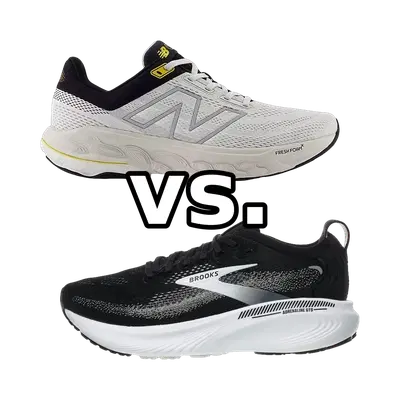
New Balance Fresh Foam X 860v14 vs Brooks Adrenaline GTS 25
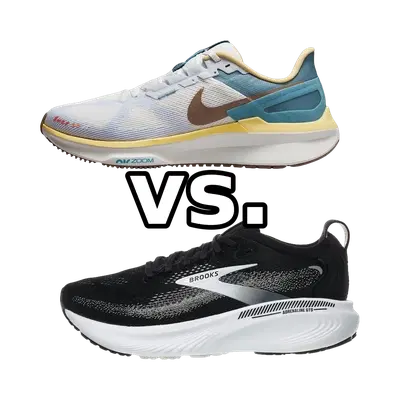
Nike Structure 25 vs Brooks Adrenaline GTS 25
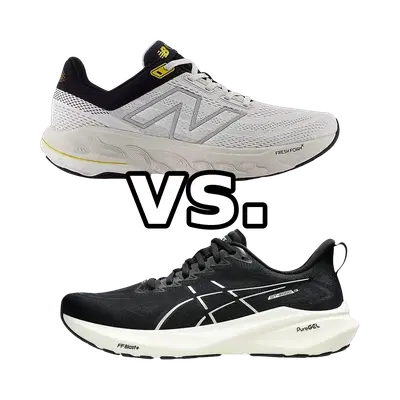
New Balance Fresh Foam X 860v14 vs Asics GT-2000 13
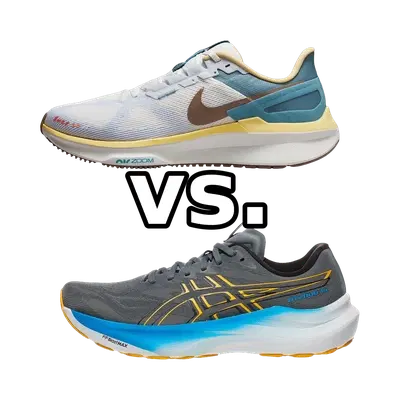
Nike Structure 25 vs Asics GT-2000 14
© 2026 longrunshoes.ai | All rights reserved.
Use of materials from this site is permitted only with proper attribution and a link to longrunshoes.ai.