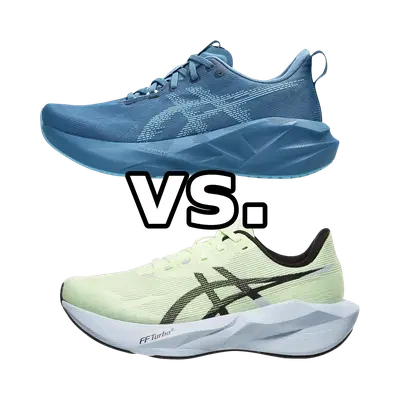
Asics Novablast 6 vs Adidas Hyperboost Edge:
Which to Choose
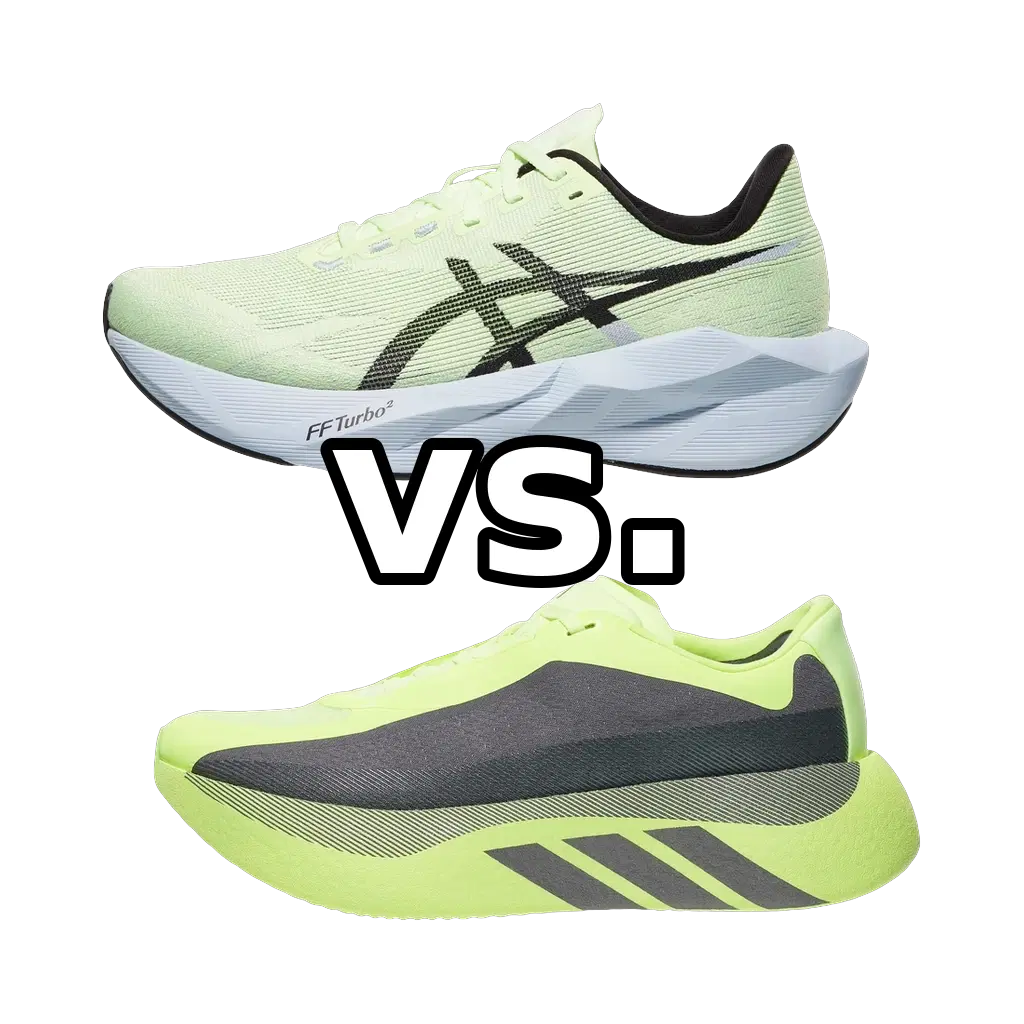
Verdict
These are close cousins — same drop, same weight, same neutral do-it-all brief — so this comes down to stack and intent, not quality. Pick the Hyperboost Edge if you want more foam, more long-run protection, and a ride that pays off when you push the pace; pick the Novablast 6 if you want a lower, more planted, more versatile everyday ride with a snappier forefoot and a more durable outsole. Short version: Adidas for max cushion and marathon ambition, Asics for all-around daily versatility.
Pace
4 of 6
Cushioning
5 of 6
Responsiveness
5 of 6
Stability
3 of 6
Drop
7 mm
Support
Neutral
Plate
None
Distances
10KHalfMarathon
Pace
4 of 6
Cushioning
6 of 6
Responsiveness
5 of 6
Stability
3 of 6
Drop
7 mm
Support
Neutral
Plate
None
Distances
10KHalfMarathon
At a Glance
Asics Novablast 6Adidas Hyperboost Edge
Who Should Choose Each Shoe
Choose
Asics Novablast 6
Choose the Novablast 6 if you want a true do-everything daily trainer that stays versatile across paces rather than asking you to run fast to feel right. Its lower-profile 39mm stack feels a bit more planted and manageable at easy and recovery speeds, the forefoot pod gives it a snappy, cadence-rewarding kick, and the ASICSGRIP outsole is built for piling on miles — making it the safer pick for beginners, high-mileage neutral runners, and anyone who wants one shoe that never feels like too much.
Choose
Adidas Hyperboost Edge
Choose the Hyperboost Edge if your week tilts toward longer, faster efforts and you want maximum protection for extended time on feet. Its taller 45mm PEBA platform delivers deeper, springier cushioning that comes alive when you run with intent at tempo-to-marathon paces, and its slightly higher effective speed ceiling suits the intermediate-to-experienced runner eyeing a half or full marathon who lands efficiently through the midfoot and won't be bothered by a more perched, less planted feel at slow jogs.
Head-to-Head
Start with the numbers, because they're close enough to matter. The Novablast 6 weighs 249g in a men's US 9 and the Hyperboost Edge 247g — a 2g gap you will never feel — and both share a 7mm heel-to-toe drop. The clear separator is stack height: the Hyperboost Edge sits on a 45mm heel / 38mm forefoot platform, a genuine max-cushion setup, while the Novablast 6 is lower at 39mm / 32mm — still tall, but a full 6mm less foam under the heel. That difference drives the ride. The Adidas uses a Hyperboost Pro PEBA midsole that compresses deeply then springs back, so it feels plush and protective for long time on feet but rewards intent — the faster and more deliberately you run, the more its soft, perched platform coheres, and its rebound peaks around 4:00–4:30 min/km. The Asics leans on FF Blast Max foam with a dedicated forefoot FF Turbo Squared pod that adds a distinct kick off the toe, giving it a snappier, more cadence-friendly feel that's happiest a touch slower, in the 4:15–4:45 min/km range when you push, and 4:30–5:30 for daily running. Both are rated the same for responsiveness, but the Adidas gets its bounce purely from a deep foam stack, whereas the Novablast's pop comes partly from that forefoot pod — so the Asics feels livelier underfoot at everyday paces while the Adidas feels more cushioned and energetic the harder you lean on it. Neither is a stability shoe: both are neutral with a 3/6 rating, and both get a little tippy at slow, flat-footed, shuffling paces because of their height — the taller Adidas noticeably so, favoring efficient midfoot landings. On materials, the Asics pairs an engineered woven upper with a durable ASICSGRIP outsole, while the Adidas uses a breathable Primeweave mesh over a lighter LIGHTTRAXION outsole; the ASICSGRIP compound is the more proven choice for high-mileage outsole durability.
Similar Comparisons
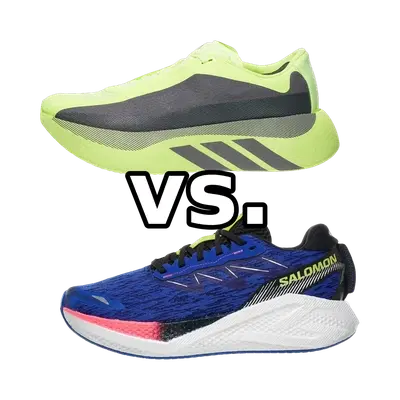
Adidas Hyperboost Edge vs Salomon Aero Glide 4
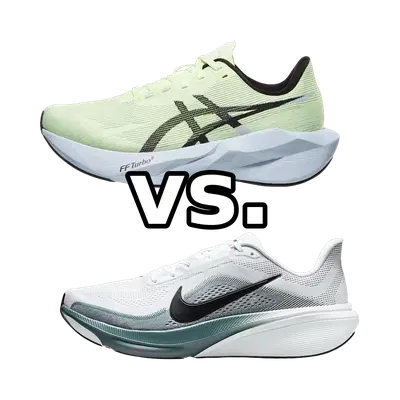
Asics Novablast 6 vs Nike Pegasus 42
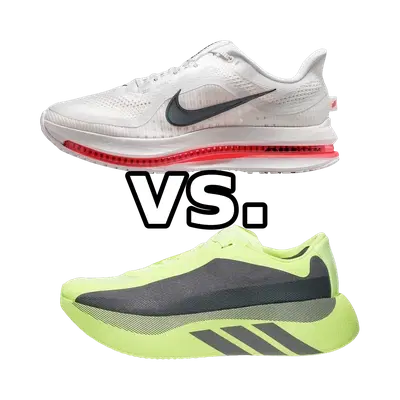
Nike Pegasus Premium vs Adidas Hyperboost Edge
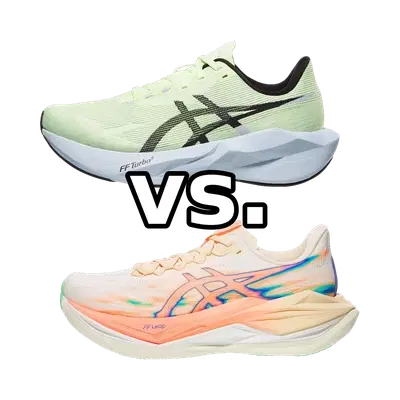
Asics Novablast 6 vs Asics Superblast 3
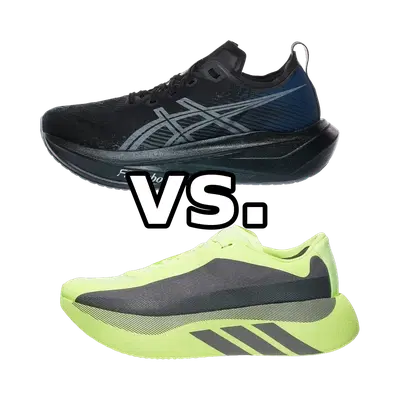
Asics Megablast vs Adidas Hyperboost Edge
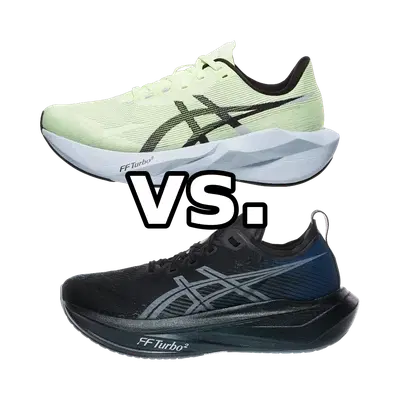
Asics Novablast 6 vs Asics Megablast
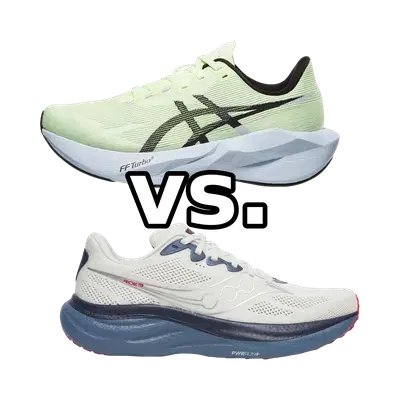
Asics Novablast 6 vs Saucony Ride 19
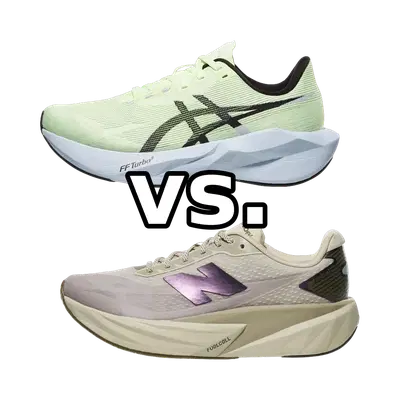
Asics Novablast 6 vs New Balance FuelCell Rebel v5
© 2026 longrunshoes.ai | All rights reserved.
Use of materials from this site is permitted only with proper attribution and a link to longrunshoes.ai.