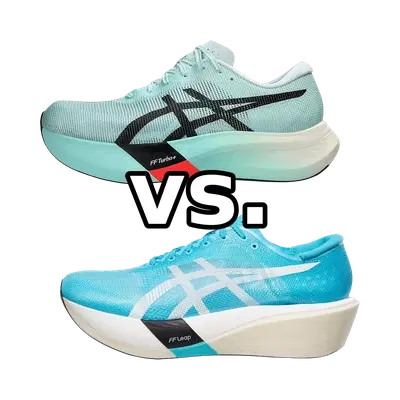
Asics Metaspeed Edge Tokyo vs Saucony Endorphin Elite 3:
Which to Choose
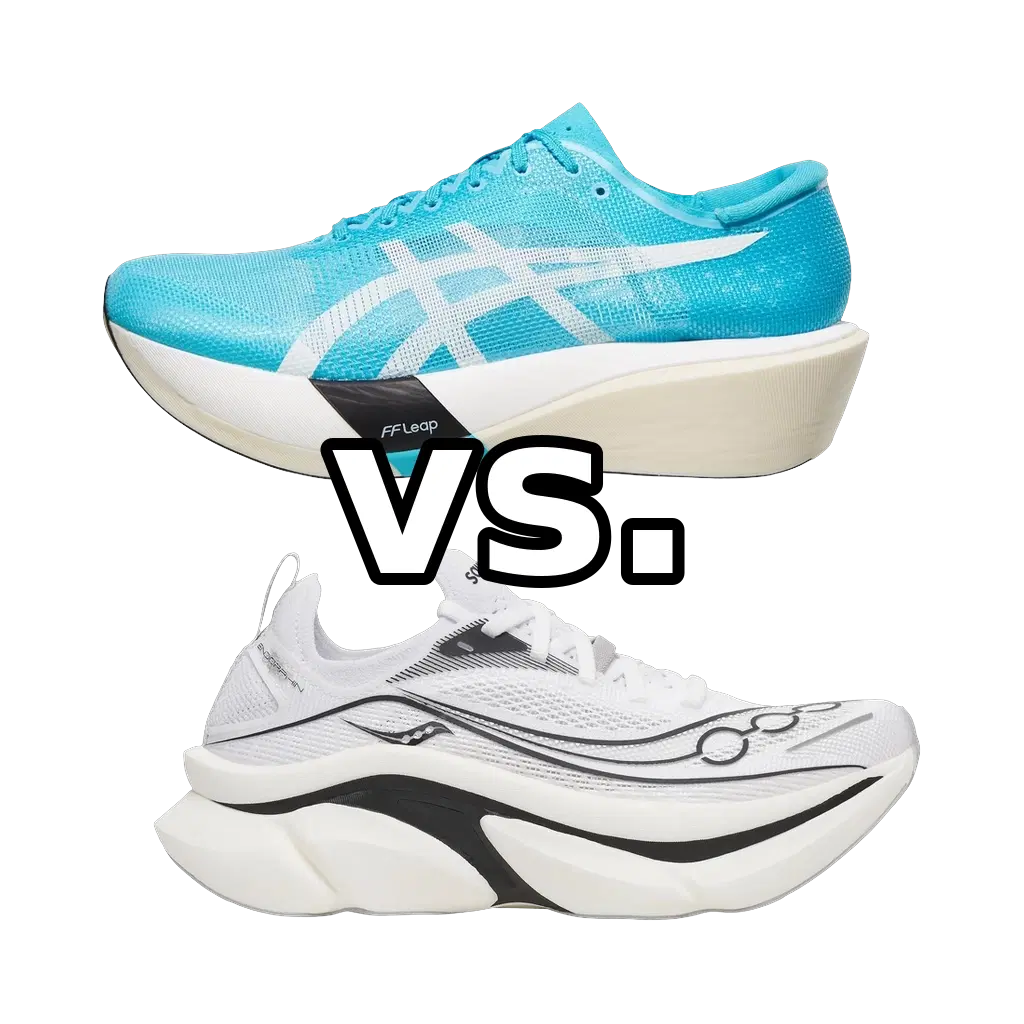
Verdict
These are two excellent racers with near-identical stack and drop, so it genuinely comes down to use and feel, not quality. Pick the Metaspeed Edge Tokyo if you want the lightest shoe and a versatile, quick-turnover racer that's equally at home from 5K to the marathon; pick the Endorphin Elite 3 if you're focused on the half and full marathon and prefer a bouncier, more cushioned, slightly more stable ride over shaving every last gram. For most runners the deciding factors are weight and distance: lighter and more versatile leans Edge, longer and plusher leans Elite.
Pace
6 of 6
Cushioning
5 of 6
Responsiveness
6 of 6
Stability
2 of 6
Drop
7 mm
Support
Neutral
Plate
Carbon
Distances
5K10KHalfMarathon
Pace
6 of 6
Cushioning
5 of 6
Responsiveness
6 of 6
Stability
2 of 6
Drop
6 mm
Support
Neutral
Plate
Carbon
Distances
HalfMarathon
At a Glance
Asics Metaspeed Edge TokyoSaucony Endorphin Elite 3
Who Should Choose Each Shoe
Choose
Asics Metaspeed Edge Tokyo
Choose the Metaspeed Edge Tokyo if you race across a range of distances — 5K and 10K as well as the half and full — and want one of the lightest supershoes made under your foot for all of them. It's the better pick for cadence runners who pick up the pace by increasing turnover rather than stride length, and for forefoot and midfoot strikers who like a firmer, closer-to-the-ground, quick-snapping forefoot that keeps transitions crisp. If raw lightness and versatility across the race calendar matter most to you, this is the shoe.
Choose
Saucony Endorphin Elite 3
Choose the Endorphin Elite 3 if your target races are the half and especially the full marathon, and you'd rather have a softer, bouncier, more rebounding stack to lean on over those longer miles than the absolute lowest weight. The forked, slotted plate adds a bit of torsional stability that some runners appreciate when fatigue sets in late in a long race, and the aggressive forward tip keeps you rolling once you've committed to pace. It's the stronger choice for the marathoner who wants lively cushioning and a planted, propulsive feel over a sharp 5K specialist's snap.
Head-to-Head
Start with the specs that are genuinely close: stack height is nearly identical — the Edge Tokyo measures about 39.5mm heel / 34.5mm forefoot, the Endorphin Elite 3 about 40mm / 34mm — and measured drop is within a millimeter (roughly 7mm on the Edge, 6mm on the Elite), so neither gives you meaningfully more foam underfoot or a notably different offset. Both ride low-to-moderate, level, and quick, and both tuck a stiff full-length carbon plate into a springy supercritical foam. The decisive gap is weight: the Edge Tokyo is a remarkable 159g in a men's US 9, while the Elite 3 comes in around 204g — a 45g difference that you feel on every stride, and it's the single biggest reason to pick one over the other. That weight advantage, plus a plate that spoons aggressively downward to drop you onto a firmer, crisper forefoot, makes the Edge a true cadence-oriented racer that rewards quick turnover and stays sharp from 5K all the way to the marathon. The Elite 3 trades some of that lightness for a more generously rebounding, bouncier IncrediRUN stack and a slotted, forked plate that adds a touch of torsional control — it's tuned to shine over the longer hauls, with the marathon as its clear sweet spot rather than the 5K/10K. Both get tippy at easy paces and both prioritize race-day speed over everyday durability, so neither is a daily trainer; the real question is whether you want the lighter, snappier, more range-spanning tool or the slightly plusher, more planted, distance-focused one.
Similar Comparisons
Saucony Endorphin Elite 2 vs Saucony Endorphin Elite 3
Asics Metaspeed Sky Tokyo vs Asics Metaspeed Edge Tokyo
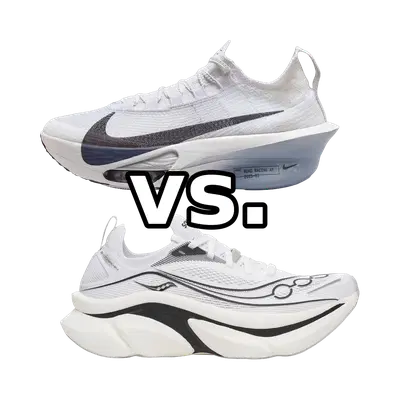
Nike Alphafly 3 vs Saucony Endorphin Elite 3
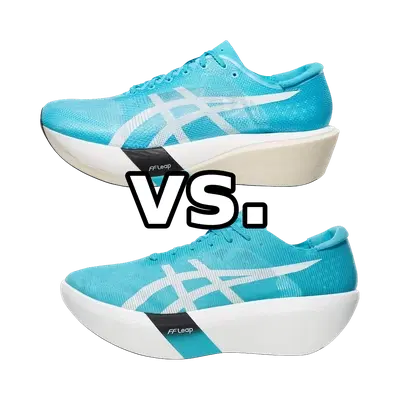
Asics Metaspeed Edge Tokyo vs Asics Metaspeed Ray
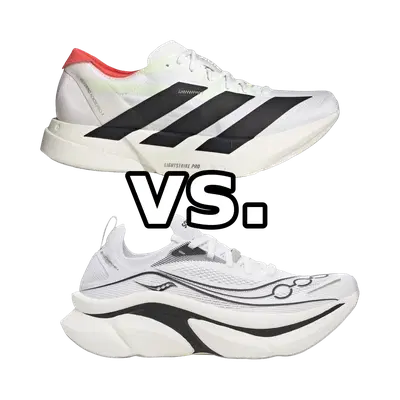
Adidas Adizero Adios Pro 4 vs Saucony Endorphin Elite 3
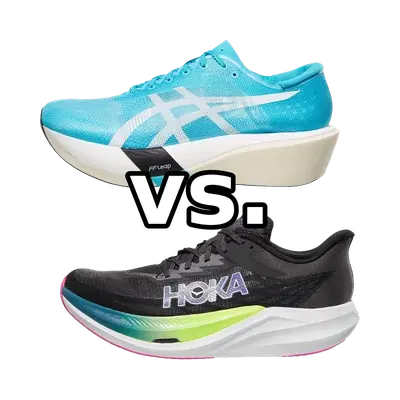
Asics Metaspeed Edge Tokyo vs Hoka Rocket X 3
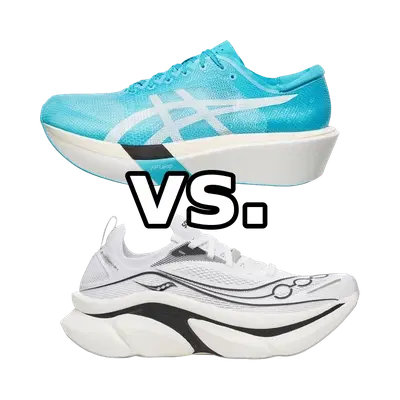
Asics Metaspeed Sky Tokyo vs Saucony Endorphin Elite 3
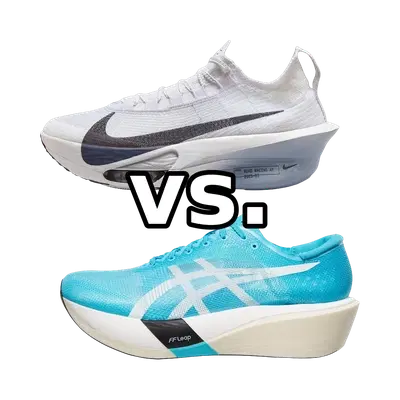
Nike Alphafly 3 vs Asics Metaspeed Edge Tokyo
© 2026 longrunshoes.ai | All rights reserved.
Use of materials from this site is permitted only with proper attribution and a link to longrunshoes.ai.