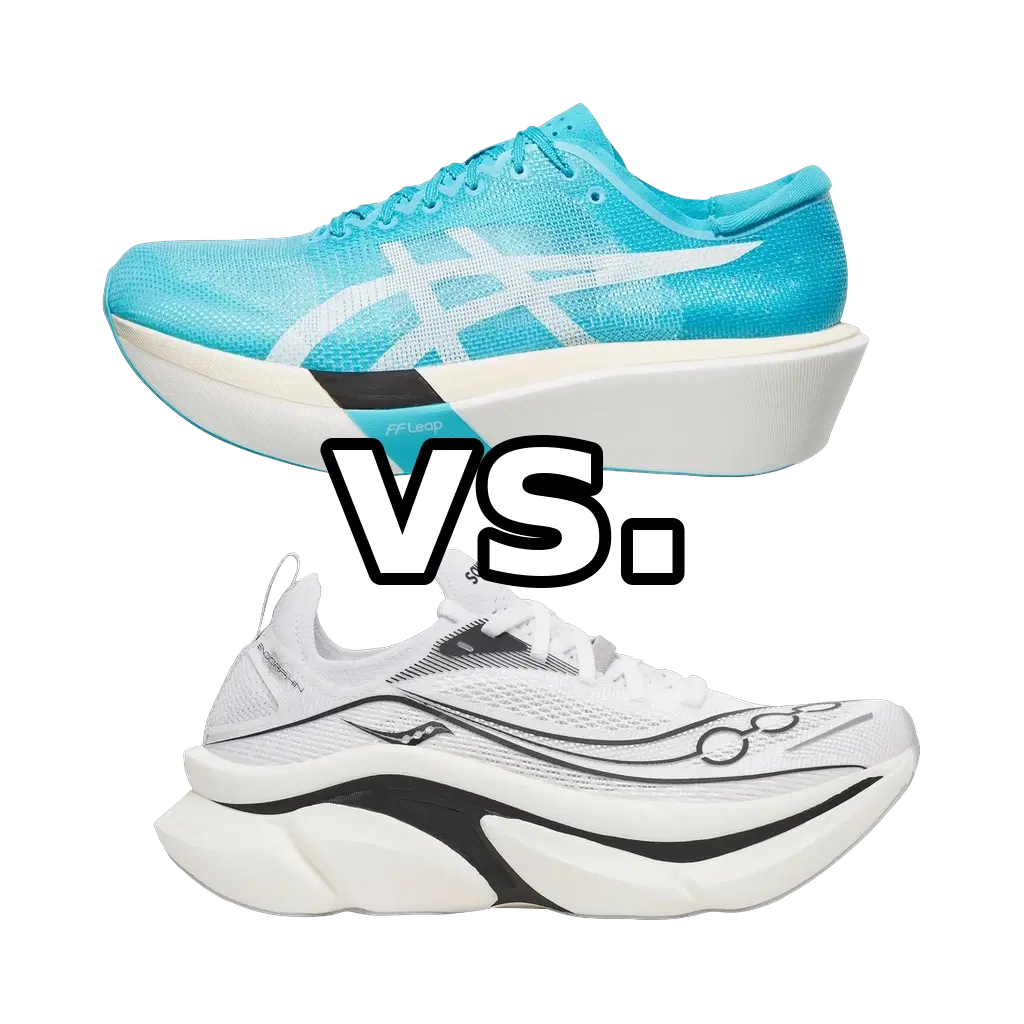
Asics Metaspeed Sky Tokyo vs Saucony Endorphin Elite 3:
Which to Choose
Verdict
These are genuine peers, so the decision isn't which is "better" — it's what you want to feel at race pace. Go Metaspeed Sky Tokyo for the lighter, firmer, more aggressive ride that rewards a quick, stride-lengthening runner; go Endorphin Elite 3 for the softer, bouncier, slightly more forgiving platform that stays comfortable deep into a marathon. If raw featherweight speed and snap matter most, pick the Asics; if cushioned, stable-feeling long-distance comfort matters more, pick the Saucony.
Pace
6 of 6
Cushioning
5 of 6
Responsiveness
6 of 6
Stability
2 of 6
Drop
6 mm
Support
Neutral
Plate
Carbon
Distances
HalfMarathon
Pace
6 of 6
Cushioning
5 of 6
Responsiveness
6 of 6
Stability
2 of 6
Drop
6 mm
Support
Neutral
Plate
Carbon
Distances
HalfMarathon
At a Glance
Asics Metaspeed Sky TokyoSaucony Endorphin Elite 3
Who Should Choose Each Shoe
Choose
Asics Metaspeed Sky Tokyo
Choose the Metaspeed Sky Tokyo if you're an efficient forefoot or midfoot striker who goes faster by lengthening your stride and you want the lightest, firmest, most aggressive tool you can lace up on race day. At roughly 163g it disappears on your foot, and its firm, plate-close-to-the-foot feel rewards runners who hold genuine race effort and want instant, snappy transitions rather than cushioned comfort. It's the pick for the PB hunter who trusts their form and prefers a race shoe that feels sharp and urgent underfoot.
Choose
Saucony Endorphin Elite 3
Choose the Endorphin Elite 3 if you want a softer, bouncier ride that cruises comfortably through a full marathon's worth of pounding without feeling harsh. Its IncrediRUN foam delivers a more cushioned, rebounding rhythm, and the forked plate's added torsional control plus slightly wider feel make it a touch more forgiving and planted for runners who aren't perfectly centered forefoot strikers. It suits the competitive marathoner who prioritizes a plush, lively long-haul ride and doesn't mind carrying the extra ~40g for that extra protection.
Head-to-Head
Start with the specs that match: both sit at roughly the same height off the ground — 39mm heel/33mm forefoot for the Metaspeed, 40mm/34mm for the Endorphin Elite 3 — both run a measured 6mm drop, both are tall, narrow neutral platforms with a full-length carbon plate, and both are dialed in for the same 3:00–3:30 min/km race zone. The single biggest hard difference is weight: the Metaspeed Sky Tokyo is extraordinarily light at about 163g (men's US 9), while the Endorphin Elite 3 is around 204g — a gap of roughly 40g, which is a lot in a racer and is felt most on the back half of a marathon and on any surge. The second difference is ride character. Asics' FF Leap foam sits low with the carbon plate riding close underfoot, so the Metaspeed feels race-firm, snappy, and aggressive — it almost tips you onto your toes and rewards a light, quick, stride-lengthening turnover. Saucony's dual-layer IncrediRUN is softer and bouncier, giving a livelier, more cushioned rebound that settles into a smooth cruising rhythm rather than a nervous, on-the-edge one. Their plates differ too: the Metaspeed's plate is tuned to spring you up and out for a longer stride, while the Endorphin Elite 3's slotted, forked plate adds a measure of torsional control, so its platform — though still a narrow racer — feels marginally more planted and forgiving of a less-than-perfect footstrike. Both trade durability and lockdown for speed through thin, breathable mesh uppers, so neither is a do-everything trainer.
Similar Comparisons
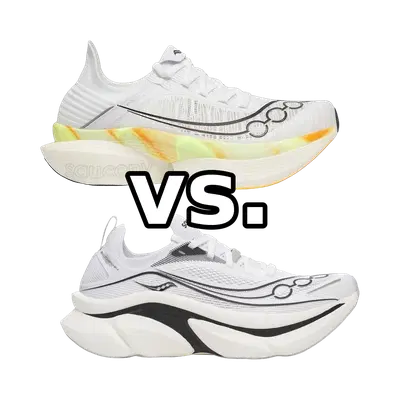
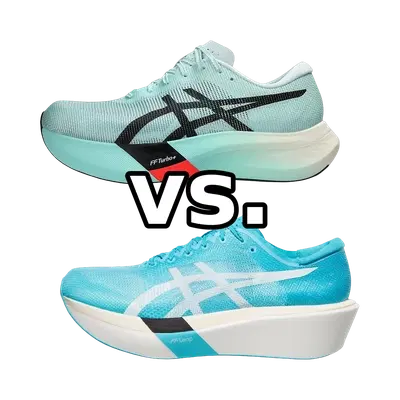
Saucony Endorphin Elite 2 vs Saucony Endorphin Elite 3
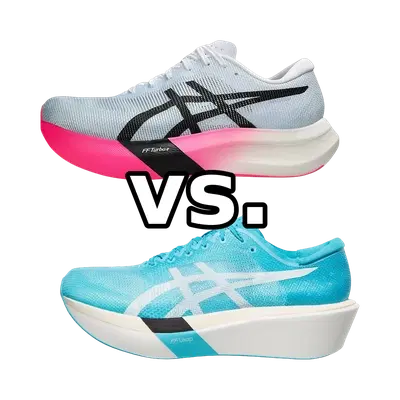
Asics Metaspeed Sky Paris vs Asics Metaspeed Sky Tokyo
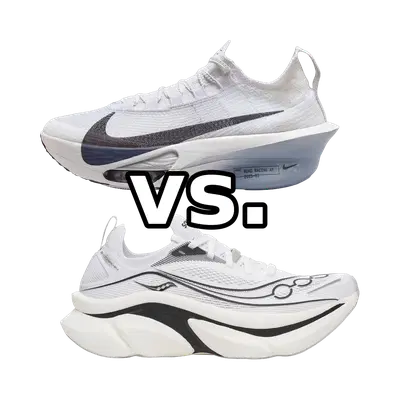
Nike Alphafly 3 vs Saucony Endorphin Elite 3
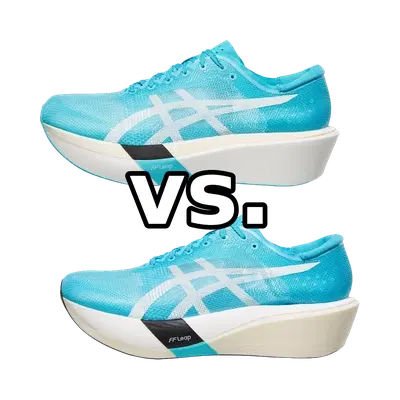
Asics Metaspeed Sky Tokyo vs Asics Metaspeed Edge Tokyo
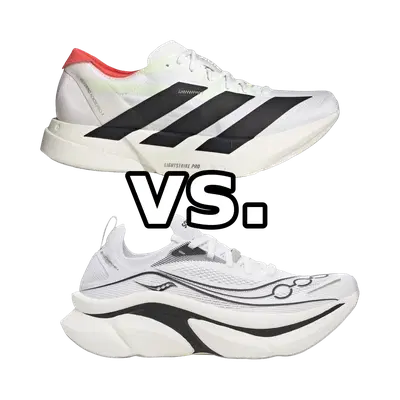
Adidas Adizero Adios Pro 4 vs Saucony Endorphin Elite 3
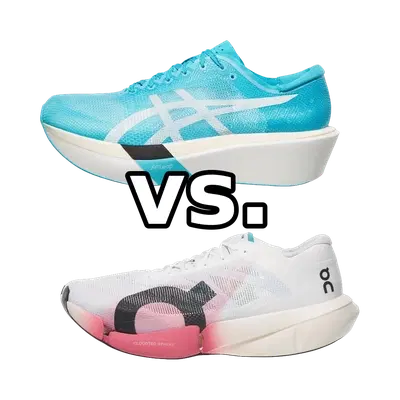
Asics Metaspeed Sky Tokyo vs On Cloudboom Strike 2
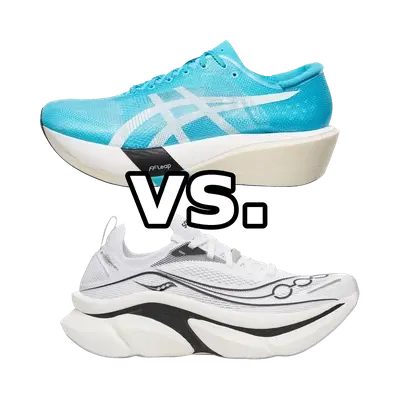
Asics Metaspeed Edge Tokyo vs Saucony Endorphin Elite 3
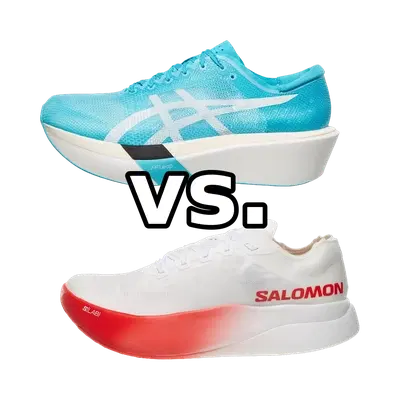
Asics Metaspeed Sky Tokyo vs Salomon S/Lab Phantasm 3 SC
© 2026 longrunshoes.ai | All rights reserved.
Use of materials from this site is permitted only with proper attribution and a link to longrunshoes.ai.