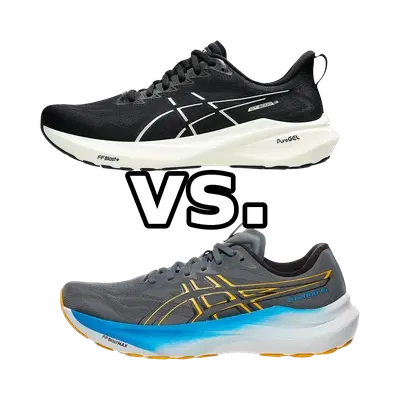
Asics GT-2000 14 vs Brooks Adrenaline GTS 25:
Which to Choose
Verdict
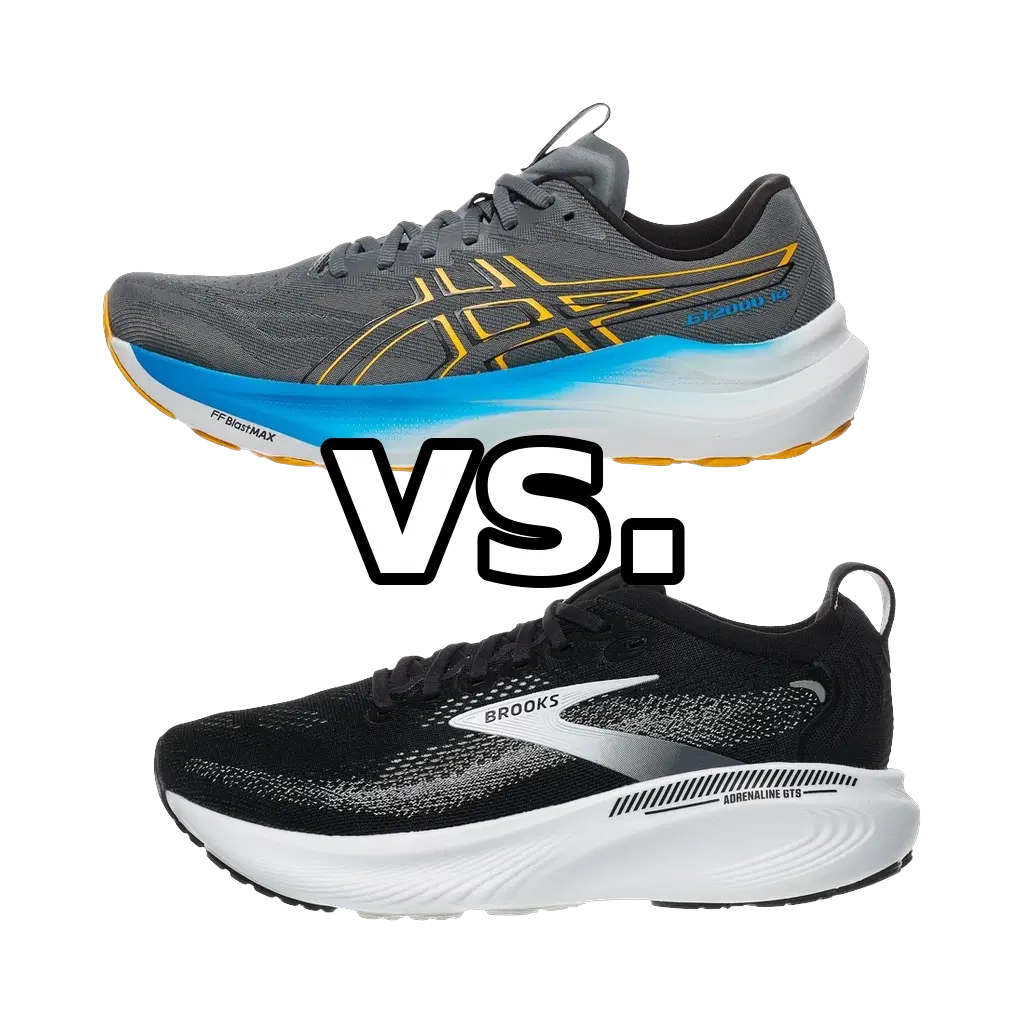
These are two of a kind, so this comes down to your foot and your priorities, not which is the "better" shoe. Go with the Asics GT-2000 14 for a lighter, smoother, slightly more energetic ride and a lower 8mm drop — provided your foot fits its narrower toebox. Go with the Brooks Adrenaline GTS 25 if you want the roomier, more breathable fit, a higher 10mm drop, and the softest, most planted feel for easy long miles, and you're willing to accept the extra 26g of weight that comes with it.
Pace
3 of 6
Cushioning
4 of 6
Responsiveness
3 of 6
Stability
5 of 6
Drop
8 mm
Support
Stability
Plate
None
Distances
10KHalfMarathon
Pace
3 of 6
Cushioning
4 of 6
Responsiveness
3 of 6
Stability
5 of 6
Drop
10 mm
Support
Stability
Plate
None
Distances
10KHalfMarathon
At a Glance
Asics GT-2000 14Brooks Adrenaline GTS 25
Who Should Choose Each Shoe
Choose
Asics GT-2000 14
Choose the GT-2000 14 if you want the lighter, slightly livelier of the two — a mild overpronator or neutral runner who logs steady 10K-to-marathon training miles but still appreciates a bit of smoothness and roll-through when transitioning heel to toe. It's the better pick for someone with a lower-volume or narrower foot who prefers an 8mm drop, and who runs in cooler conditions where the denser, less-ventilated upper won't be an issue.
Choose
Brooks Adrenaline GTS 25
Choose the Adrenaline GTS 25 if you're a committed heel striker who overpronates and wants maximum planted security on long, relaxed training runs, and you don't mind carrying a bit more shoe to get it. Its softer DNA Loft v3 foam, higher 10mm drop, and roomier, more breathable upper make it the friendlier choice for wider feet, hotter weather, and runners who value forgiving comfort and support over a quick, snappy feel.
Head-to-Head
On paper these shoes are twins: same cushioning, responsiveness, and stability scores, no propulsion plate, and both deliver support through geometry rather than an old-school medial post — the GT-2000 14 via Asics' internal 3D Guidance System, the Adrenaline via Brooks' GuideRails at the heel. The stack heights are near-identical too (37mm heel / 28mm forefoot on the Asics, 36mm / 26mm on the Brooks), so neither is noticeably taller or more cushioned underfoot. The real differences are three. First, weight: the GT-2000 14 comes in at 269g (men's US 9) versus 295g for the Adrenaline — a 26g gap that is genuinely felt, making the Asics the nimbler-feeling shoe and the Brooks the sturdier, more grounded one that drags a little when you try to accelerate. Second, drop and ride: the Asics runs an 8mm drop with FF Blast Max foam that feels composed and smooth with a touch of spring, while the Brooks sits at a higher 10mm with softer, more forgiving DNA Loft v3 that cushions impact but gives back less — great for a committed heel striker, slightly flatter-feeling overall. Third, and most decisive for many, fit: the GT-2000 14's toebox runs narrow and its dense upper limits ventilation on warm runs, whereas the Adrenaline's engineered knit upper is breathable and more accommodating up front. Both guide the foot without feeling intrusive, so neither overcorrects a neutral stride.
Similar Comparisons
Brooks Adrenaline GTS 24 vs Brooks Adrenaline GTS 25
Asics GT-2000 14 vs Asics GT-2000 15
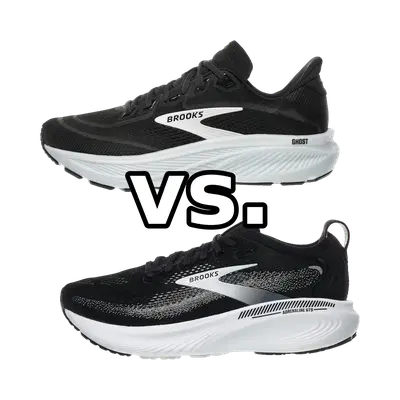
Brooks Ghost 18 vs Brooks Adrenaline GTS 25
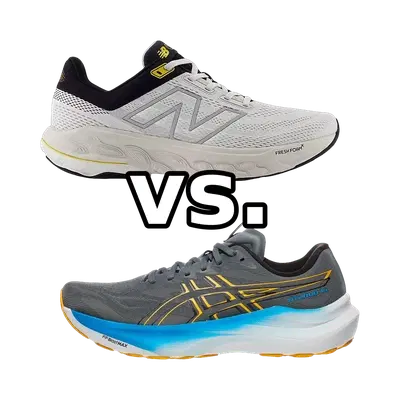
New Balance Fresh Foam X 860v14 vs Asics GT-2000 14
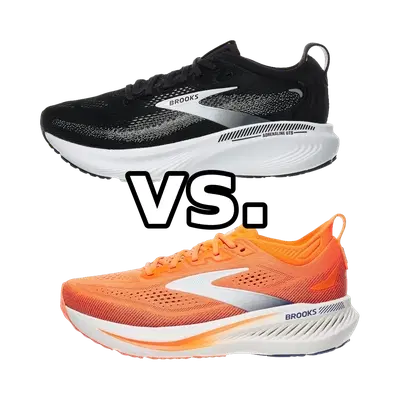
Brooks Adrenaline GTS 25 vs Brooks Glycerin GTS 23
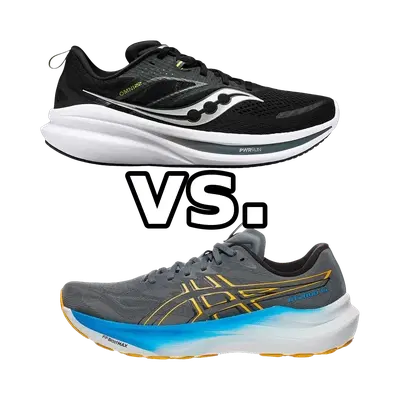
Saucony Omni 22 vs Asics GT-2000 14
Brooks Adrenaline GTS 25 vs Brooks Beast GTS 26
Saucony Echelon 10 vs Asics GT-2000 14
© 2026 longrunshoes.ai | All rights reserved.
Use of materials from this site is permitted only with proper attribution and a link to longrunshoes.ai.