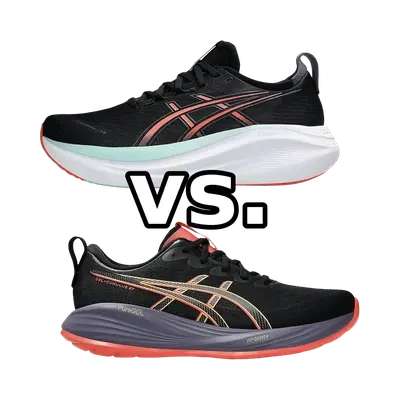
Asics Gel-Cumulus 27 vs Brooks Glycerin 22:
Which to Choose
Verdict
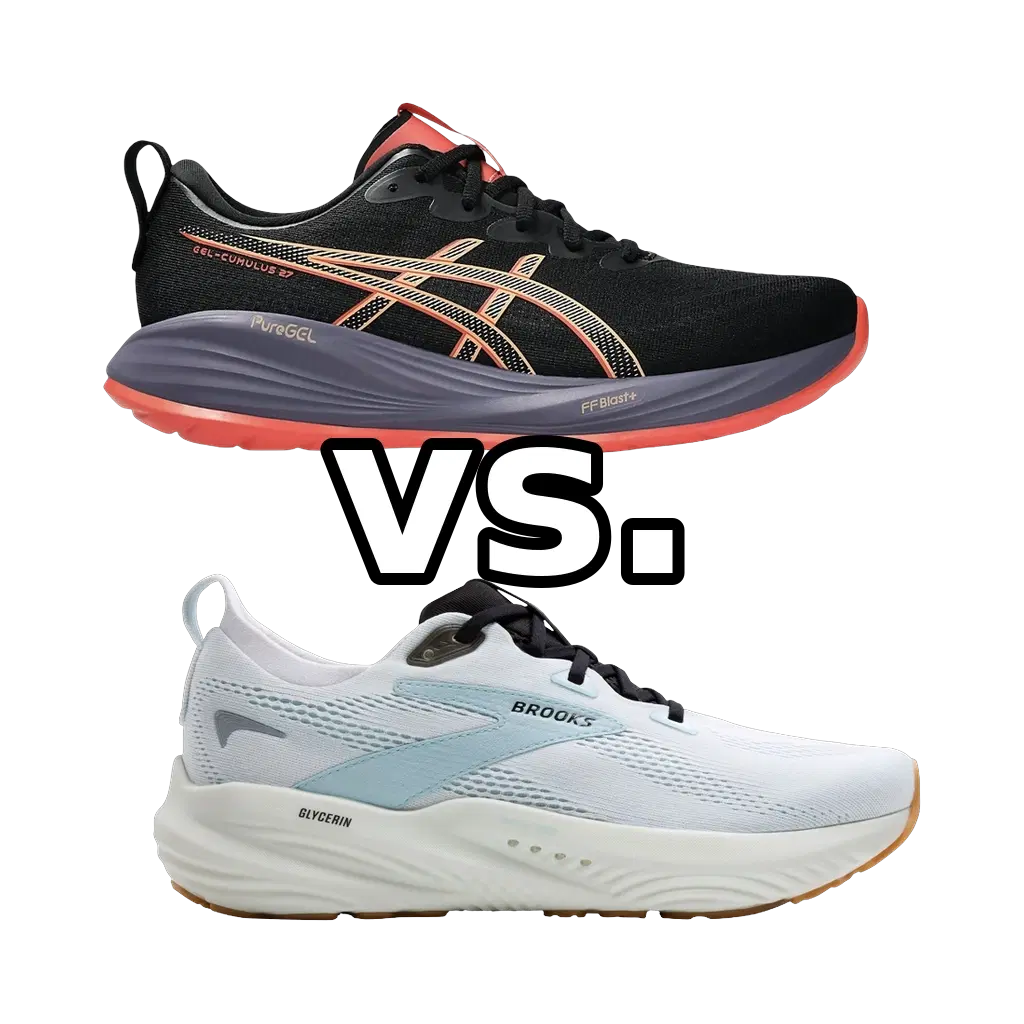
It genuinely comes down to ride preference, because cushioning and intended use are essentially identical. Go with the Asics Gel-Cumulus 27 if you want a lighter, lower-drop shoe that rolls along smoothly and feels a bit more willing when you accelerate; go with the Brooks Glycerin 22 if you want the more planted, heel-friendly, maximally plush ride and will spend most of your time at relaxed efforts. Match the drop and weight to how your foot naturally lands and how much you value nimbleness versus pure cushioned comfort.
Pace
3 of 6
Cushioning
5 of 6
Responsiveness
4 of 6
Stability
4 of 6
Drop
8 mm
Support
Neutral
Plate
None
Distances
10KHalfMarathon
Pace
3 of 6
Cushioning
5 of 6
Responsiveness
4 of 6
Stability
4 of 6
Drop
10 mm
Support
Neutral
Plate
None
Distances
10KHalfMarathon
At a Glance
Asics Gel-Cumulus 27Brooks Glycerin 22
Who Should Choose Each Shoe
Choose
Asics Gel-Cumulus 27
Choose the Gel-Cumulus 27 if you want the lighter, slightly more versatile of the two — its lower 8mm drop and ~261g weight suit a midfoot-leaning runner who logs easy and steady miles but occasionally wants to stretch into a faster steady-state effort without feeling bogged down. It's a strong pick for beginner-to-intermediate runners building weekly volume who like a calm, forgiving, roll-through ride and prefer a shoe that sits a touch closer to the ground.
Choose
Brooks Glycerin 22
Choose the Glycerin 22 if maximum plush comfort and a planted, composed platform are your priorities over any sense of nimbleness. Its traditional 10mm drop favors heel strikers, and the wide sidewall-supported base plus the gentle spring of the DNA Tuned foam make it ideal for high-mileage recreational runners who want joint protection on long, relaxed marathon-distance training runs and don't mind carrying the extra ~28g for that steady, cushioned feel.
Head-to-Head
On paper these two are near-twins — matched cushioning, responsiveness, and stability scores, no plate, neutral support, and virtually identical stack heights (around 38.5mm at the heel on the Cumulus, roughly 39mm on the Glycerin), so cushioning depth is effectively a wash. The first concrete split is drop: the Cumulus runs an 8mm offset while the Glycerin keeps a traditional 10mm, so the Glycerin sits you a little further back on the heel and rewards heel strikers, whereas the Cumulus's lower ramp nudges you toward a smoother midfoot-to-forefoot roll. The second is weight — the Cumulus is the lighter shoe at roughly 261g (men's 9) against about 289g for the Glycerin, a noticeable ~28g gap that makes the Asics feel a touch more nimble when you do pick up the pace, while the Brooks feels more planted and plush but also more of a chore to turn over quickly. Foam character differs too: the Cumulus pairs FF Blast+ ECO with a PureGEL heel unit for calm, forgiving, rounded landings, while the Glycerin's nitrogen-infused DNA Tuned foam gives a slightly livelier, gentler spring and leans on wide, sidewall-supported sidewalls for a composed, steadying base. Both go muted if you push much past roughly 5:00/km, and both are durable everyday workhorses — the Cumulus's AHAR outsole covers the high-wear zones well — so no one is buying either of these for speed.
Similar Comparisons

Brooks Glycerin 22 vs Brooks Glycerin 23
Asics Gel-Cumulus 27 vs Asics Gel-Cumulus 28

Brooks Glycerin 22 vs Brooks Glycerin Flex

Asics Gel-Cumulus 27 vs Saucony Ride 19

Brooks Glycerin 22 vs Brooks Glycerin GTS 23
Asics Gel-Cumulus 27 vs Mizuno Wave Sky 8

Brooks Glycerin 22 vs Salomon Aero Glide 3
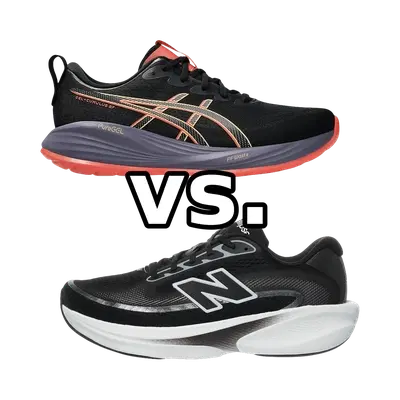
Asics Gel-Cumulus 27 vs New Balance Fresh Foam X Ellipse v1
© 2026 longrunshoes.ai | All rights reserved.
Use of materials from this site is permitted only with proper attribution and a link to longrunshoes.ai.