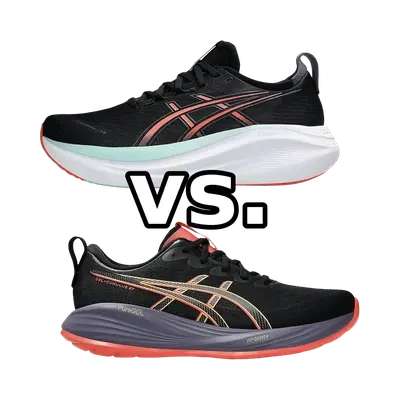
Asics Gel-Cumulus 27 vs Saucony Ride 19:
Which to Choose
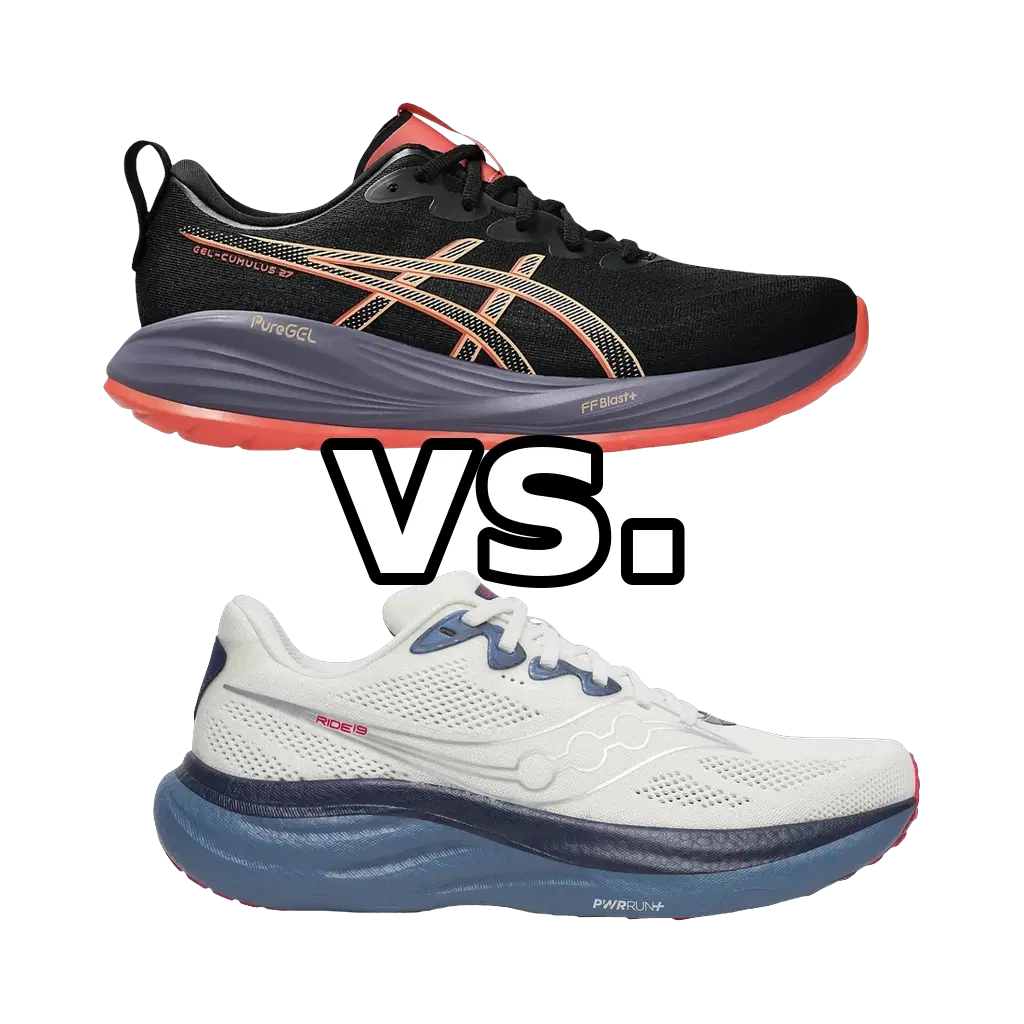
Verdict
These are two genuinely close shoes for the same purpose, so there's no wrong answer — it comes down to feel. Go Cumulus 27 for a lighter, firmer, more grounded and calming ride best at easy paces; go Ride 19 for a softer, slightly bouncier platform that carries a bit more life and a marginally higher comfortable ceiling. If you can, let fit and foam preference decide: try both, and take whichever your foot and stride agree with — neither will let you down on daily miles.
Pace
3 of 6
Cushioning
5 of 6
Responsiveness
4 of 6
Stability
4 of 6
Drop
8 mm
Support
Neutral
Plate
None
Distances
10KHalfMarathon
Pace
3 of 6
Cushioning
5 of 6
Responsiveness
4 of 6
Stability
4 of 6
Drop
8 mm
Support
Neutral
Plate
None
Distances
10KHalfMarathon
At a Glance
Asics Gel-Cumulus 27Saucony Ride 19
Who Should Choose Each Shoe
Choose
Asics Gel-Cumulus 27
Choose the Gel-Cumulus 27 if you want the calmest, most planted, no-surprises version of a cushioned daily trainer — a beginner-to-intermediate runner building weekly volume who values a soft, stable landing over any bounce. It's the better pick if you run mostly at genuinely easy, conversational paces (roughly 5:15/km and slower), prefer a slightly lighter shoe on foot, and get on well with Asics' more secure, structured fit. Reach for it for steady base miles and relaxed long runs where comfort and dependability matter more than turnover.
Choose
Saucony Ride 19
Choose the Ride 19 if you want the same everyday-trainer job done with a little more energy underfoot — the PWRRUN+ eTPU gives a mild toe-off pop that makes it feel slightly more willing when you nudge the pace, and its comfortable range extends a touch quicker. It suits neutral runners who log the bulk of their mileage in one shoe and want plush, marathon-ready protection with a rolling, forgiving transition, and who don't mind a slightly heavier, softer platform. Pick it if you prefer Saucony's fit and want the more versatile of the two toward the faster end of easy-to-steady running.
Head-to-Head
On paper these are near-twins: identical 8mm drop, the same high-cushion/neutral/plateless build, and the same sweet spot of easy days plus 10K-to-marathon efforts. The meaningful split is in the midsole material and how it rides. The Cumulus 27 runs on FF Blast+ ECO foam over a PureGEL heel unit — a soft, forgiving, planted landing that stays calm and rounded through the transition but is slow to rebound and feels a little flat when you push. The Ride 19 uses PWRRUN+ eTPU, a soft-but-not-mushy foam that adds a mild, above-average bounce on toe-off, so it rolls with a touch more life underfoot. Weight tips slightly toward the Asics: the Cumulus 27 is around 261g in a men's US 9 versus roughly 278g for the Ride 19, and the Ride's own character reflects that — it's the plusher, heavier-feeling of the two, comfortable at cruising pace but a bit dead when you press hard. Stack heights are close and both sit in the tall-but-not-maximal range; by each brand's own numbers the Cumulus is marginally taller (about 38.5mm heel / 30.5mm forefoot) than the Ride (about 36mm / 28mm), though both feel like protective, high-cushion platforms. The clearest usable difference is the comfortable pace band: the Cumulus is happiest around 5:15–6:15 min/km and starts to feel muted quicker, while the Ride cruises a hair faster at 4:45–5:30 and has a slightly higher comfortable ceiling before its weight holds it back. Beyond that, the deciding factor is brand fit and foam preference more than any spec: the Asics leans firmer, calmer, and more grounded, the Saucony softer and a touch springier.
Similar Comparisons

Saucony Ride 18 vs Saucony Ride 19
Asics Gel-Cumulus 27 vs Asics Gel-Cumulus 28
Asics Novablast 6 vs Saucony Ride 19
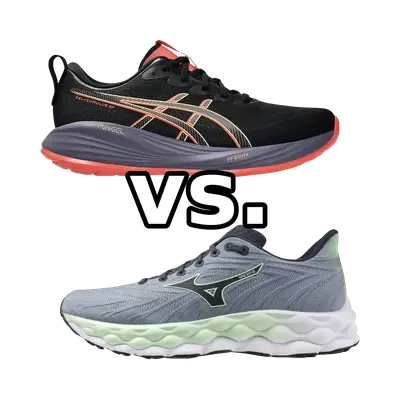
Asics Gel-Cumulus 27 vs Mizuno Wave Sky 8
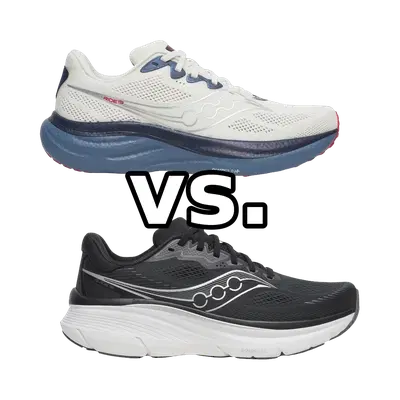
Saucony Ride 19 vs Saucony Guide 19
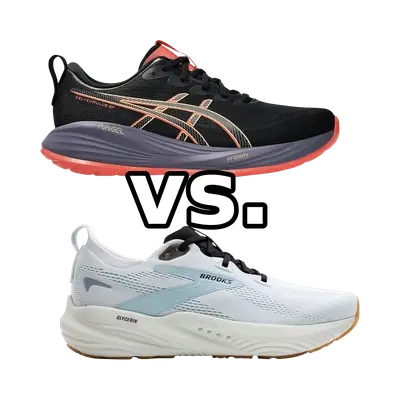
Asics Gel-Cumulus 27 vs Brooks Glycerin 22
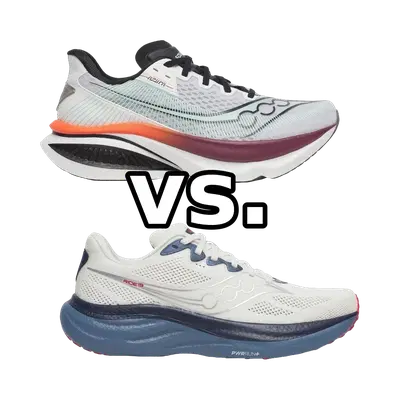
Saucony Endorphin Azura vs Saucony Ride 19
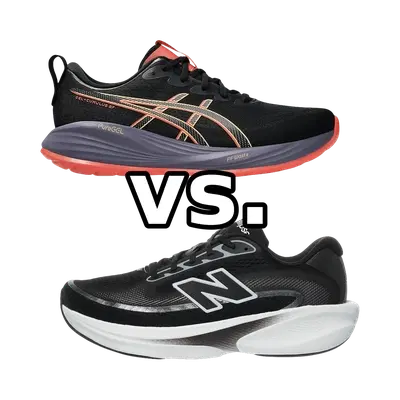
Asics Gel-Cumulus 27 vs New Balance Fresh Foam X Ellipse v1
© 2026 longrunshoes.ai | All rights reserved.
Use of materials from this site is permitted only with proper attribution and a link to longrunshoes.ai.