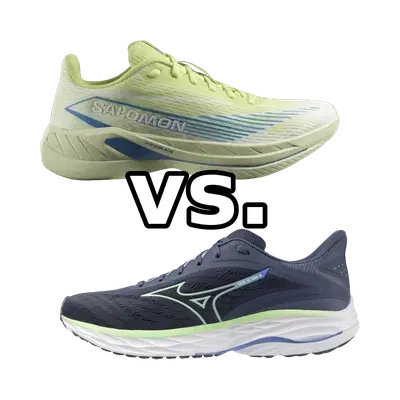
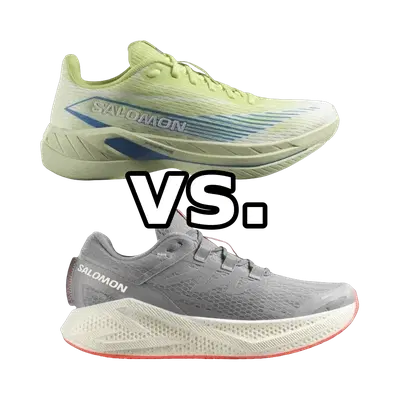
Salomon Spectur 2 vs Mizuno Wave Revolt 3:
Which to Choose
Verdict
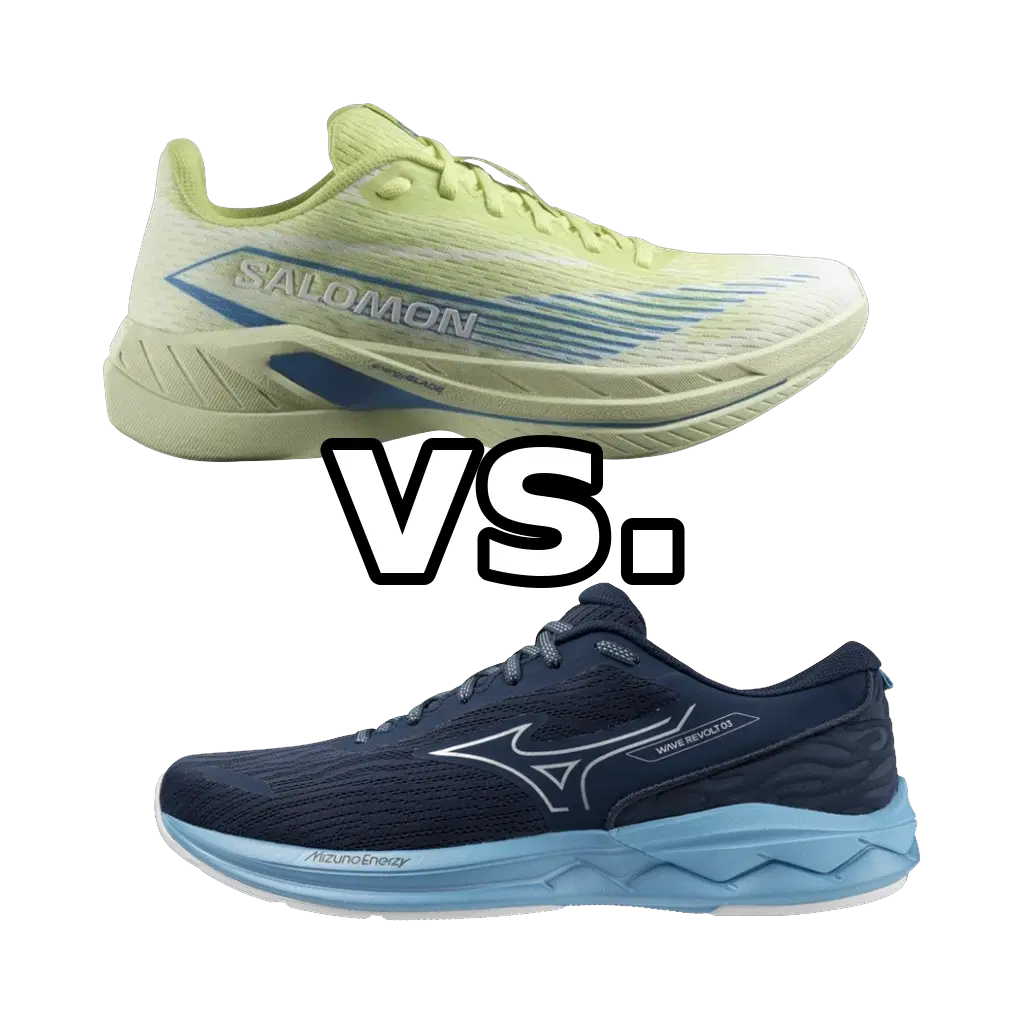
These are genuinely close shoes serving the same runner, so there's no wrong answer — the decision hinges on ride character, not capability. Go Salomon Spectur 2 if you want a slightly more versatile, forward-rolling ride that tolerates faster days; go Mizuno Wave Revolt 3 if you want a firmer, more structured and planted feel for long, steady mileage. Beyond that, let fit be the tiebreaker: try both on, because the upper and foot-hold that suits your foot will matter more than any spec on paper.
Pace
3 of 6
Cushioning
4 of 6
Responsiveness
3 of 6
Stability
4 of 6
Drop
8 mm
Support
Neutral
Plate
Composite
Distances
10KHalfMarathon
Pace
3 of 6
Cushioning
4 of 6
Responsiveness
3 of 6
Stability
4 of 6
Drop
8 mm
Support
Neutral
Plate
Composite
Distances
10KHalfMarathon
At a Glance
Salomon Spectur 2Mizuno Wave Revolt 3
Who Should Choose Each Shoe
Choose
Salomon Spectur 2
Choose the Salomon Spectur 2 if you want a single dependable trainer that still has a little life in it when you decide to pick up the pace — the Energy Blade's gentle forward assist and slightly broader fast end make it the better fit for a beginner-to-intermediate runner who mixes steady base miles with the occasional faster half-marathon effort. It also suits runners who like a snugger, more performance-oriented foot-hold and a ride that rolls you forward rather than just cushioning the landing. If your sweet spot is controlled half-marathon pacing and you value a touch of versatility, this is the pick.
Choose
Mizuno Wave Revolt 3
Choose the Mizuno Wave Revolt 3 if your priority is a planted, structured, set-it-and-forget-it trainer for long, controlled efforts and high weekly mileage. The Wave plate's impact-spreading structure gives an especially composed, secure feel underfoot, and the durable outsole is built to keep logging months of steady 10K-to-marathon training — ideal for a recreational runner who values stability and longevity over any sense of snap. If you run at a consistent rhythm and never really chase turnover, its firmer, grounded ride will feel more reassuring than the Salomon's forward nudge.
Head-to-Head
Start with how closely these two line up: both are neutral trainers with an 8mm heel-to-toe drop, both sit around a moderate ~34mm heel stack, both carry a cushioning rating of 4/6, and both use a composite element rather than a carbon plate. Neither is a racer — push either much past roughly 5:00/km and the foam starts to feel flat. The meaningful split is what that composite element is there to do. In the Spectur 2, Salomon's Energy Blade insert is tuned for mild propulsion — a gentle forward assist that nudges transitions along, which shows up in a slightly wider usable pace range (it stays effective down to about 4:45/km). The Wave Revolt 3's molded Wave plate does the opposite job: it spreads impact and adds structure for a planted, composed landing, lending stability rather than push-off, and its quickest comfortable effort tops out nearer 5:00–5:15/km. The foams reinforce that character — Salomon's Energy Surge EVA gives a balanced, honest roll with a hint of forward help, while Mizuno's Enerzy foam feels moderately soft but firm and grounded, rewarding a smooth cadence over an aggressive drive. Both wear breathable engineered-mesh uppers built for distance, and both are built for longevity rather than lightness; the Revolt 3 in particular leans on a durable rubber outsole aimed squarely at high-mileage grinding. Net: the Spectur is the marginally more rolling, versatile ride, the Revolt the more structured, locked-down one.

© 2026 longrunshoes.ai | All rights reserved.
Use of materials from this site is permitted only with proper attribution and a link to longrunshoes.ai.