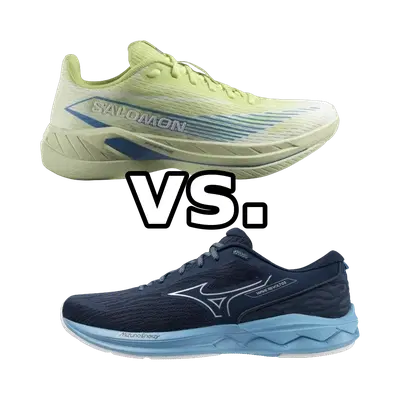
Salomon Spectur 2 vs Mizuno Wave Prodigy 6:
Which to Choose
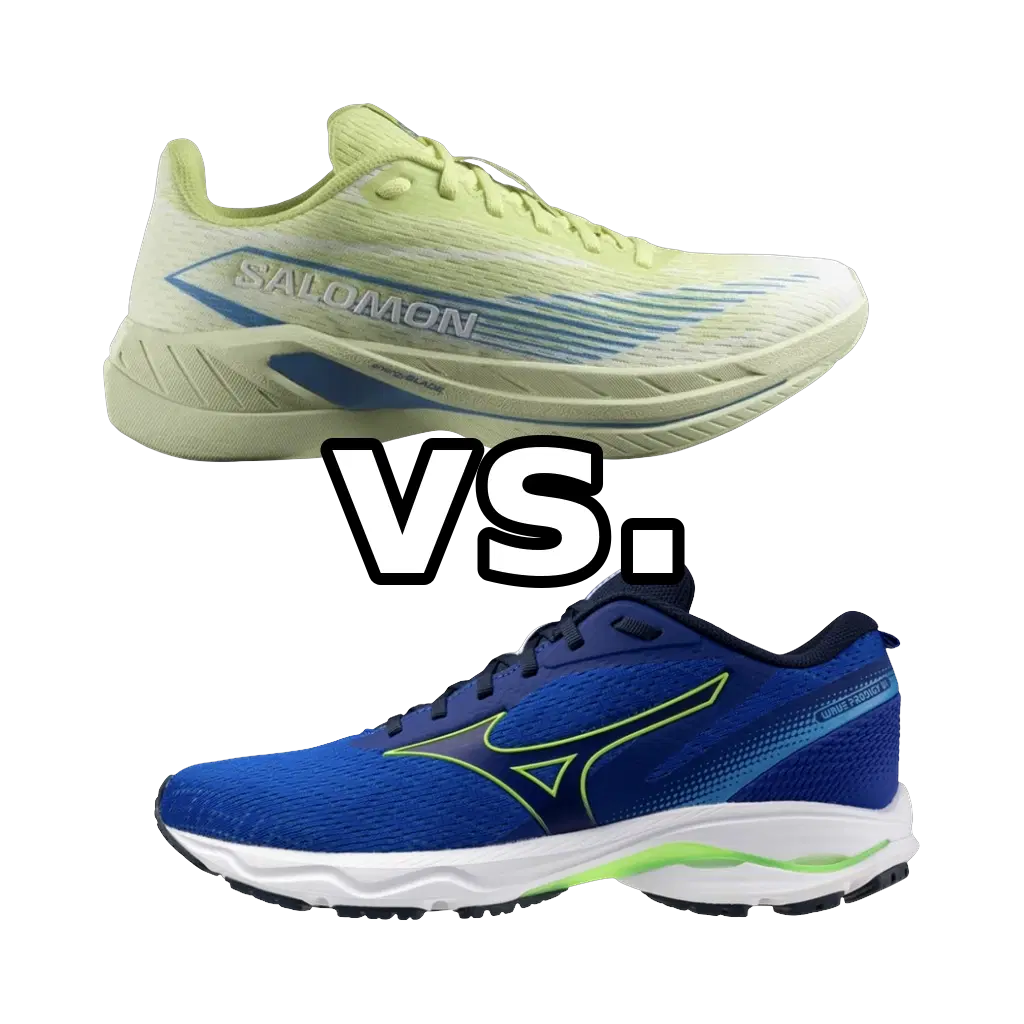
Verdict
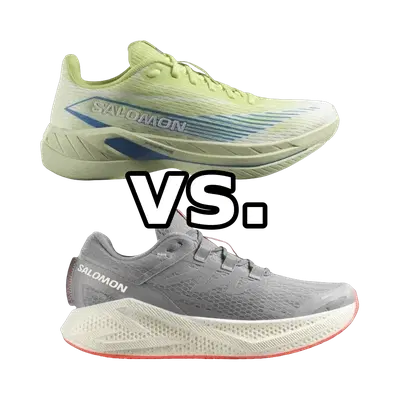
These two are genuinely close — same purpose, same ratings, same ideal distances — so the choice hinges on fit and feel, not capability. Go Salomon if you want the lighter shoe, a lower 8mm drop, and a slightly softer ride with a bit of forward nudge; go Mizuno if you want the taller 12mm drop and a firmer, more structured, planted platform. Try both on if you can, because for most runners the deciding factor will be which drop and foam firmness matches your stride.
Pace
3 of 6
Cushioning
4 of 6
Responsiveness
3 of 6
Stability
4 of 6
Drop
8 mm
Support
Neutral
Plate
Composite
Distances
10KHalfMarathon
Pace
3 of 6
Cushioning
4 of 6
Responsiveness
3 of 6
Stability
4 of 6
Drop
12 mm
Support
Neutral
Plate
Composite
Distances
10KHalfMarathon
At a Glance
Salomon Spectur 2Mizuno Wave Prodigy 6
Who Should Choose Each Shoe
Choose
Salomon Spectur 2
Pick the Salomon Spectur 2 if you want the lighter, slightly softer, lower-drop option — an 8mm offset suits midfoot-leaning runners or anyone who finds tall-drop trainers tip them onto their heels. It's the better choice for a runner who wants a daily workhorse with a touch of forward help from the Energy Blade for steady half-marathon efforts, without crossing into firm, old-school territory.
Choose
Mizuno Wave Prodigy 6
Choose the Mizuno Wave Prodigy 6 if you're a heel striker who benefits from the taller 12mm drop and prefers a firmer, more structured ride that stays planted and calm mile after mile. It rewards runners who like the reassuring, slightly stiff Wave-plate platform and value a durable, dependable base-building trainer over a lighter, springier one — especially if a firm, grounded feel has worked for you before.
Head-to-Head
Start with geometry, because that's the clearest difference. The Spectur 2 runs an 8mm heel-to-toe drop, while the Wave Prodigy 6 sits at a taller 12mm — a meaningfully higher ramp that favors a committed heel strike and takes more load off the calves and Achilles, where the Salomon's lower offset keeps the stride a touch more natural and midfoot-friendly. Their foams pull in opposite directions too: Salomon's Energy Surge EVA reads medium-soft with a grounded but slightly more forgiving landing, while Mizuno's Enerzy foam is firm-leaning and protective, giving a planted, predictable ride. Neither is springy — both rate responsiveness 3/6 and both go flat if you push past roughly 4:45 min/km — and the composite inserts tell that story: the Spectur 2's Energy Blade adds mild forward assist to keep you ticking over, whereas the Prodigy's signature Wave plate is primarily a stabilizing, structuring element that broadens the platform and tidies transitions rather than handing energy back. On weight, the Salomon is the lighter of the two and the Mizuno noticeably heavier, which reinforces their characters: the Spectur 2 feels a hair more willing to roll forward, the Prodigy 6 more substantial and structured. Stack heights are broadly similar in the mid-30s at the heel, so the real levers are drop, foam firmness, and that weight gap — not overall cushioning volume.

© 2026 longrunshoes.ai | All rights reserved.
Use of materials from this site is permitted only with proper attribution and a link to longrunshoes.ai.