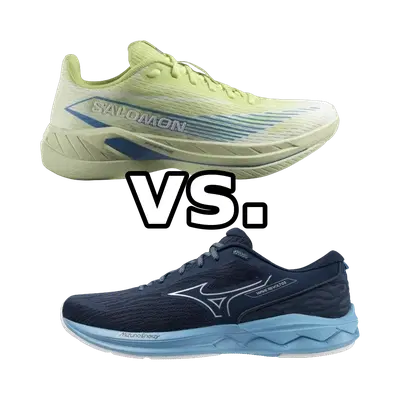
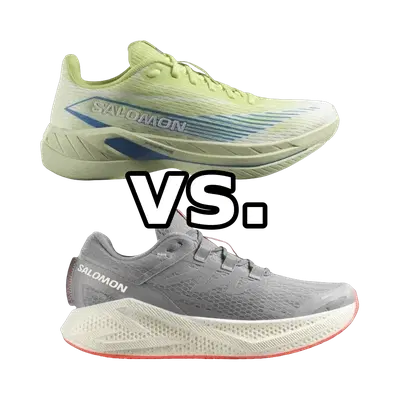
Salomon Spectur 2 vs Mizuno Wave Ultima 16:
Which to Choose
Verdict
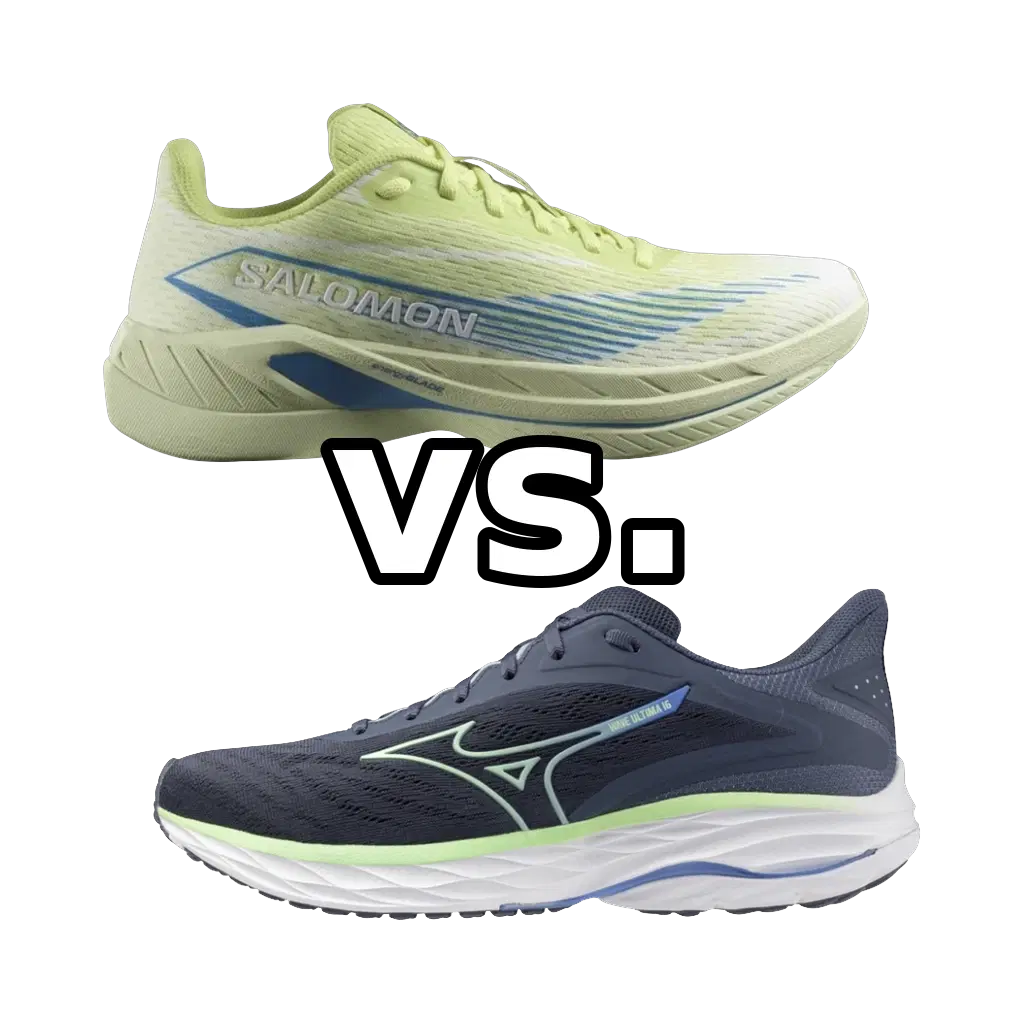
These are genuinely close shoes aimed at the same runner, so the choice hinges on fit and feel rather than capability. Go Salomon Spectur 2 for a lighter, lower-drop (8mm), neutral ride; go Mizuno Wave Ultima 16 for a firmer, higher-drop (12mm) ride with a bit more built-in support. If you're unsure, let drop preference and your pronation needs be the tiebreaker — both will handle your weekly mileage and half-marathon efforts reliably.
Pace
3 of 6
Cushioning
4 of 6
Responsiveness
3 of 6
Stability
4 of 6
Drop
8 mm
Support
Neutral
Plate
Composite
Distances
10KHalfMarathon
Pace
3 of 6
Cushioning
4 of 6
Responsiveness
3 of 6
Stability
4 of 6
Drop
12 mm
Support
Stable Neutral
Plate
Composite
Distances
10KHalfMarathon
At a Glance
Salomon Spectur 2Mizuno Wave Ultima 16
Who Should Choose Each Shoe
Choose
Salomon Spectur 2
Choose the Salomon Spectur 2 if you want the lighter, more nimble of the two for steady 10K-to-marathon training and prefer a lower 8mm drop that keeps the ride feeling natural and relatively flat underfoot. Its medium-soft EVA and neutral platform suit beginners and intermediate runners building aerobic base who want one dependable workhorse, and the lighter weight makes it the easier pick if you rack up long miles and notice heft late in a run.
Choose
Mizuno Wave Ultima 16
Choose the Mizuno Wave Ultima 16 if you prefer a firmer, more controlled ride and want a touch more structure from the composite Wave plate, especially if you're a neutral-to-mildly-overpronating runner who values stability over softness. The taller 12mm drop will feel natural if you're a committed heel-striker or are coming from traditional high-drop trainers, and the stable-neutral platform rewards runners who settle into a consistent tempo on long, steady efforts rather than chasing surges.
Head-to-Head
On paper these two are near-twins: pace 3/6, cushioning 4/6, responsiveness 3/6, and stability 4/6 across the board, with the half marathon as the stated sweet spot for each. The differences that actually separate them are physical. The biggest is drop: the Spectur 2 runs an 8mm heel-to-toe offset, while the Wave Ultima 16 sits at a steeper 12mm — a more traditional, heel-biased geometry that many longtime trainers will find familiar, versus the slightly flatter, more neutral stance of the Salomon. Weight is the other clear split: the Spectur 2 is the lighter shoe at roughly 246g for a men's 9, while the Wave Ultima 16 is noticeably heavier at around 285g, so the Mizuno asks a little more of your legs over a long effort even though both platforms carry similar heel stack height. Ride character diverges too. The Spectur 2's Energy Surge EVA is medium-soft with a grounded, predictable landing and a mild forward nudge from its composite Energy Blade, while the Wave Ultima 16's Enerzy foam is firmer and more controlled, with the signature composite Wave plate broadening the base and structuring transitions rather than adding spring. That gives the Mizuno a slightly more supportive, stable-neutral feel — useful for neutral-to-mildly-overpronating runners — against the Salomon's straightforwardly neutral setup. Neither is bouncy or explosive; push either past a steady effort and you'll feel the foam run flat. In short, both are honest, hardworking cruisers, but the Salomon is the lighter, lower-drop, more neutral option and the Mizuno is the firmer, higher-drop, marginally more supportive one.

© 2026 longrunshoes.ai | All rights reserved.
Use of materials from this site is permitted only with proper attribution and a link to longrunshoes.ai.