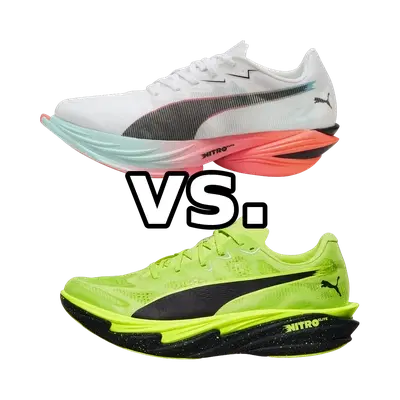
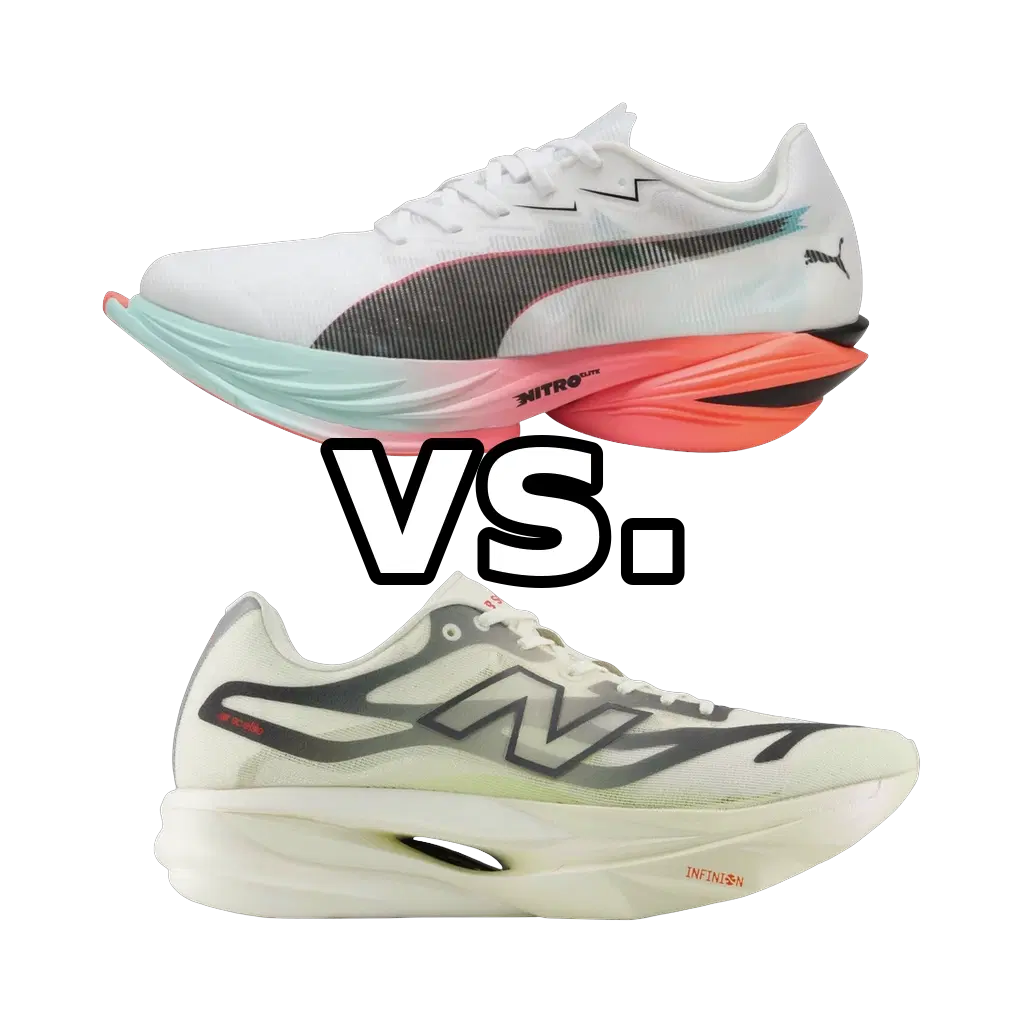
Puma Fast-R Nitro Elite 3 vs New Balance FuelCell SuperComp Elite v6:
Which to Choose
Verdict
These are two of a kind, so it comes down to feel and weight rather than capability. Go Puma Fast-R Nitro Elite 3 for the lighter shoe and a bouncier, more spring-loaded PEBA ride; go New Balance SuperComp Elite v6 for a firmer, more aggressive ride, a touch more top-end speed, and the extra flexibility to race a 10K as well as the longer stuff. Either will race well — pick the ride character you trust at full effort.
Pace
6 of 6
Cushioning
5 of 6
Responsiveness
6 of 6
Stability
2 of 6
Drop
9 mm
Support
Neutral
Plate
Carbon
Distances
HalfMarathon
Pace
6 of 6
Cushioning
5 of 6
Responsiveness
6 of 6
Stability
2 of 6
Drop
8 mm
Support
Neutral
Plate
Carbon
Distances
10KHalfMarathon
At a Glance
Puma Fast-R Nitro Elite 3New Balance FuelCell SuperComp Elite v6
Who Should Choose Each Shoe
Choose
Puma Fast-R Nitro Elite 3
Choose the Puma Fast-R Nitro Elite 3 if your priority is the lightest possible race-day weapon with a big, bouncy, PEBA-driven pop off the forefoot. It's the better pick for a committed half-marathon or marathon specialist who wants maximum energy return and that eager, spring-loaded rocker feel, and who runs confidently enough to manage the tippy split-midsole platform. Experienced front-of-pack racers coming from other PEBA super shoes will feel right at home.
Choose
New Balance FuelCell SuperComp Elite v6
Choose the New Balance FuelCell SuperComp Elite v6 if you want a slightly more versatile racer that reaches down to 10K as well as the half and marathon, and if you prefer a firm, propulsive, controlled ride over a springy one. The aggressive forefoot plate and midfoot cutout suit an efficient, precise runner who likes a shoe that feels planted and fast at the top end of their range rather than overtly bouncy. It's the natural upgrade for anyone coming off a previous SuperComp Elite and wanting a lighter, sharper version of that firm-and-lively feel.
Head-to-Head
Start with how close these two are: identical in our metric profile (pace 6/6, responsiveness 6/6, cushioning 5/6, stability a deliberately low 2/6, neutral support, carbon plate), with near-identical stacks — the New Balance runs 40mm heel / 32mm forefoot and the Puma 39mm / 31mm — and moderate, roughly matched drops around 8mm. Both use a decoupled geometry that makes the platform tippy at easy pace and only settles once you're at race effort. The clearest hard difference is weight: the Fast-R is one of the lightest super shoes made at roughly 170g (men's ~size 9), while the SuperComp Elite v6 sits around 190g (men's 9.5) — a real, felt gap over a marathon even accounting for the size difference. The ride character also diverges. The Puma's Nitro Elite PEBA foam and split rear midsole read as bouncy and eager, snapping back hard with a pronounced rockered toe-off. The New Balance's Infinion supercritical TPEE/A-TPU foam is firm-and-lively rather than springy, with a midfoot cutout and an exposed forefoot plate that make it ride more aggressively than its numbers suggest — it rewards a precise, efficient footstrike. On range, the SuperComp Elite v6 stretches a little further, comfortable from the 10K up through the marathon and tuned for a slightly faster window (roughly 2:55–3:15 min/km) versus the Puma's half-and-marathon focus around 3:00–3:20 min/km. Both lean on gossamer mesh uppers that trade durability for grams, so neither is a do-everything shoe.
Similar Comparisons
Adidas Adizero Adios Pro 4 vs New Balance FuelCell SuperComp Elite v6
Nike Alphafly 3 vs Puma Fast-R Nitro Elite 3
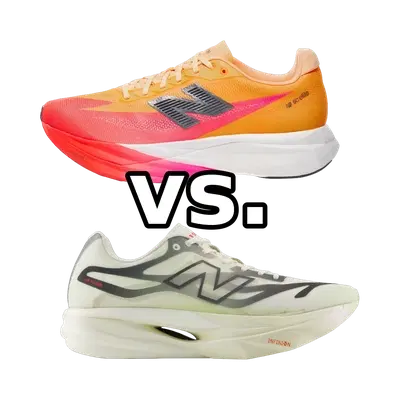
New Balance FuelCell SuperComp Elite v5 vs New Balance FuelCell SuperComp Elite v6
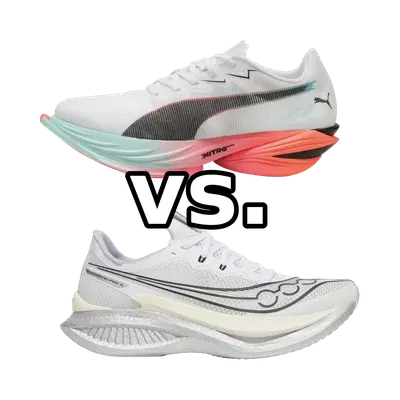
Puma Fast-R Nitro Elite 3 vs Saucony Endorphin Pro 5
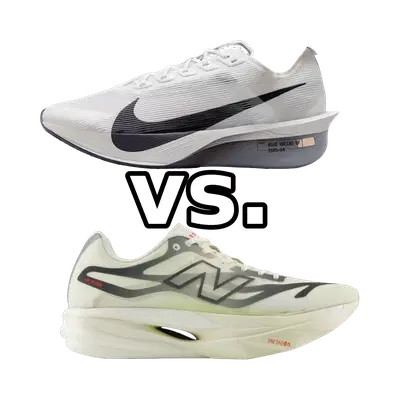
Nike Vaporfly 4 vs New Balance FuelCell SuperComp Elite v6
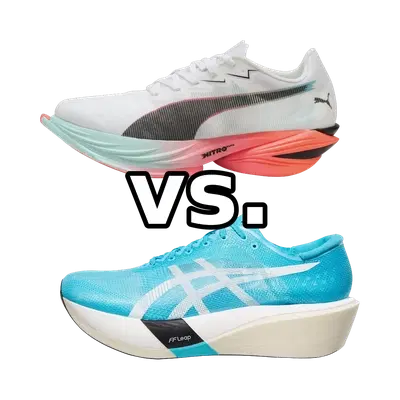
Puma Fast-R Nitro Elite 3 vs Asics Metaspeed Edge Tokyo
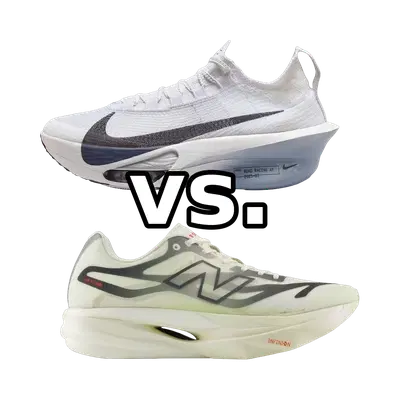
Nike Alphafly 3 vs New Balance FuelCell SuperComp Elite v6
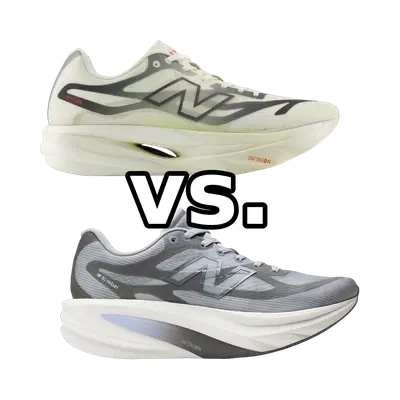
New Balance FuelCell SuperComp Elite v6 vs New Balance FuelCell SuperComp Rebel
© 2026 longrunshoes.ai | All rights reserved.
Use of materials from this site is permitted only with proper attribution and a link to longrunshoes.ai.