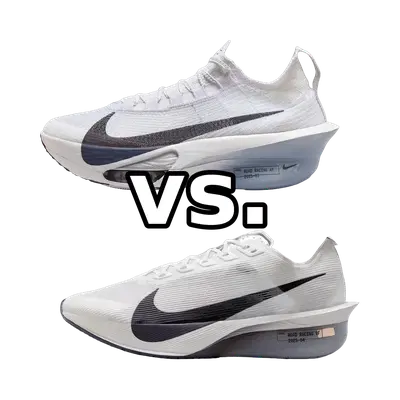
Nike Alphafly 3 vs Puma Fast-R Nitro Elite 3:
Which to Choose
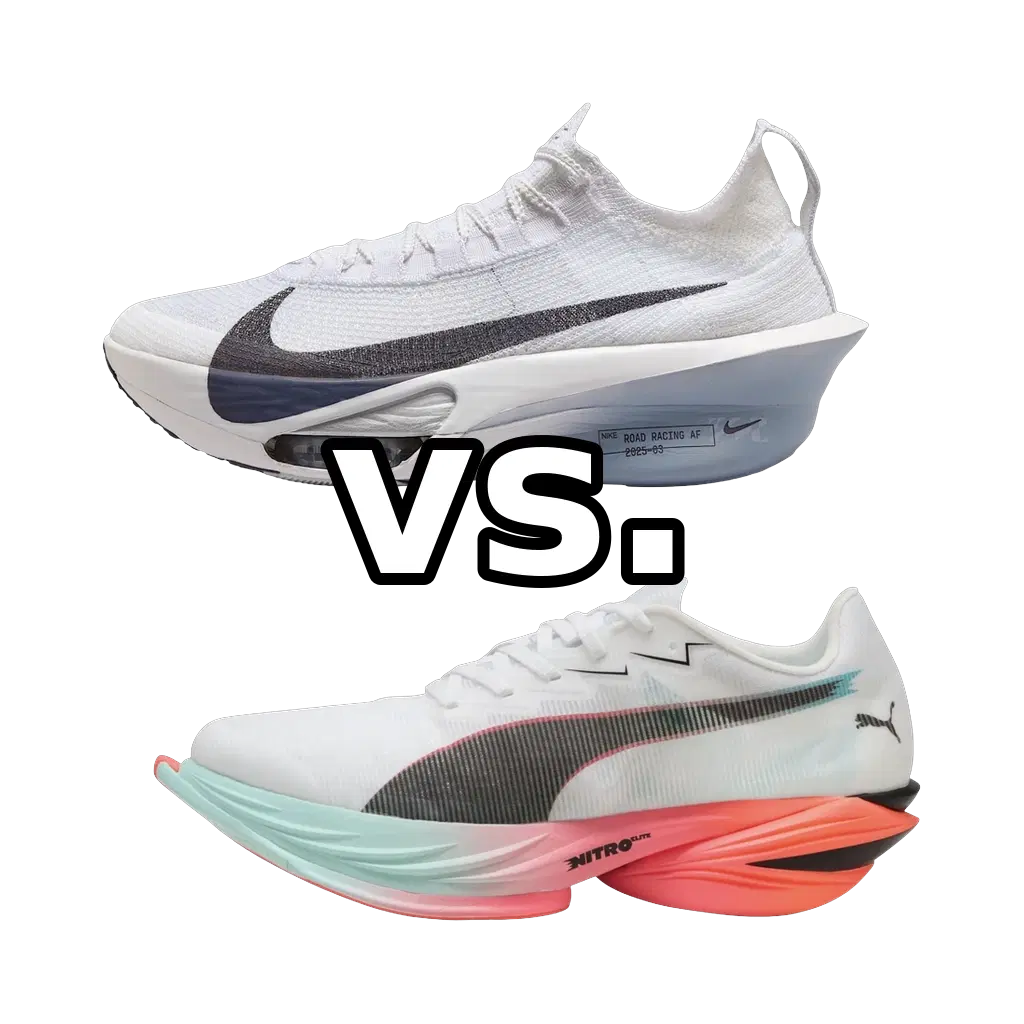
Verdict
It genuinely depends — but on ride and distance, not on which is "better." Both are elite, neutral, carbon-plated racers for committed fast runners, so pick the Alphafly 3 for its softer, deeply cushioned bounce and marathon-long protection, or the lighter, firmer, snappier Fast-R Nitro Elite 3 if you want a more direct, rockered feel and you're sharpest over the half. Soft and forgiving versus light and firm is the call that decides it.
Pace
6 of 6
Cushioning
5 of 6
Responsiveness
6 of 6
Stability
2 of 6
Drop
8 mm
Support
Neutral
Plate
Carbon
Distances
HalfMarathon
Pace
6 of 6
Cushioning
5 of 6
Responsiveness
6 of 6
Stability
2 of 6
Drop
9 mm
Support
Neutral
Plate
Carbon
Distances
HalfMarathon
At a Glance
Nike Alphafly 3Puma Fast-R Nitro Elite 3
Who Should Choose Each Shoe
Choose
Nike Alphafly 3
Choose the Alphafly 3 if your target race is the full marathon and you want a shoe whose cushioned, trampoline-like bounce keeps your legs intact through the final 10K. It suits heavier or heel-biased fast runners and anyone who prefers a soft, forgiving landing under all that propulsion, and it's the natural pick if you've raced previous Alphafly or Vaporfly models and like Nike's signature springy, slightly tall ride.
Choose
Puma Fast-R Nitro Elite 3
Choose the Fast-R Nitro Elite 3 if you want the lighter shoe and a firmer, more direct, rockered ride that rewards a quick, forefoot-driven cadence — especially for the half marathon, where it's at its best. It fits efficient, confident runners who like to feel the plate snap underfoot rather than sink into foam, and who prioritize a low-swing-weight, aggressively propulsive platform over maximum plushness.
Head-to-Head
On paper these two are almost twins — both neutral, both low on stability, both with elite responsiveness and a full-length carbon plate, both living in the same 3:00–3:20 min/km racing zone. The stacks are effectively matched at the top of what's legal: the Alphafly 3 sits at 40mm heel / 32mm forefoot, the Fast-R Nitro Elite 3 at 39mm / 31mm, with near-identical moderate racing drops (8mm for the Nike, a touch steeper on the Puma). The first real separator is weight: the Puma is the lighter shoe, at roughly 170g in a men's size 9 versus about 198g for the Alphafly — a meaningful gap you'll feel over the back half of a long race. The bigger difference is ride character. The Alphafly's ZoomX foam plus its twin forefoot Air Zoom pods give a soft, deeply bouncy, almost trampoline-like pop at toe-off — propulsive but with a cushioned, forgiving landing that protects the legs late in a marathon. The Fast-R runs firmer and snappier: its Nitro Elite PEBA and PWRPLATE sit in a decoupled, split-stack geometry that feels aggressively rockered and eager to roll you forward, trading some of the Nike's plushness for a more direct, rhythmic turnover. Both platforms are genuinely tippy at jogging pace and only settle once you commit to race effort, so neither is forgiving of a passive stride. The last axis is intended distance: both cover half and full marathon, but the Alphafly's cushioned bounce makes the marathon its sweet spot, while the Fast-R's firmer, quicker feel shines most at the half, where you're holding a sharp, high-cadence rhythm. On durability, both wear faster than a trainer thanks to soft race foams and thin outsoles — the Puma in particular is a short-mileage specialist — so both should be reserved for key sessions and races.
Similar Comparisons
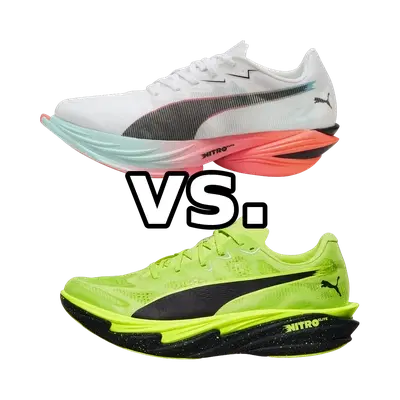
Puma Fast-R Nitro Elite 3 vs Puma Deviate Nitro Elite 4
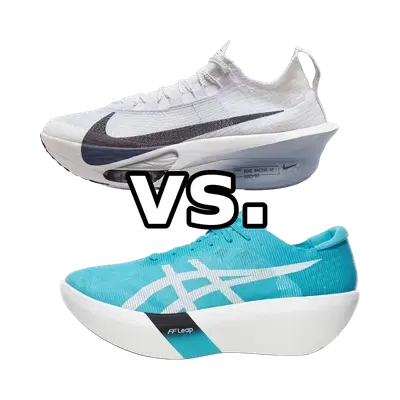
Nike Alphafly 3 vs Asics Metaspeed Ray
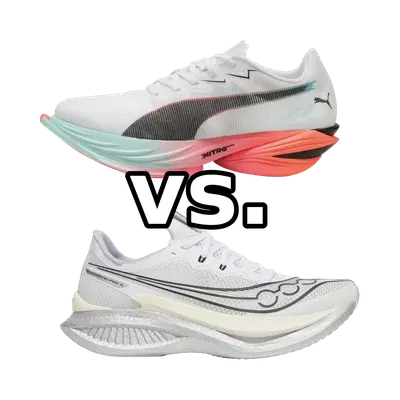
Puma Fast-R Nitro Elite 3 vs Saucony Endorphin Pro 5
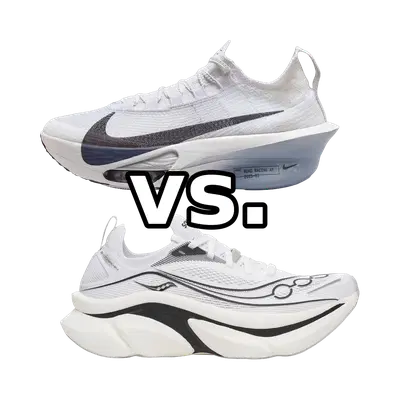
Nike Alphafly 3 vs Saucony Endorphin Elite 3
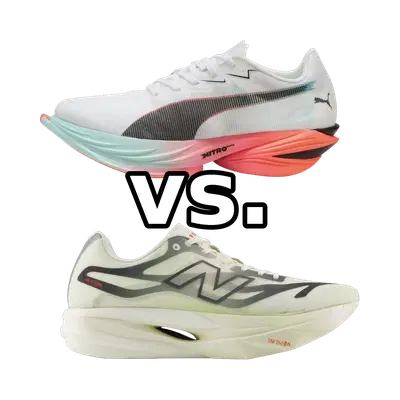
Puma Fast-R Nitro Elite 3 vs New Balance FuelCell SuperComp Elite v6

Nike Alphafly 3 vs Brooks Hyperion Elite 5
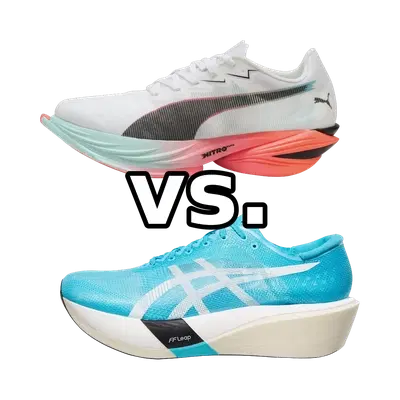
Puma Fast-R Nitro Elite 3 vs Asics Metaspeed Edge Tokyo
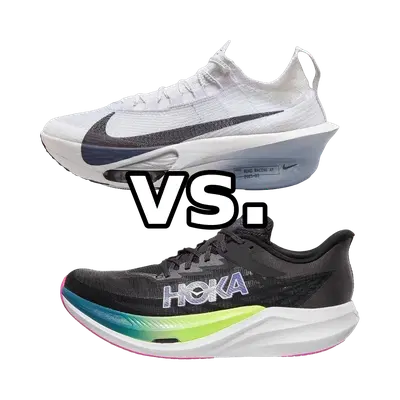
Nike Alphafly 3 vs Hoka Rocket X 3
© 2026 longrunshoes.ai | All rights reserved.
Use of materials from this site is permitted only with proper attribution and a link to longrunshoes.ai.