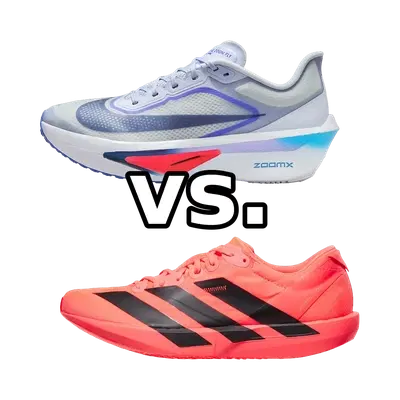
Nike Zoom Fly 6 vs Nike Streakfly 2:
Which to Choose
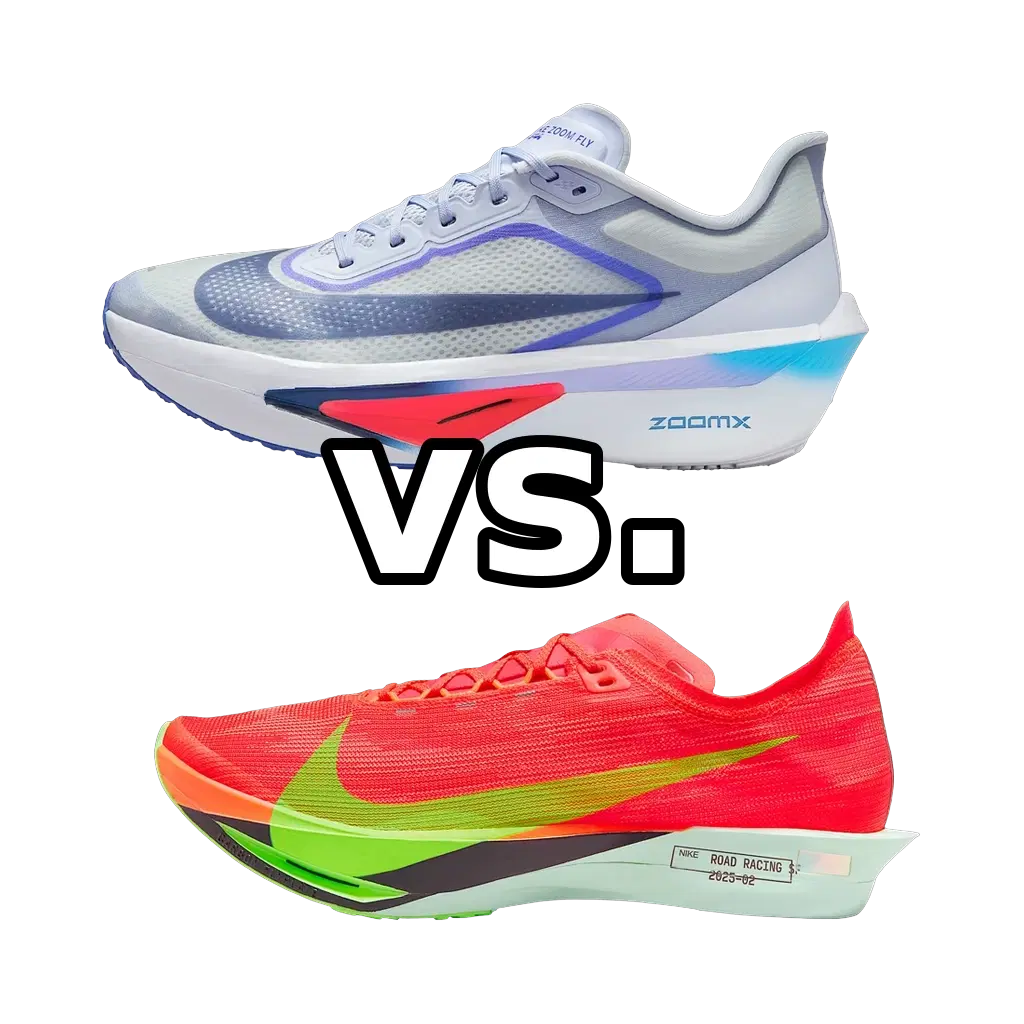
Verdict
It comes down to race distance. For the half and marathon, where cushioning and the carbon plate's propulsion matter over the long haul, the Zoom Fly 6 is the clear buy; for the 5K and short, flat-out 10K efforts, the far lighter, lower, more nimble Streakfly 2 wins. They genuinely overlap only at 10K — and even there, pick the Zoom Fly if you value protection and leg preservation, the Streakfly if you want the lightest, snappiest tool for a hard, fast effort.
Pace
5 of 6
Cushioning
5 of 6
Responsiveness
5 of 6
Stability
3 of 6
Drop
8 mm
Support
Neutral
Plate
Carbon
Distances
10KHalfMarathon
Pace
5 of 6
Cushioning
4 of 6
Responsiveness
5 of 6
Stability
3 of 6
Drop
4 mm
Support
Neutral
Plate
Composite
Distances
5K10K
At a Glance
Nike Zoom Fly 6Nike Streakfly 2
Who Should Choose Each Shoe
Choose
Nike Zoom Fly 6
Choose the Zoom Fly 6 if your goals live at the half and full marathon and you want one plated shoe that covers tempo runs, uptempo long runs, and race day without the fragility of a pure racer. The tall 40mm ZoomX stack and carbon plate reward experienced recreational runners who settle into a rhythm and hold it, and the extra cushioning pays off exactly when the Streakfly would leave your legs exposed — in the back half of a long race. It's the pick if you want protection and propulsion over distance rather than the lightest possible shoe.
Choose
Nike Streakfly 2
Choose the Streakfly 2 if you're a club runner or experienced recreational racer chasing 5K and 10K PBs on the track or road and want the lightest, most direct connection to the ground. At 144g with a low 26/22mm stack, it comes alive on your forefoot at genuinely fast turnover and feels most at home in the 3:30–3:50 min/km range where its short-distance nature is a feature, not a limit. Skip it if you want easy-day comfort or anything approaching marathon cushioning — its minimal build trades durability and plushness for raw speed.
Head-to-Head
The clearest split is build and heft: the Zoom Fly 6 weighs 248g and sits on a tall 40/32mm stack with an 8mm drop, while the Streakfly 2 weighs just 144g on a low 26/22mm stack with a 4mm drop. That's over 100g and roughly 14mm of heel stack separating them, and you feel every bit of it — the Zoom Fly gives you a tall, springy, protective platform with real pop for grinding out long, sustained efforts, whereas the Streakfly keeps you close to the ground for a quick, snappy, forefoot-driven transition with far less cushion between you and the road. Propulsion differs too: the Zoom Fly 6 uses a full-length carbon Flyplate that creates a distinct forward tip and rewards picking up the pace, while the Streakfly 2 relies on a composite shank rather than a carbon plate, keeping its ride quick but noticeably more flexible and natural. Both are neutral shoes scoring the same on stability (3/6), but their instability shows up differently — the Zoom Fly's tall stack can wobble side-to-side at slow jogging speeds, while the Streakfly's low, minimal platform stays honest at speed but offers nothing in the way of support. On use case they overlap only at 10K: the Zoom Fly 6 shines across 10K, half, and marathon with the half as its sweet spot and a tempo zone around 3:50–4:15 min/km, while the Streakfly 2 peaks at the 5K, firing best down around 3:30–3:50 min/km and running out of cushioning long before marathon distance. One shoe protects you over long miles; the other disappears underfoot for short, flat-out racing.
Similar Comparisons
Nike Streakfly 2 vs Mizuno Wave Rebellion Flash 2
Nike Zoom Fly 6 vs Asics Magic Speed 4
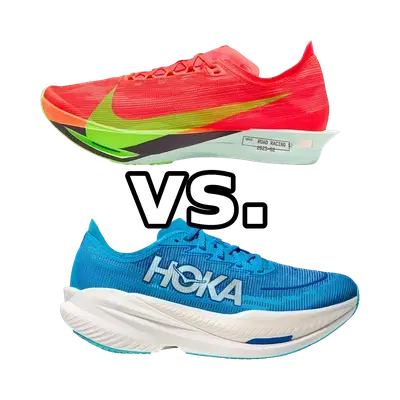
Nike Streakfly 2 vs Hoka Mach X 2
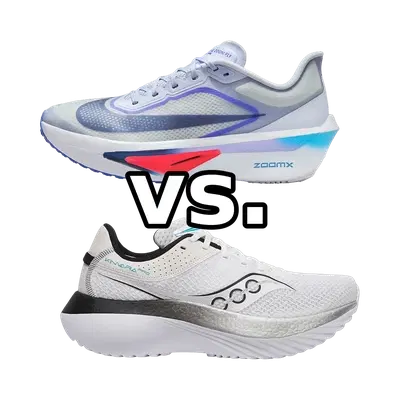
Nike Zoom Fly 6 vs Saucony Kinvara Pro
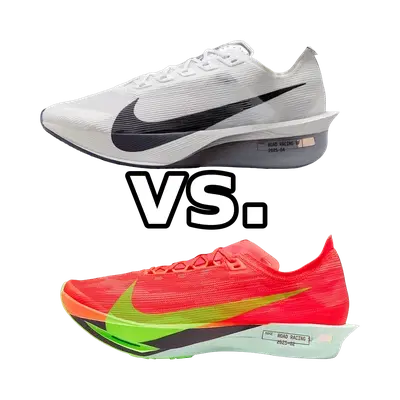
Nike Vaporfly 4 vs Nike Streakfly 2
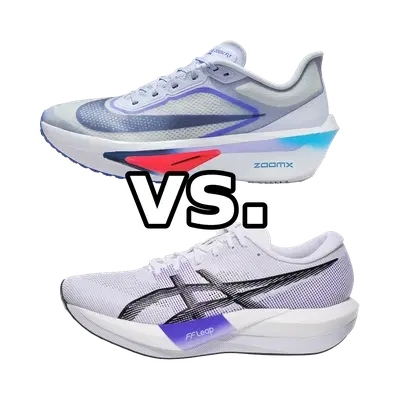
Nike Zoom Fly 6 vs Asics Magic Speed 5
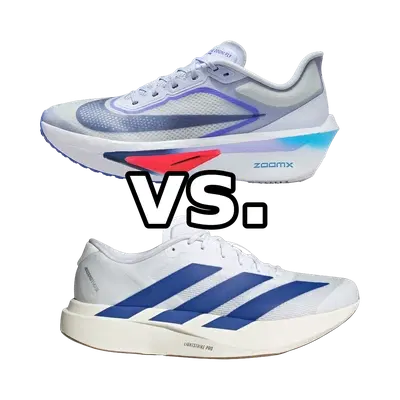
Nike Zoom Fly 6 vs Adidas Adizero Evo SL
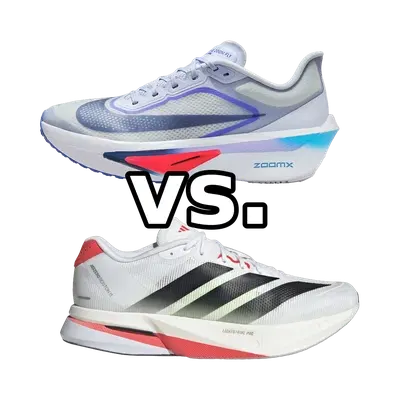
Nike Zoom Fly 6 vs Adidas Adizero Boston 13
© 2026 longrunshoes.ai | All rights reserved.
Use of materials from this site is permitted only with proper attribution and a link to longrunshoes.ai.