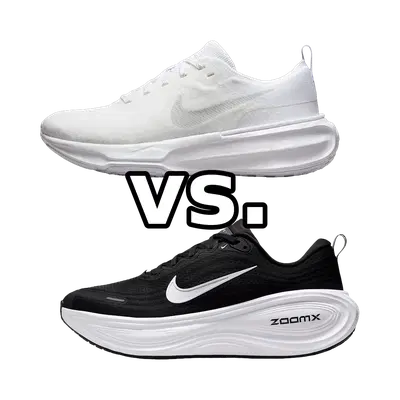
Nike Vomero Plus vs Nike Pegasus Plus 2:
Which to Choose
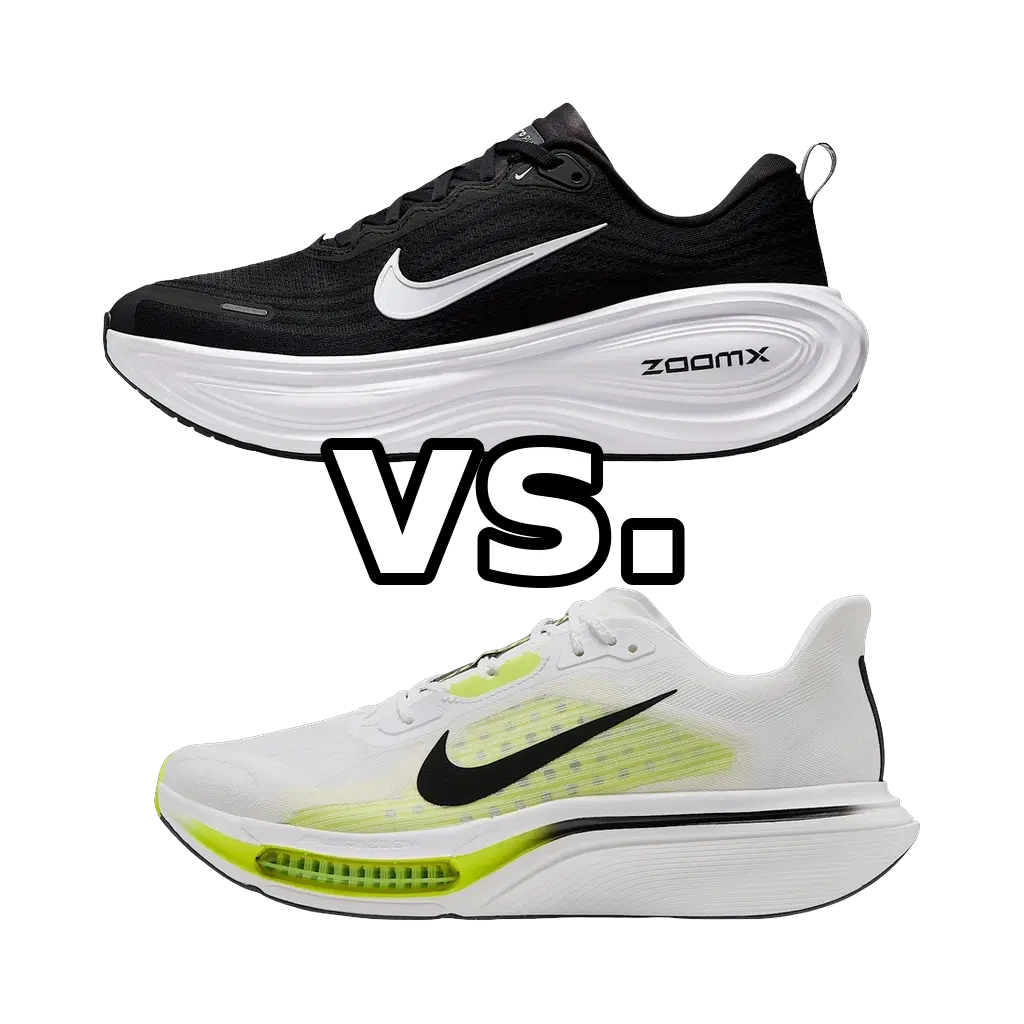
Verdict
It genuinely depends — on what you want the shoe to do, not on which is "better." Pick the Vomero Plus for comfort, maximum cushioning, and steady easy mileage; pick the Pegasus Plus 2 if you value a lighter, springier, rocker-driven ride that rewards picking up the pace. If you run mostly slow and long, go Vomero; if you run mostly fast or want one shoe that can flex from tempo to half-marathon, go Pegasus.
Pace
3 of 6
Cushioning
6 of 6
Responsiveness
5 of 6
Stability
4 of 6
Drop
10 mm
Support
Neutral
Plate
None
Distances
10KHalf
Pace
5 of 6
Cushioning
5 of 6
Responsiveness
5 of 6
Stability
3 of 6
Drop
10 mm
Support
Neutral
Plate
None
Distances
5K10KHalf
At a Glance
Nike Vomero PlusNike Pegasus Plus 2
Who Should Choose Each Shoe
Choose
Nike Vomero Plus
Choose the Vomero Plus if your week is built around easy runs, recovery jogs, and long comfortable miles where plush protection matters more than pace. It's the better pick for heavier runners or anyone who wants a forgiving, max-cushion cruiser that stays stable despite its tall stack, and it handles 10K and half distances fine at a conversational effort. If you've loved soft daily trainers and have a separate shoe for your fast days, this is the one to add.
Choose
Nike Pegasus Plus 2
Choose the Pegasus Plus 2 if you want a single, versatile shoe for fast daily miles, intervals, and tempo work rather than slow recovery jogs. The lighter build, forefoot Air unit, and rocker reward runners chasing turnover and road-race sharpness from 5K to the half, with the 10K as its sweet spot. It's the smarter buy for intermediate-to-experienced runners who'd rather have one quick, lively trainer than a dedicated plush cruiser — provided you're comfortable with a slightly less planted feel at easy paces.
Head-to-Head
The clearest split is cushioning versus speed. The Vomero Plus sits on a towering 42/33 mm stack of full-length ZoomX and weighs 285 g (men's US 9), giving it maximum underfoot protection but a ride that feels heavy the moment you try to surge — Nike rates its sweet spot around a relaxed 5:30–6:30 min/km. The Pegasus Plus 2 is both lower and lighter, with a 38/28 mm stack and roughly 252 g on the same scale, and it adds two things the Vomero lacks: an exposed forefoot Air Zoom unit and a mild rocker. Those give it a snappier, rolling toe-off that genuinely comes alive at fast paces (its efficient zone is roughly 3:45–4:00 min/km), which is why its pace rating (5/6) comfortably outstrips the Vomero's (3/6). Neither shoe has a plate, and both use the same soft, lively ZoomX foam, so the family resemblance in bounce is real — but the Vomero channels that foam into plush, forgiving comfort while the Pegasus channels it into propulsion. The drops are nearly identical (9 mm vs 10 mm), so that's a non-factor. Stability tips slightly toward the Vomero (4/6 vs 3/6): its broader, taller platform transitions surprisingly steadily for its height, whereas the Pegasus's tall-but-soft stack feels a touch tippy at jogging speeds and only settles once you're moving quickly. In short, the Vomero is more cushioned and more planted but slower; the Pegasus is lighter, springier, and faster but less protective and less composed at easy effort.
Similar Comparisons
Nike Pegasus Plus vs Nike Pegasus Plus 2

Hoka Bondi 9 vs Nike Vomero Plus

Adidas Adizero Evo SL vs Nike Pegasus Plus 2
Asics Gel-Kayano 32 vs Nike Vomero Plus
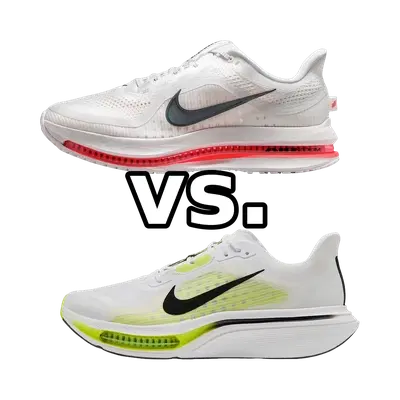
Nike Pegasus Premium vs Nike Pegasus Plus 2
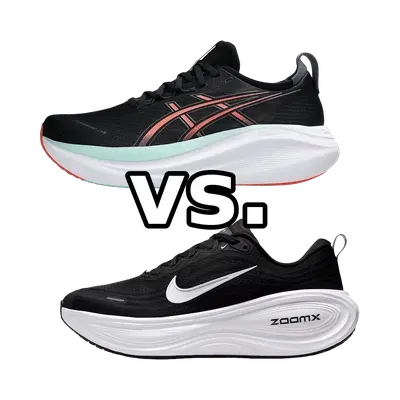
Asics Gel-Nimbus 27 vs Nike Vomero Plus
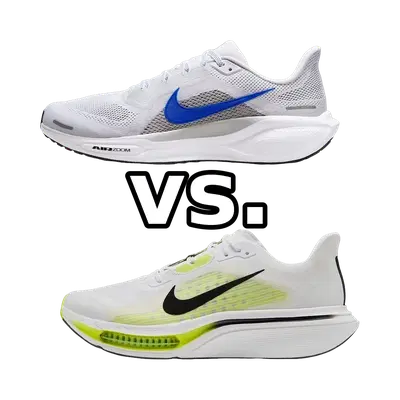
Nike Pegasus 41 vs Nike Pegasus Plus 2

Adidas Adizero Boston 13 vs Nike Vomero Plus
© 2026 longrunshoes.ai | All rights reserved.
Use of materials from this site is permitted only with proper attribution and a link to longrunshoes.ai.