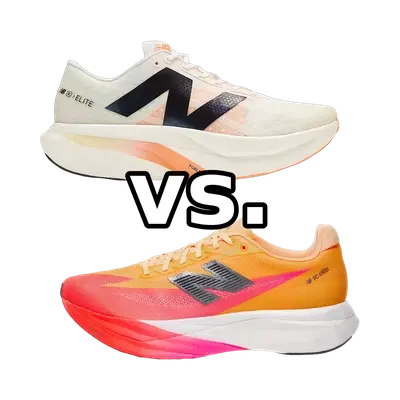
New Balance FuelCell SuperComp Elite v4 vs New Balance FuelCell SuperComp Elite v6:
Which to Choose
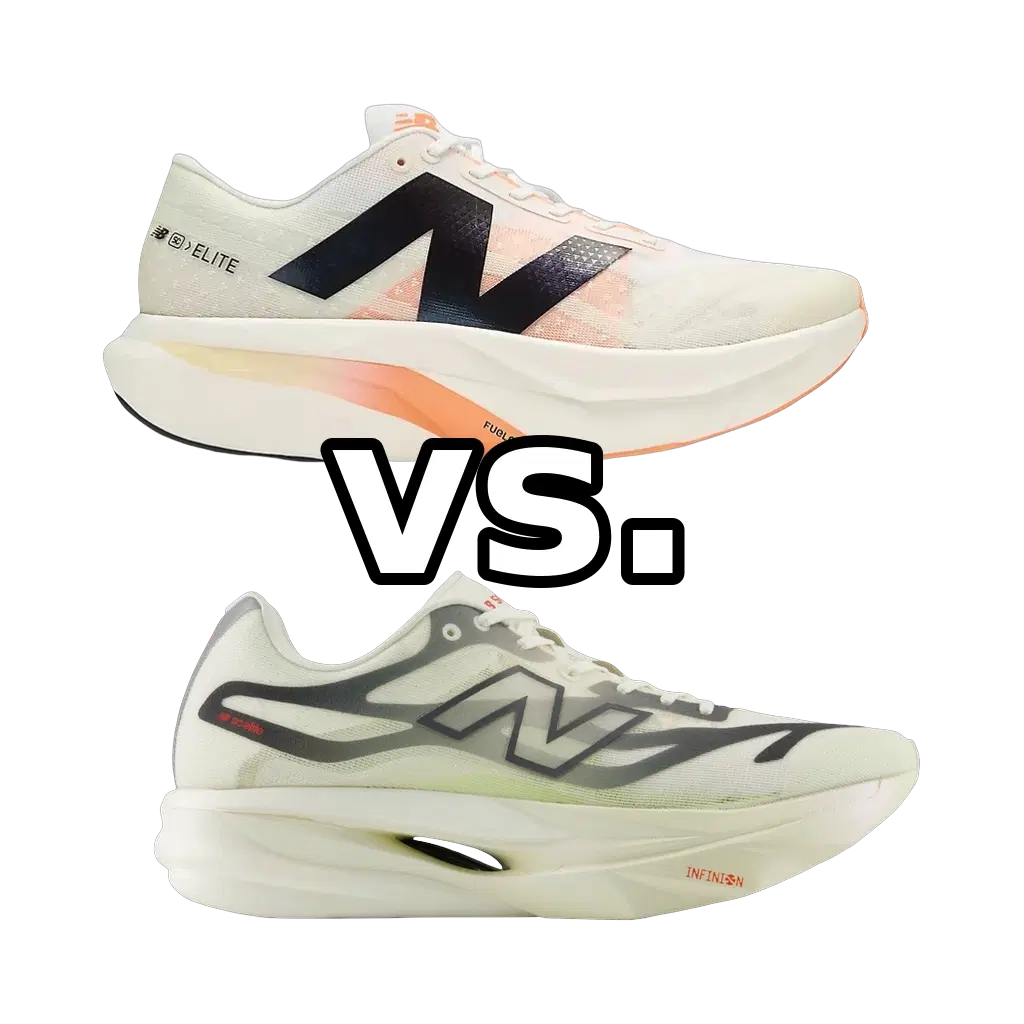
Verdict
Both are elite race-day tools built for the same fast runner, so it comes down to ride preference and distance. Go v4 for a softer, deeper-cushioned, lower-drop marathon ride; go v6 for a lighter, firmer, snappier shoe with a steeper drop and broader range from the 10K up. If you want plush protection over 26.2, pick the v4; if you want maximum pop and minimum weight across more distances, the v6 is the more modern, more versatile racer.
Pace
6 of 6
Cushioning
6 of 6
Responsiveness
6 of 6
Stability
2 of 6
Drop
4 mm
Support
Neutral
Plate
Carbon
Distances
HalfMarathon
Pace
6 of 6
Cushioning
5 of 6
Responsiveness
6 of 6
Stability
2 of 6
Drop
8 mm
Support
Neutral
Plate
Carbon
Distances
10KHalfMarathon
At a Glance
New Balance FuelCell SuperComp Elite v4New Balance FuelCell SuperComp Elite v6
Who Should Choose Each Shoe
Choose
New Balance FuelCell SuperComp Elite v4
Choose the v4 if you want the softer, plusher, more cushioned ride of the two and your target is the full marathon, where its maximum-cushion PEBA stack and smooth rolling geometry pay off over hours on the feet. The lower 4 mm drop suits runners who prefer a flatter, roll-through toe-off and who find snappy, firm racers harsh late in a long effort. It's the pick for a committed marathoner who prioritizes deep, protective cushioning over outright lightness.
Choose
New Balance FuelCell SuperComp Elite v6
Choose the v6 if you want the lighter, firmer, more explosive shoe — around 190 g with an 8 mm drop and a quick-snapping supercritical foam that rewards an efficient, forward footstrike. Its added versatility makes it the better call if you race across a wider span, from a sharp 10K up through the half (its sweet spot) and marathon, rather than only the longest distances. It fits the runner who likes a propulsive, firm-and-lively feel and an aggressive rocker over soft, high-volume cushioning.
Head-to-Head
On paper the two are close relatives: both are neutral racers with maximum pace and responsiveness ratings, a low 2/6 stability score, a full-length carbon plate, and the same 40 mm heel stack — and both share the same personality quirk of feeling tippy, stiff, and unsettled at easy jogging paces, only snapping to life when you commit to genuine race effort. The differences start at the forefoot. The v4 runs a 36 mm forefoot for a low 4 mm drop, giving a smoother, flatter, roll-forward toe-off; the v6 drops to a 32 mm forefoot for a more aggressive 8 mm offset, and with its exposed forefoot plate and midfoot cutout it rides even more aggressively than that number suggests. Underfoot they feel different, too: the v4's PEBA-based FuelCell stack is tall, soft, and springy with a pronounced forward roll and maximum (6/6) cushioning that stays protective deep into a marathon, while the v6's Infinion supercritical TPEE/A-TPU foam is firm-and-lively rather than plush — high (5/6) cushioning that snaps back quickly rather than wallowing. Weight is the other clear separator: the v6 is markedly lighter at around 190 g against the v4's 230 g, trimming mass while adding the Energy ARC plate and midfoot cutout. The v6 also stretches its usable range down to the 10K, whereas the v4 is squarely a half-and-full specialist. Both share a gossamer racing mesh upper and the limited durability that comes with soft, tall, speed-first construction.
Similar Comparisons
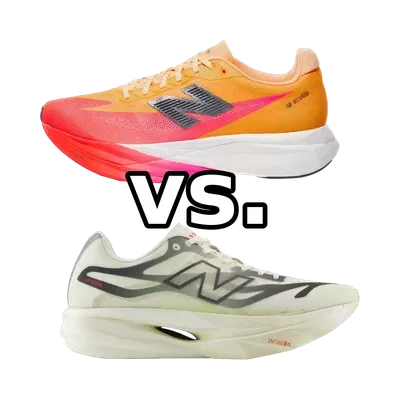
New Balance FuelCell SuperComp Elite v5 vs New Balance FuelCell SuperComp Elite v6
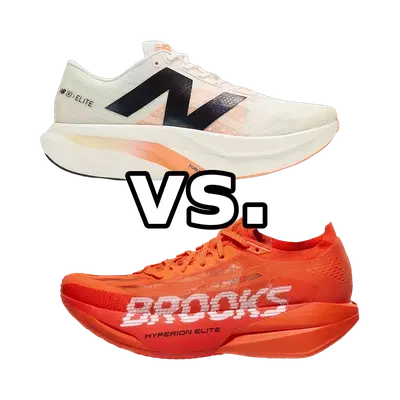
New Balance FuelCell SuperComp Elite v4 vs Brooks Hyperion Elite 6
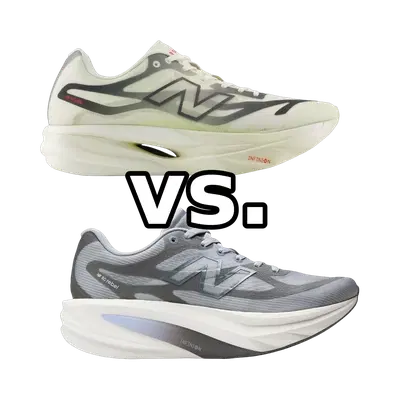
New Balance FuelCell SuperComp Elite v6 vs New Balance FuelCell SuperComp Rebel
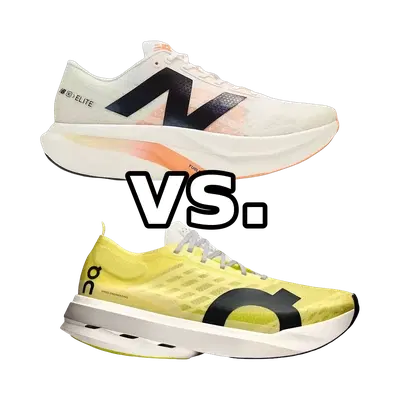
New Balance FuelCell SuperComp Elite v4 vs On Cloudboom Strike
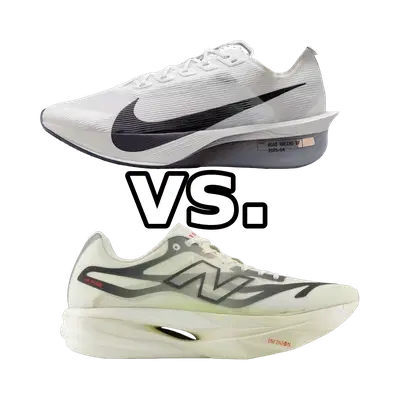
Nike Vaporfly 4 vs New Balance FuelCell SuperComp Elite v6
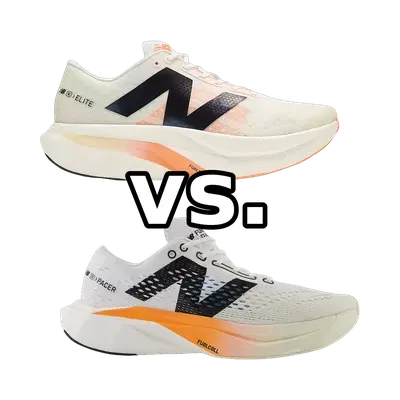
New Balance FuelCell SuperComp Elite v4 vs New Balance FuelCell SuperComp Pacer v2
Adidas Adizero Adios Pro 4 vs New Balance FuelCell SuperComp Elite v6
Nike Alphafly 3 vs New Balance FuelCell SuperComp Elite v4
© 2026 longrunshoes.ai | All rights reserved.
Use of materials from this site is permitted only with proper attribution and a link to longrunshoes.ai.