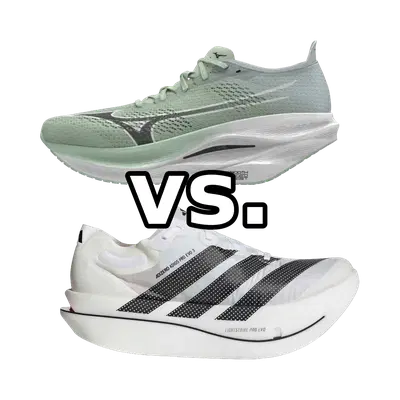
Mizuno Wave Rebellion Pro 3 vs Asics Metaspeed Ray:
Which to Choose
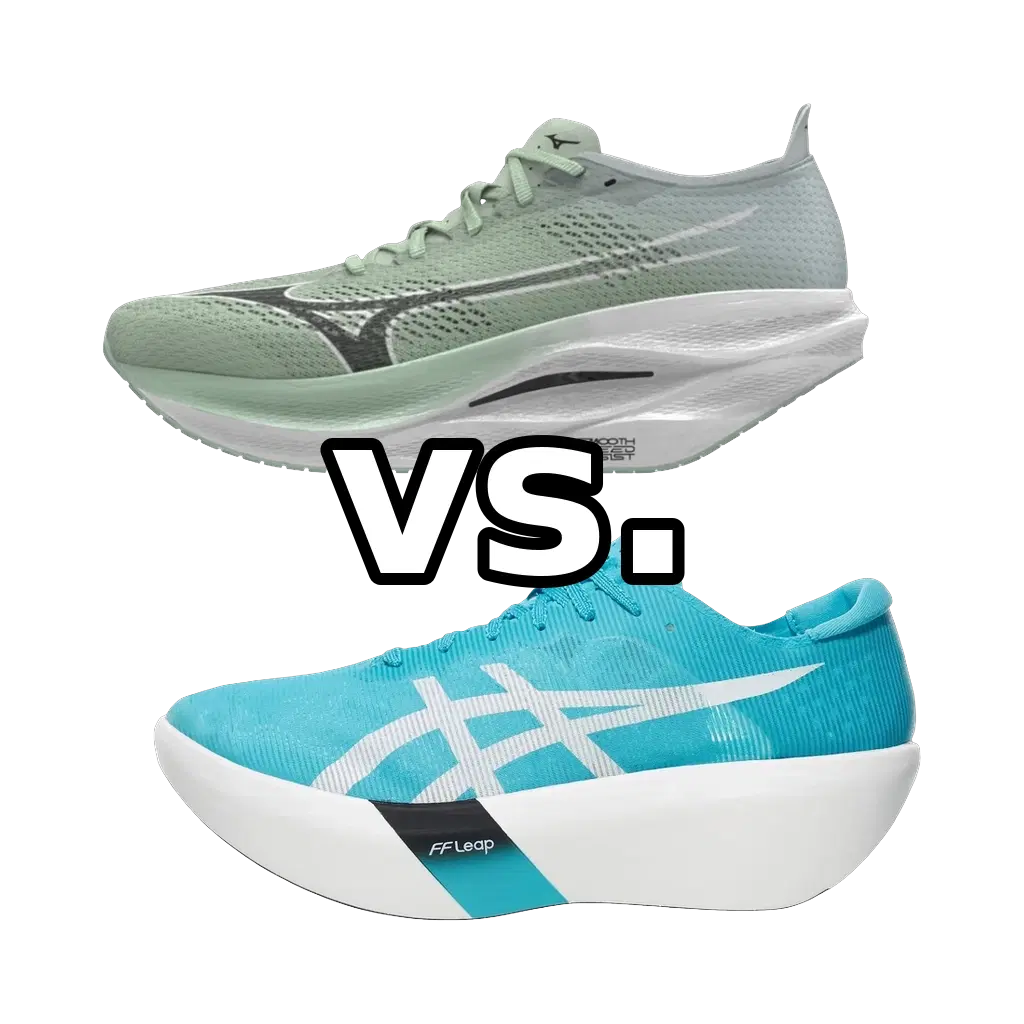
Verdict
These are peers, not opposites — both are elite, unstable, forefoot-biased marathon rockets for the same fast runner. The decision comes down to how you like to be moved: the Metaspeed Ray for the lightest possible build and a sharp, self-driven bounce with a flexible forefoot, or the Wave Rebellion Pro 3 for an aggressive full-length-plate rocker and heel geometry that tips and rolls you forward. Pick lightness and flex, or pick propulsive rocker — and confirm fit in person, since both run thin.
Pace
6 of 6
Cushioning
5 of 6
Responsiveness
6 of 6
Stability
1 of 6
Drop
4 mm
Support
Neutral
Plate
Carbon
Distances
HalfMarathon
Pace
6 of 6
Cushioning
5 of 6
Responsiveness
6 of 6
Stability
1 of 6
Drop
5 mm
Support
Neutral
Plate
Carbon
Distances
HalfMarathon
At a Glance
Mizuno Wave Rebellion Pro 3Asics Metaspeed Ray
Who Should Choose Each Shoe
Choose
Mizuno Wave Rebellion Pro 3
Choose the Wave Rebellion Pro 3 if you want a shoe that actively does the work of driving you forward — the full-length plate plus the cut-off smart-heel geometry create an aggressive, rolling rocker that rewards a committed midfoot strike and a relentless pace. It suits the marathoner who likes a forceful, momentum-carrying ride and a bit more foam underfoot to protect the forefoot in the back half of a race, and who isn't fussed about carrying the extra weight.
Choose
Asics Metaspeed Ray
Choose the Metaspeed Ray if raw lightness is your priority and you want the least shoe possible between you and the road — at roughly 129g it's dramatically lighter, with a firm, sharp FF Leap bounce and a three-quarter plate that leaves some natural forefoot flex. It's the better pick for the efficient, high-cadence runner who generates their own propulsion and wants a feathery, eager platform rather than an aggressive rocker doing the steering, and who can reliably hold sub-3:20 min/km pace to keep the tippy ride tracking straight.
Head-to-Head
The single biggest difference is weight. The Metaspeed Ray is one of the lightest super shoes ever built at roughly 129g in a men's US 9, while the Wave Rebellion Pro 3 lands around 218g — a gap of nearly 90g that you feel on every turnover late in a marathon. That weight gap stems from how each shoe is constructed. The Ray strips everything back: a woven MATRYX upper and a three-quarter, forefoot-biased carbon plate that saves mass and leaves a touch of flex in the forefoot, riding on firm-yet-lively FF Leap (aliphatic TPU) foam that springs back sharply the instant you load it. The Mizuno takes the opposite approach to propulsion: a full-length carbon plate locked into bouncier Enerzy Lite+ superfoam, driven by its signature cut-off "smart heel" — an aggressively beveled, shortened heel that physically tips you onto your midfoot for a hard rolling, rockered stride. So the Ray feels feathery and eager with a quick, snappy bounce, while the Rebellion Pro 3 feels more forcefully propulsive and momentum-driven once it's rolling. The rest is close to a wash: drop is effectively the same (4mm vs 5mm), both are high-cushion but firm race platforms rather than plush, both are rated maximum for responsiveness, and both are genuinely tippy and unstable at easy paces — neutral shoes that demand solid form and punish slowing down. Both also share the super-shoe durability caveat: thin, pared-back race uppers that wear quickly and shouldn't be your daily miles, with the Ray's extreme minimalism sacrificing the most longevity of the two.
Similar Comparisons
Nike Alphafly 3 vs Asics Metaspeed Ray
Mizuno Wave Rebellion Flash 2 vs Mizuno Wave Rebellion Pro 3
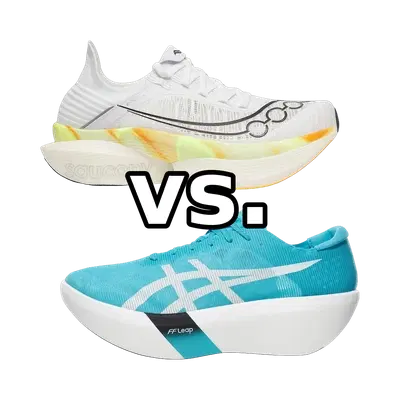
Saucony Endorphin Elite 2 vs Asics Metaspeed Ray
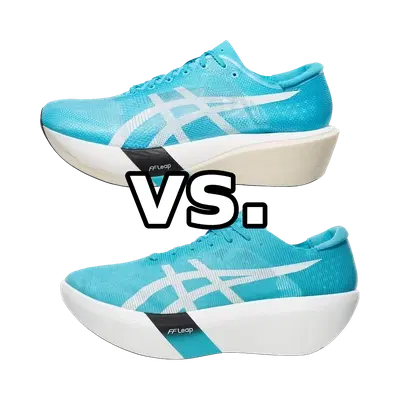
Asics Metaspeed Edge Tokyo vs Asics Metaspeed Ray
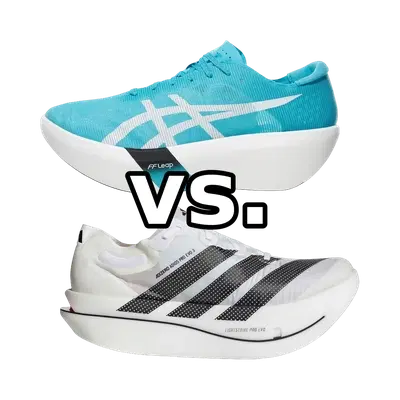
Asics Metaspeed Ray vs Adidas Adizero Adios Pro Evo 3
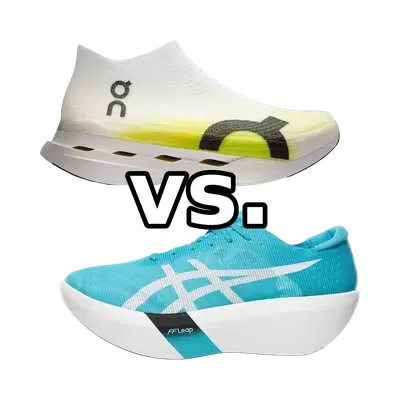
On Cloudboom Strike LS vs Asics Metaspeed Ray
© 2026 longrunshoes.ai | All rights reserved.
Use of materials from this site is permitted only with proper attribution and a link to longrunshoes.ai.