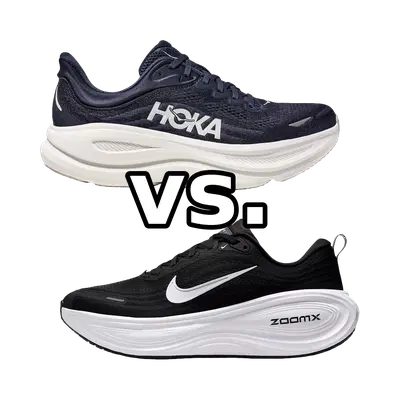
Hoka Bondi 9 vs On Cloudmonster 3:
Which to Choose
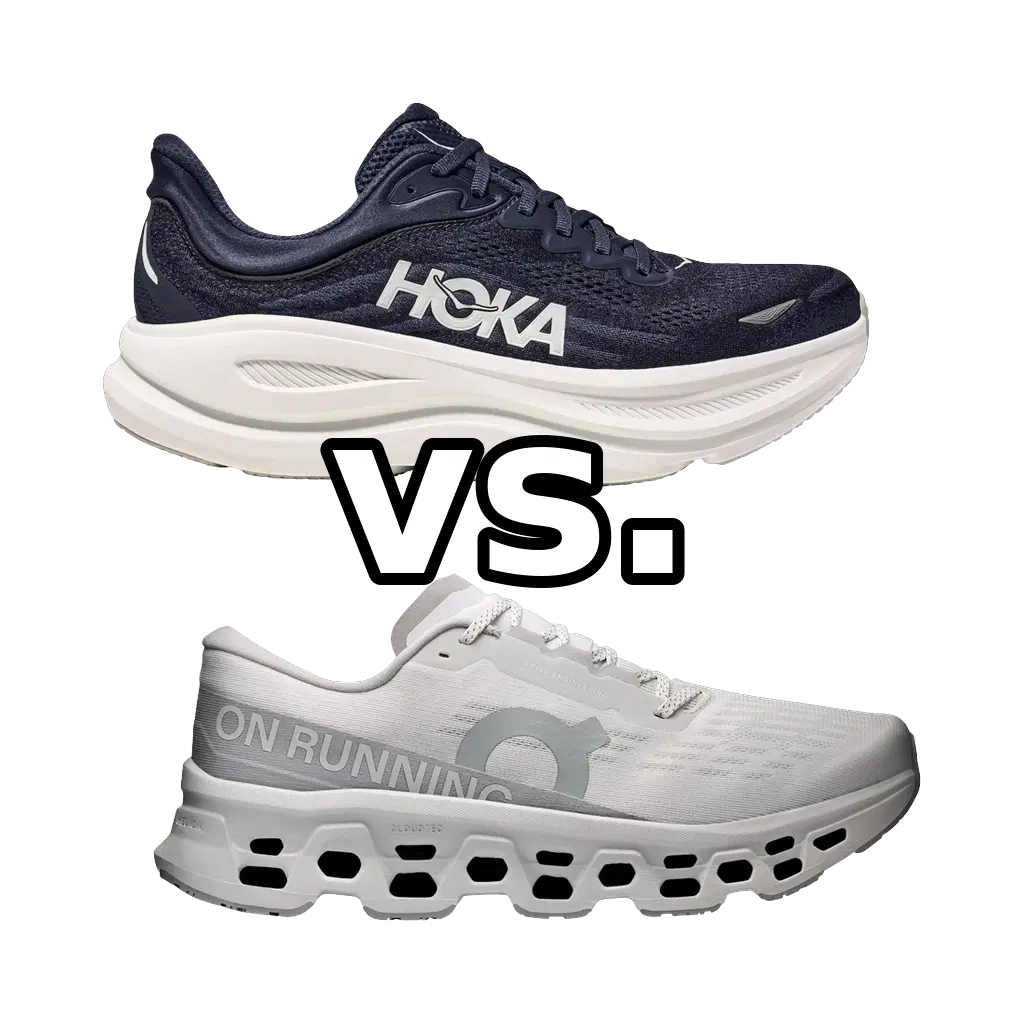
Verdict
It genuinely depends — but on feel and distance, not on which is "better." Both are heavy, stable, cushion-first trainers with similar weight and no real speed ambitions, so pick by ride character: go Bondi 9 for the softest, most forgiving landing on easy and recovery miles, and go Cloudmonster 3 for a firmer, more structured platform that stays composed on long steady runs up to the marathon. If you can, land on whichever foam feel you'd rather spend an hour on.
Pace
2 of 6
Cushioning
6 of 6
Responsiveness
3 of 6
Stability
5 of 6
Drop
5 mm
Support
Stable Neutral
Plate
None
Distances
10KHalf
Pace
3 of 6
Cushioning
5 of 6
Responsiveness
3 of 6
Stability
5 of 6
Drop
7 mm
Support
Stable Neutral
Plate
Composite
Distances
10KHalfMarathon
At a Glance
Hoka Bondi 9On Cloudmonster 3
Who Should Choose Each Shoe
Choose
Hoka Bondi 9
Choose the Bondi 9 if your priority is pure softness and joint protection on easy and recovery days — it's the better pick for beginners building volume, heavier runners, and anyone whose legs want a forgiving landing rather than a firm, mechanical one. It's ideal if you run mostly conversational 10K efforts and steady half-distance long runs at relaxed paces and never ask the shoe to accelerate. If your current trainer feels too firm or harsh underfoot, the Bondi's plush EVA is the clearer upgrade.
Choose
On Cloudmonster 3
Choose the Cloudmonster 3 if you want a tall, protective trainer with a firm, structured, predictable ride and you log steady mileage from 10K all the way up to the marathon. It suits neutral to mildly pronating runners who prefer a composed, forward-rolling platform over a soft pillow, and who do their best work at a rolling steady pace rather than a shuffle. The Speedboard and firmer Helion foam make it the more composed choice for longer, continuous efforts where a very soft midsole would start to feel wallowy.
Head-to-Head
On the big numbers these two are closer than their brands suggest: the Bondi 9 lands around 297g in a men's US 9 and the Cloudmonster 3 around 301g, so there is no meaningful weight advantage either way — both are heavy by modern standards, and you feel the mass on both. The clearer spec gaps are geometry and foam. The Bondi runs a taller 43mm/38mm stack at a 5mm drop; the Cloudmonster sits a touch lower at 39mm/32mm with a 7mm drop, so the On tips you forward a little more while the Hoka keeps transitions flatter and more balanced. The decisive difference is foam character. The Bondi's supercritical-EVA midsole is genuinely plush and absorbent — it rates maximum cushioning and prioritizes a soft, impact-swallowing landing, which also means it feels muted and dead the moment you try to push. The Cloudmonster's Helion foam is the opposite personality: notably firm and supportive, stiffened further by a TPU Speedboard (a composite plate the Bondi doesn't have), giving a composed, almost rigid ride that rolls best at a steady clip and can feel a bit lifeless at a very slow jog. Both are planted and stable without a medial post, but they get there differently — the Bondi through a wide, soft, sidewall-cradled base, the Cloudmonster through structure and firmness. Use cases overlap at 10K and the half, but the firmer, plated Cloudmonster extends comfortably to the marathon, while the softer Bondi is happiest on easy aerobic and recovery mileage rather than long race-pace efforts.
Similar Comparisons
On Cloudmonster 2 vs On Cloudmonster 3
Hoka Bondi 9 vs Asics Gel-Nimbus 28
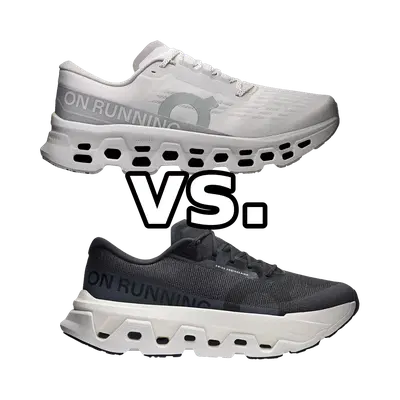
On Cloudmonster 3 vs On Cloudmonster 3 Hyper
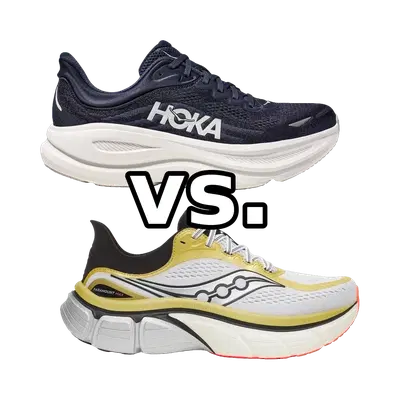
Hoka Bondi 9 vs Saucony Paramount Max
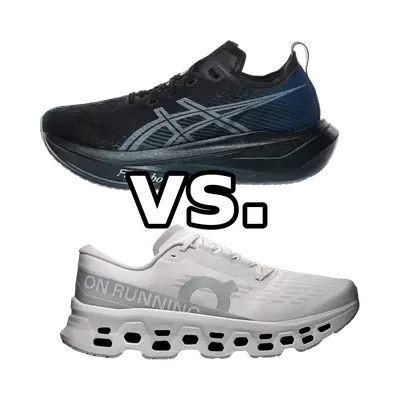
Asics Megablast vs On Cloudmonster 3
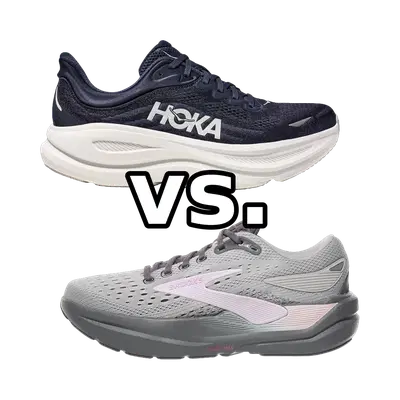
Hoka Bondi 9 vs Brooks Ghost Max 3
On Cloudmonster 2 Pleasures x The Loop vs On Cloudmonster 3
Hoka Bondi 9 vs Brooks Glycerin Max 2
© 2026 longrunshoes.ai | All rights reserved.
Use of materials from this site is permitted only with proper attribution and a link to longrunshoes.ai.