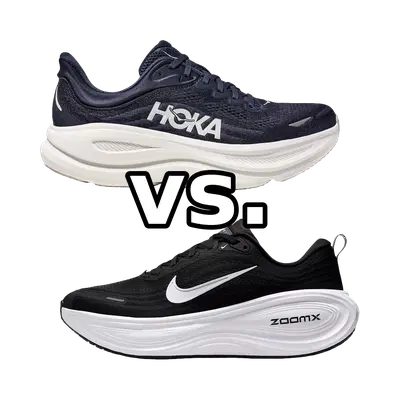
Hoka Bondi 9 vs On Cloudmonster 2:
Which to Choose
Verdict
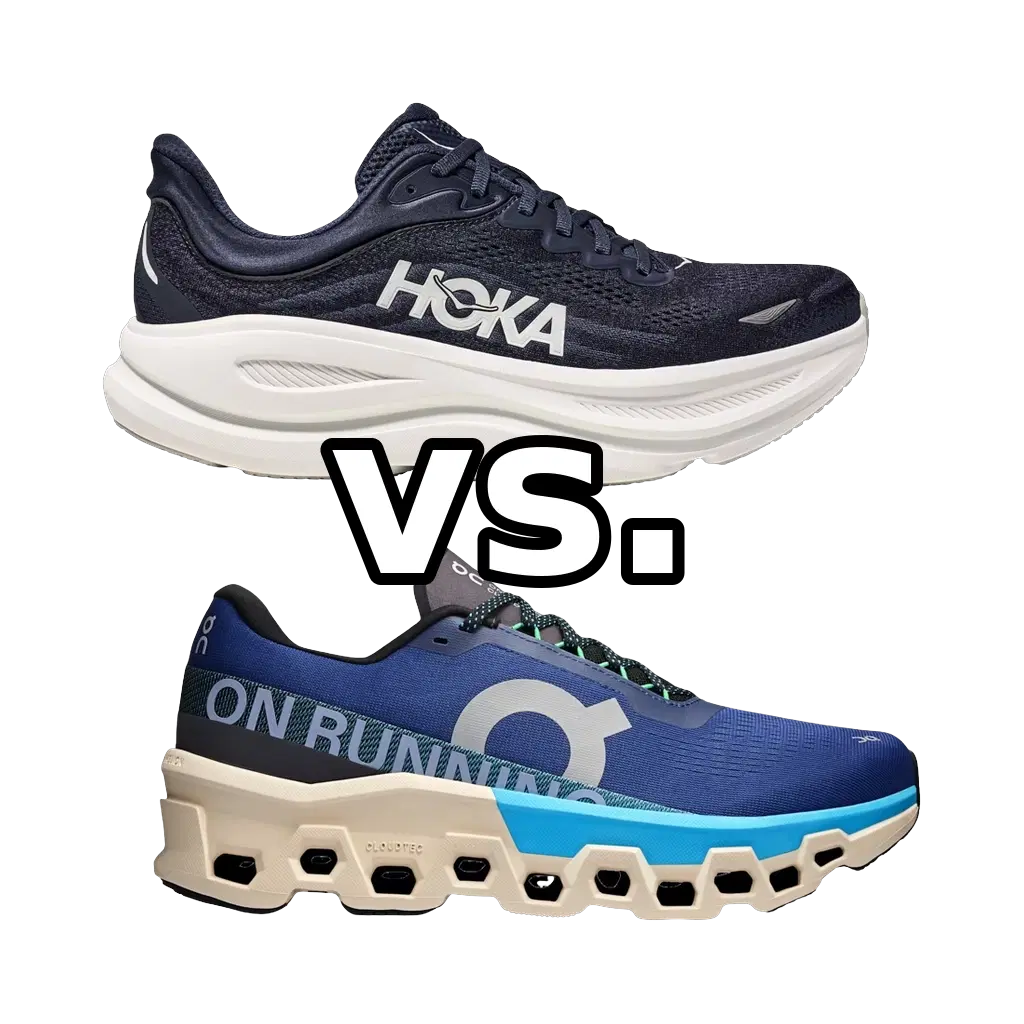
It genuinely depends — but on ride feel and range, not on which is "better." Go Bondi 9 for the deepest, most protective, most stable cushion on easy and long slow miles up to the half; go Cloudmonster 2 if you want a slightly lower, springier, Speedboard-assisted ride that stays comfortable from easy days all the way to the marathon. Since they weigh essentially the same, let the question be how much foam and how much pop you want, and how far you intend to run.
Pace
2 of 6
Cushioning
6 of 6
Responsiveness
3 of 6
Stability
5 of 6
Drop
5 mm
Support
Stable Neutral
Plate
None
Distances
10KHalf
Pace
3 of 6
Cushioning
5 of 6
Responsiveness
4 of 6
Stability
4 of 6
Drop
6 mm
Support
Neutral
Plate
Composite
Distances
10KHalfMarathon
At a Glance
Hoka Bondi 9On Cloudmonster 2
Who Should Choose Each Shoe
Choose
Hoka Bondi 9
Choose the Bondi 9 if maximum underfoot protection is the whole point — heavier runners, beginners building volume, or anyone whose legs want the most forgiving, deeply cushioned landing available on easy days and recovery miles. Its taller stack and wide, walled platform also make it the steadier, more planted of the two, so it suits runners who value a stable-neutral feel and never intend to chase splits. If your running is almost entirely relaxed aerobic mileage up to the half marathon, this is the softer, more coddling pick.
Choose
On Cloudmonster 2
Choose the Cloudmonster 2 if you want cushioning that still has some life to it — recreational runners who log steady daily miles but like a gentle spring on toe-off and a ride that firms up and rolls when the pace lifts. The composite Speedboard and springier Helion foam give it the broader range, so it's the better call if your training includes marathon-distance long runs or you want one shoe that handles easy days and comfortable steady efforts. It's the pick for a neutral runner prioritizing a bouncier, more versatile ride over sheer plush protection.
Head-to-Head
Start with weight, because it surprises people: these two are effectively the same, at roughly 297g for the Bondi 9 and about 295g for the Cloudmonster 2 in a men's 9 — so neither wins on being lighter, and both are substantial, cushion-first builds. The real gap is underfoot height and ride character. The Bondi is the taller, plusher shoe at 43mm/38mm of supercritical-EVA stack versus the Cloudmonster's 35mm/29mm, and its ride reflects that: a deep, protective, slightly muted landing on a wide, planted base, scoring higher on both cushioning (6/6 vs 5/6) and stability (5/6 vs 4/6) with its sidewalls and broad platform. The Cloudmonster trades some of that plushness for pop — its Helion foam over hollow CloudTec pods sits on a composite Speedboard (not carbon), which firms up and guides the ride as you lift the pace, giving it the edge in responsiveness (4/6 vs 3/6). Drops are close — 5mm on the Bondi, 6mm on the Cloudmonster — so transition feel is similar, but the Bondi's rocker is tuned for relaxed, conversational rolling while the Cloudmonster feels more purposeful once you push. The clearest use-case split is range: the Bondi is happiest on easy 10Ks and half-distance long runs and goes dull if you reach for speed, whereas the Speedboard and springier foam let the Cloudmonster stretch comfortably to the marathon and hold steady efforts a touch faster. In short, the Bondi is the more protective, more stable, lower-energy cruiser; the Cloudmonster is slightly firmer, bouncier, and more versatile across distance.
Similar Comparisons
On Cloudmonster 2 vs On Cloudmonster 3
Hoka Bondi 9 vs Asics Gel-Nimbus 28
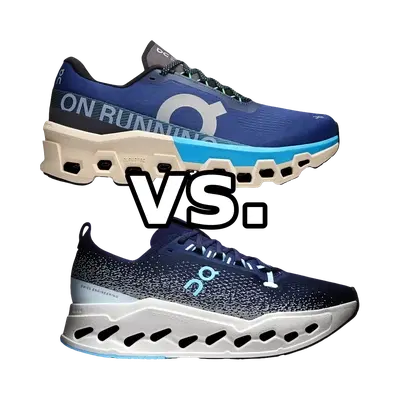
On Cloudmonster 2 vs On Cloudsurfer Max
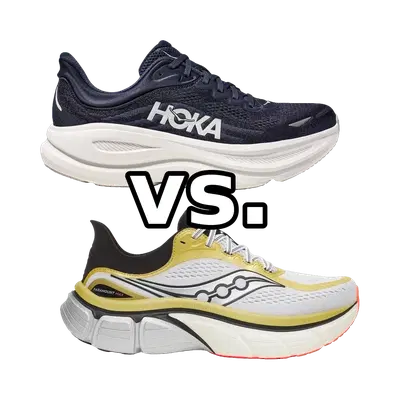
Hoka Bondi 9 vs Saucony Paramount Max
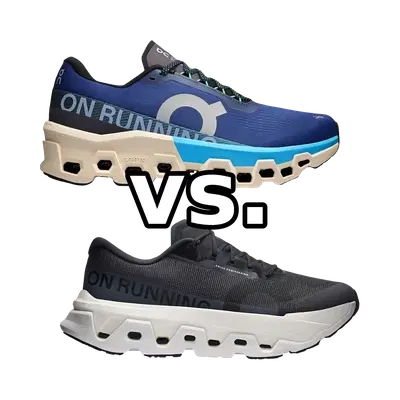
On Cloudmonster 2 vs On Cloudmonster 3 Hyper
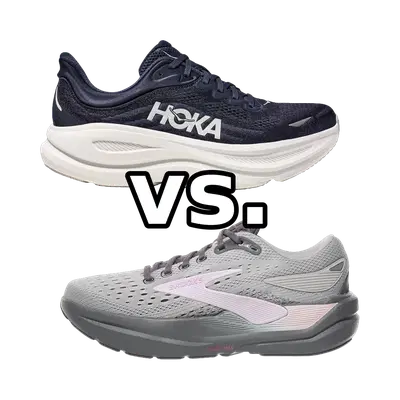
Hoka Bondi 9 vs Brooks Ghost Max 3
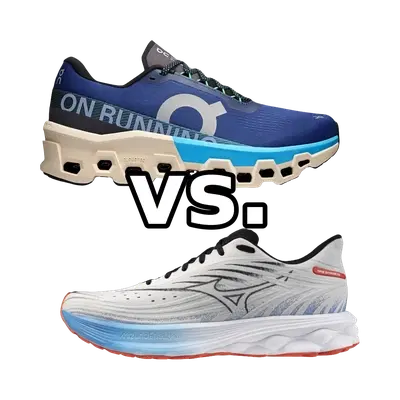
On Cloudmonster 2 vs Mizuno Wave Skyrise 6
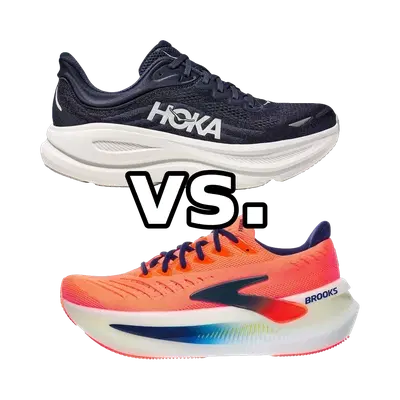
Hoka Bondi 9 vs Brooks Glycerin Max 2
© 2026 longrunshoes.ai | All rights reserved.
Use of materials from this site is permitted only with proper attribution and a link to longrunshoes.ai.