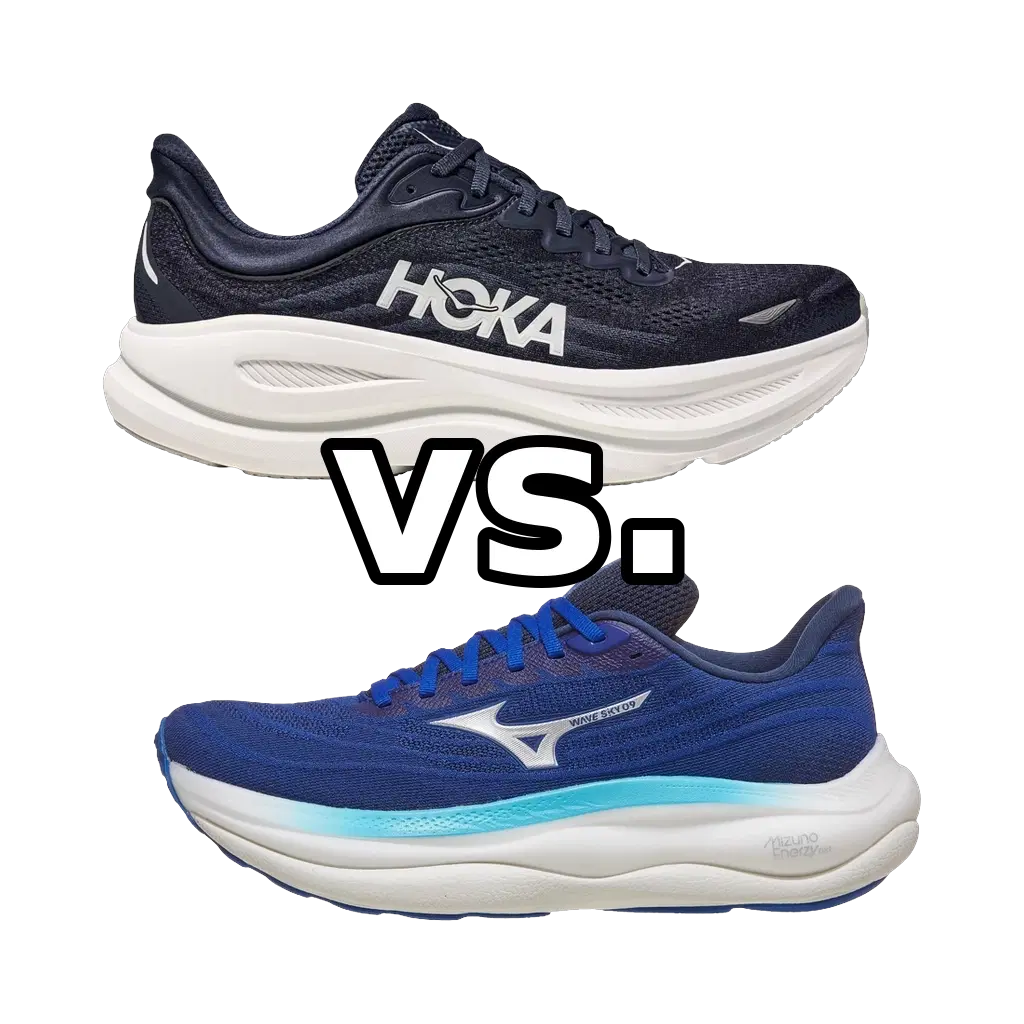
Hoka Bondi 9 vs Mizuno Wave Sky 9:
Which to Choose
Verdict
These are close enough that most runners would be well served by either, so let your use case decide. Go Bondi 9 for a more stable, rocker-led ride aimed at easy days and half-distance work, especially if you want extra planted security underfoot; go Wave Sky 9 if you want a softer, more neutral feel that reaches further into marathon-distance long runs and holds together at slightly quicker easy paces. Both are comfort-first, no-plate cruisers — neither is a shoe for tempo or race day.
Pace
2 of 6
Cushioning
6 of 6
Responsiveness
3 of 6
Stability
5 of 6
Drop
5 mm
Support
Stable Neutral
Plate
None
Distances
10KHalf
Pace
3 of 6
Cushioning
6 of 6
Responsiveness
3 of 6
Stability
4 of 6
Drop
6 mm
Support
Neutral
Plate
None
Distances
HalfMarathon
At a Glance
Hoka Bondi 9Mizuno Wave Sky 9
Who Should Choose Each Shoe
Choose
Hoka Bondi 9
Pick the Bondi 9 if your priority is a planted, forgiving landing for easy and recovery miles and shorter long runs up to the half, especially if you're a beginner building volume, a heavier runner, or someone who wants that gentle rocker to roll you through transitions. Its wider, sidewalled base and stable-neutral feel make it the safer bet if you sometimes feel wobbly on tall soft foam or value stability over pace. Just don't expect it to come alive when you push — it's built to protect, not to pop.
Choose
Mizuno Wave Sky 9
Choose the Wave Sky 9 if you want that same deep cushioning but need a shoe that can genuinely carry you through marathon-distance long runs at a relaxed effort, and you'd like a hair more pace range before the stack loses composure. The nitrogen-infused Enerzy NXT top layer gives a softer, more cloud-like initial step-in, the snug stretch-woven upper suits runners who like a wrapped fit, and the X10 outsole is built to grind out high mileage. It's the better match for a true neutral runner logging steady base miles who doesn't need added stability.
Head-to-Head
These two are strikingly close on the numbers. The Bondi 9 weighs 297g (men's US 9) with a 43mm heel / 38mm forefoot stack and a 5mm drop; the Wave Sky 9 comes in at 295g with a 44mm heel / 38mm forefoot stack and a 6mm drop. That's a shared forefoot height, a 1mm difference in heel stack and drop, and essentially the same weight — so neither is meaningfully taller, lower, or lighter than the other. Both are max-cushioned (6/6), both run medium on responsiveness (3/6), and both deliberately trade energy return for a soft, protective, slightly muted landing with no plate. The real split is in character. The Bondi leans on supercritical-EVA foam, a wide planted base with sidewalls, and Hoka's pronounced rocker, which earns it a more stable-neutral feel (stability 5/6) and a smooth roll-through at conversational effort — it's happiest on easy 10Ks and relaxed half-distance long runs, and goes dull much past 5:30/km. The Wave Sky pairs nitrogen-infused Enerzy NXT over a firmer Enerzy carrier, giving a cloud-like top layer that's kept from bottoming out by the firmer base; it's a touch more neutral and a touch less locked-down (stability 4/6), but it's rated to cruise comfortably through marathon distance and holds composure a bit faster, to around 5:00/km. In short: the Bondi is the more planted, rocker-driven easy-day shoe, while the Wave Sky is the slightly more versatile long-run cruiser that stretches further in both distance and pace. Fit differs too — the Bondi uses a straightforward engineered mesh, while the Wave Sky's stretch-woven upper wraps the foot more snugly, and the Sky's X10 rubber outsole is a reassuring sign for high-wear durability.
Similar Comparisons
Mizuno Wave Sky 8 vs Mizuno Wave Sky 9
Hoka Bondi 9 vs Asics Gel-Nimbus 28
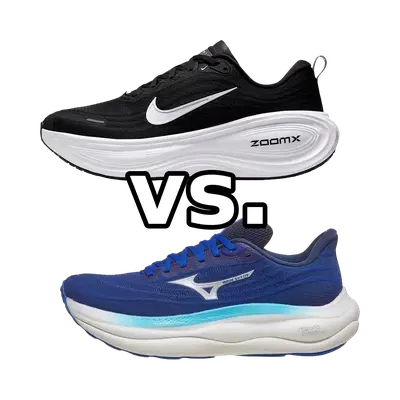
Nike Vomero Plus vs Mizuno Wave Sky 9
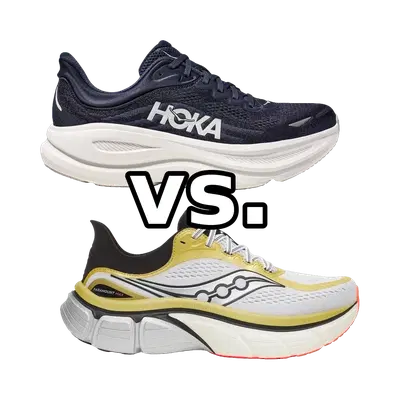
Hoka Bondi 9 vs Saucony Paramount Max
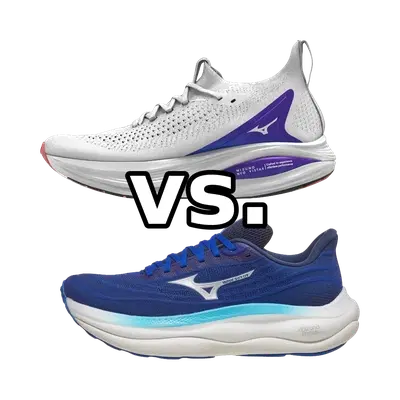
Mizuno Neo Vista 2 vs Mizuno Wave Sky 9
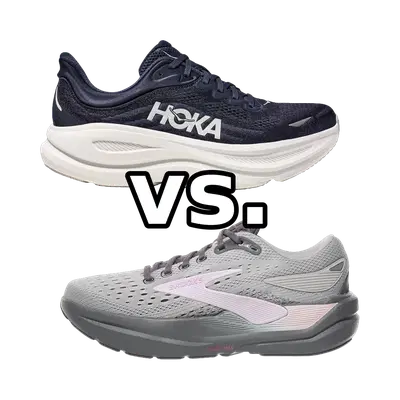
Hoka Bondi 9 vs Brooks Ghost Max 3
New Balance Foam X More v5 vs Mizuno Wave Sky 9
Hoka Bondi 9 vs Brooks Glycerin Max 2
© 2026 longrunshoes.ai | All rights reserved.
Use of materials from this site is permitted only with proper attribution and a link to longrunshoes.ai.