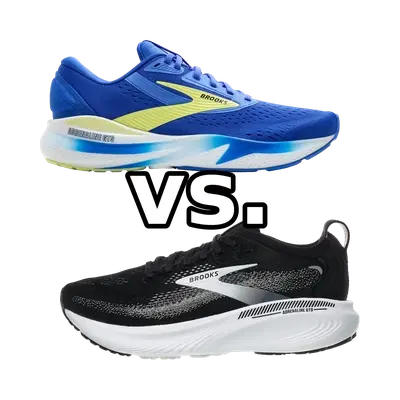
Brooks Adrenaline GTS 25 vs Mizuno Wave Inspire 22:
Which to Choose
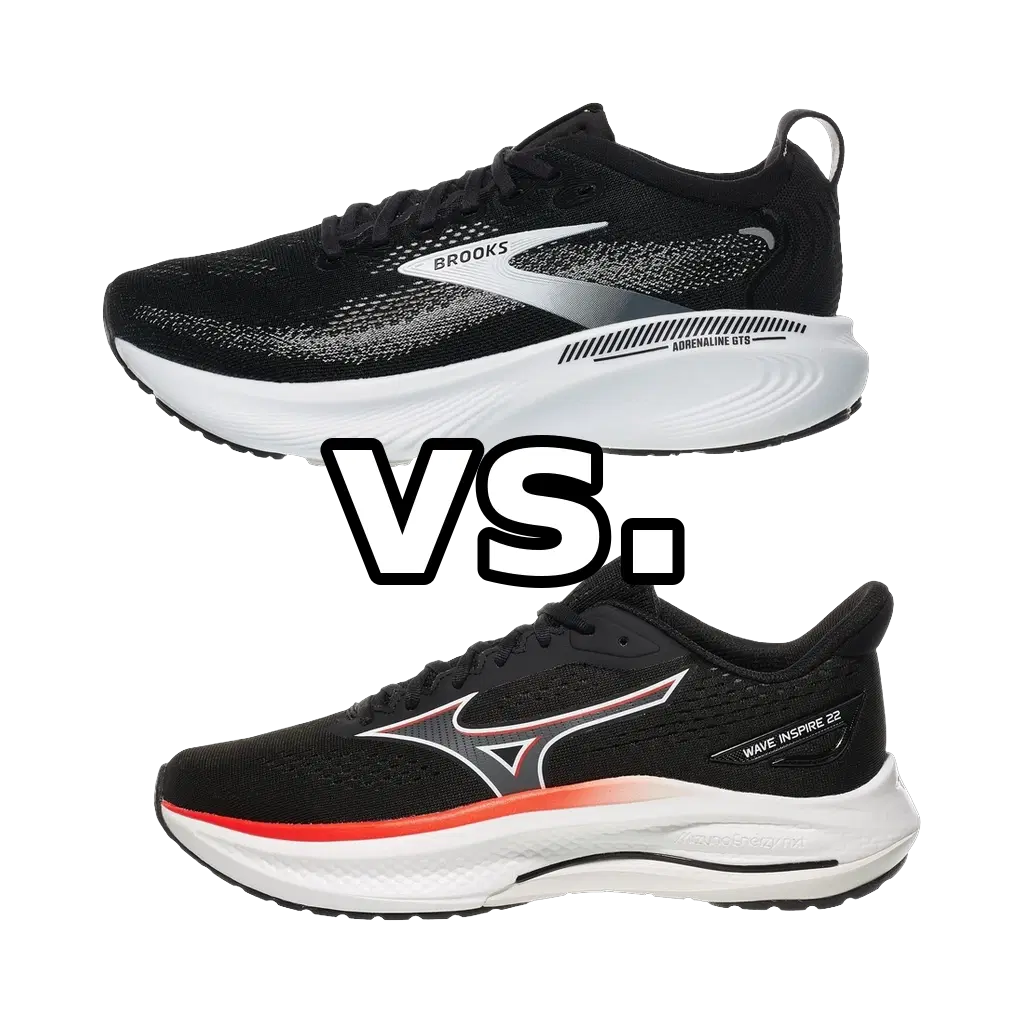
Verdict
It genuinely comes down to feel, not quality — these are peers that do the same job equally well. Go Brooks Adrenaline GTS 25 for a softer, higher-drop ride with hands-off GuideRails guidance; go Mizuno Wave Inspire 22 for a firmer, lower-drop, more structurally stable ride with standout outsole durability. If you can, try both on: the Mizuno's firmness versus the Brooks' give is the single difference that will decide it for most runners.
Pace
3 of 6
Cushioning
4 of 6
Responsiveness
3 of 6
Stability
5 of 6
Drop
10 mm
Support
Stability
Plate
None
Distances
10KHalfMarathon
Pace
3 of 6
Cushioning
4 of 6
Responsiveness
3 of 6
Stability
5 of 6
Drop
8 mm
Support
Stability
Plate
Composite
Distances
10KHalfMarathon
At a Glance
Brooks Adrenaline GTS 25Mizuno Wave Inspire 22
Who Should Choose Each Shoe
Choose
Brooks Adrenaline GTS 25
Choose the Adrenaline GTS 25 if you're a heel striker who wants your support shoe to feel a little softer and more forgiving on long easy runs, and who likes the way a higher 10 mm drop smooths the heel-to-toe transition. Its GuideRails approach is ideal if you want correction that stays out of the way until you fatigue rather than a structure you feel the whole time — a good fit for runners coming from previous Adrenaline models or other soft-ish stability trainers logging steady base mileage.
Choose
Mizuno Wave Inspire 22
Choose the Wave Inspire 22 if you prefer a firmer, more grounded ride and value a planted, locked-in feel over cushioning softness, especially on steady long runs where you want maximum composure. The lower 8 mm drop and slightly deeper forefoot suit midfoot-leaning strides, and the built-in Wave plate delivers support more structurally than Brooks' guardrails. It's also the pick if outsole durability and long-haul mileage value matter to you, thanks to the tough X10 rubber.
Head-to-Head
Start with how close these are: near-identical weight, the same cushioning and stability ratings, the same ideal 5:30–6:30 min/km training zone, and the same best distances. The differences are in the details that you feel step to step. The Brooks runs a 10 mm drop on a 36 mm heel / 26 mm forefoot stack, while the Mizuno sits on a slightly taller 37 mm heel / 29 mm forefoot platform with a lower measured 8 mm drop — so the Inspire gives you a touch more forefoot cushion and a flatter, less heel-biased geometry, while the Adrenaline's higher drop more actively eases the heel-to-toe roll for committed heel strikers. Underfoot the foams go opposite directions: the Adrenaline's DNA Loft v3 is forgiving and mildly soft, cushioning impact without much spring, whereas the Inspire's Enerzy NXT is firm and grounded, prioritizing a planted, controlled landing over any softness. They also police pronation differently — Brooks uses GuideRails, guardrail-like structures beside the heel that rein in excess motion only when your stride drifts, with no medial post, while Mizuno leans on a wide base plus a plastic Wave plate that builds guidance into the midsole itself. Neither has a propulsion plate for speed; the Mizuno's composite plate is for stability, not pop, and both feel honest-but-flat when you push the pace. Durability tilts toward the Mizuno, whose X10 carbon-rubber outsole is exceptionally hard-wearing.
Similar Comparisons
Mizuno Wave Inspire 21 vs Mizuno Wave Inspire 22
Brooks Ghost 18 vs Brooks Adrenaline GTS 25
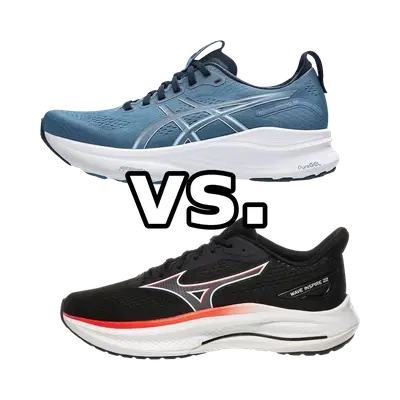
Asics Gel-Kayano 32 vs Mizuno Wave Inspire 22
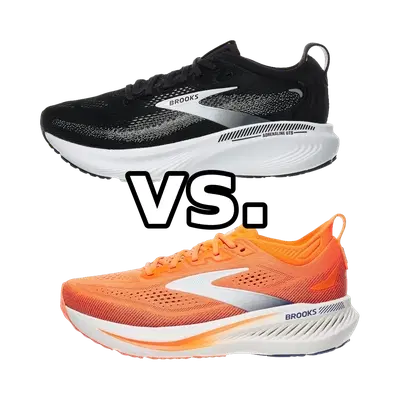
Brooks Adrenaline GTS 25 vs Brooks Glycerin GTS 23
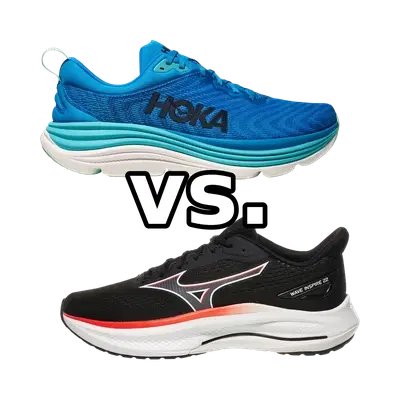
Hoka Gaviota 5 vs Mizuno Wave Inspire 22
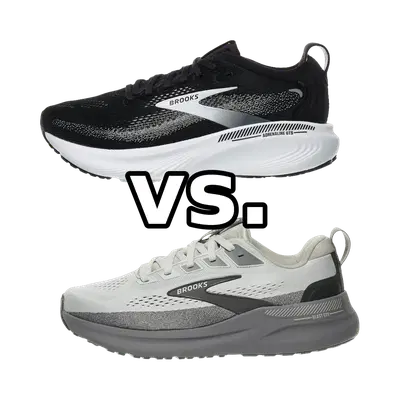
Brooks Adrenaline GTS 25 vs Brooks Beast GTS 26
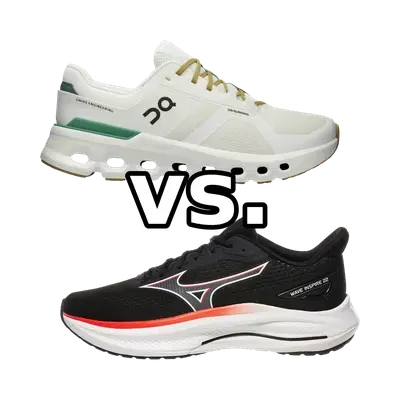
On Cloudrunner 2 vs Mizuno Wave Inspire 22
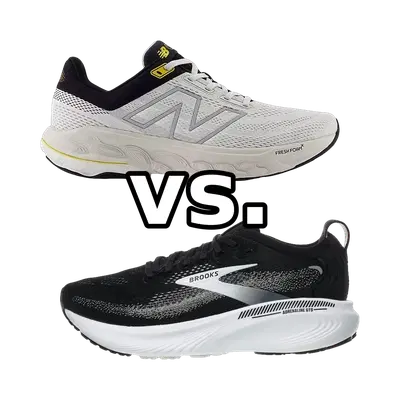
New Balance Fresh Foam X 860v14 vs Brooks Adrenaline GTS 25
© 2026 longrunshoes.ai | All rights reserved.
Use of materials from this site is permitted only with proper attribution and a link to longrunshoes.ai.