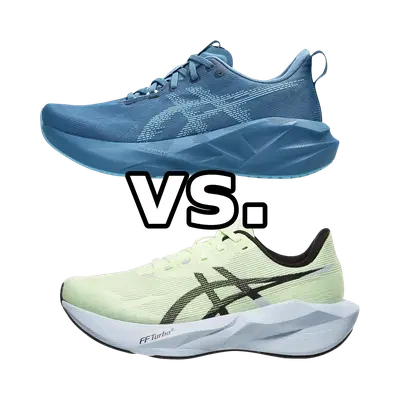
Asics Novablast 6 vs Asics Dynablast 6:
Which to Choose
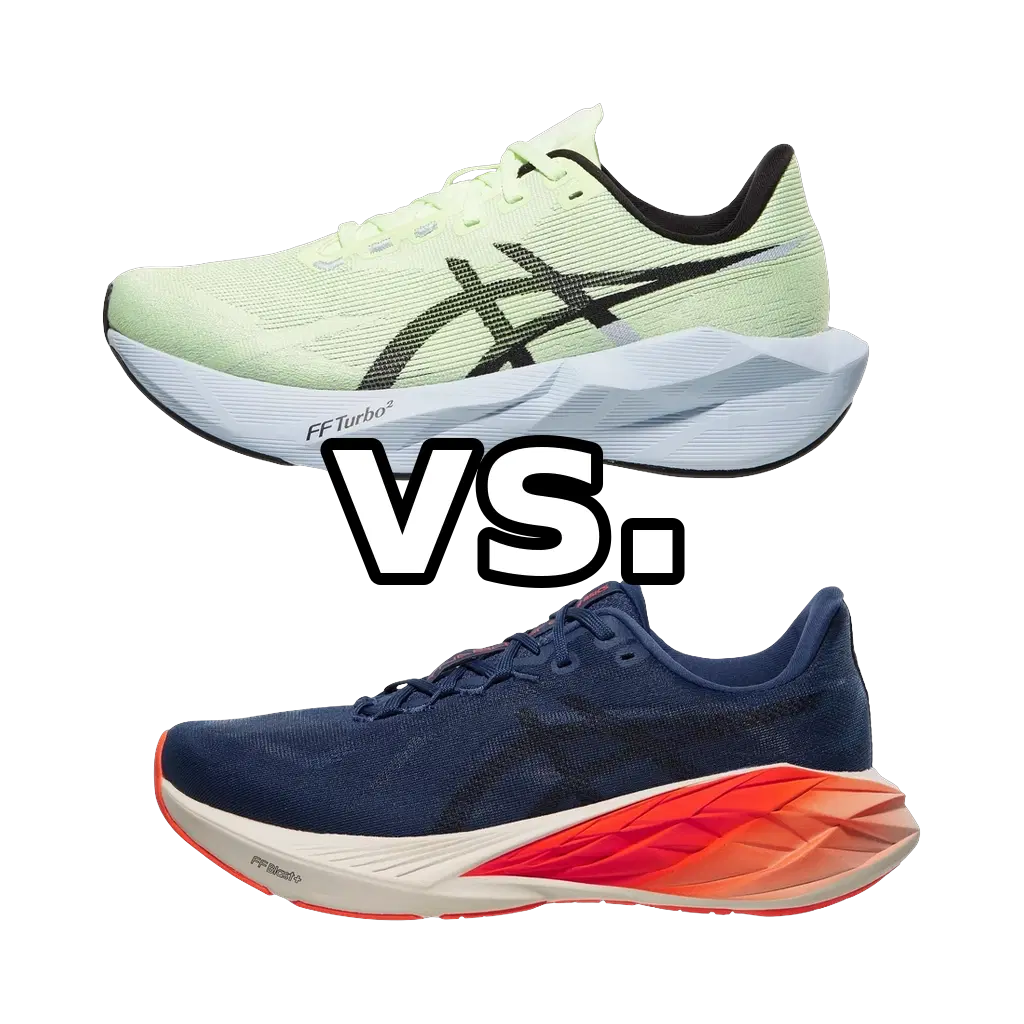
Verdict
These are two takes on the same neutral, plateless, high-stack daily trainer, so it comes down to ride preference, not capability. Pick the Novablast 6 for a lighter, bouncier, more energetic shoe that's happier when you pick up the pace; pick the Dynablast 6 for a firmer, slightly taller-in-the-heel, smoother-rolling trainer built purely for comfortable steady miles. If you're on the fence, the Novablast is the more versatile all-rounder and the easier shoe to recommend to most runners.
Pace
4 of 6
Cushioning
5 of 6
Responsiveness
5 of 6
Stability
3 of 6
Drop
8 mm
Support
Neutral
Plate
None
Distances
10KHalfMarathon
Pace
4 of 6
Cushioning
5 of 6
Responsiveness
5 of 6
Stability
3 of 6
Drop
8 mm
Support
Neutral
Plate
None
Distances
10KHalfMarathon
At a Glance
Asics Novablast 6Asics Dynablast 6
Who Should Choose Each Shoe
Choose
Asics Novablast 6
Choose the Novablast 6 if you want the more versatile, energetic ride and value a lighter, livelier shoe that can genuinely handle uptempo and tempo days as well as easy miles — it's the better pick if the half marathon or faster long runs are your bread and butter. It's also the stronger choice for runners who prefer a softer, bouncier underfoot feel and want one shoe that leans slightly more athletic without going to a plated racer.
Choose
Asics Dynablast 6
Choose the Dynablast 6 if you want a straightforward, high-cushion daily trainer for logging steady mileage and you prefer a firmer, smoother rolling ride over an overtly bouncy one. The slightly taller heel and 8mm drop suit runners who like a bit more heel protection and a planted, roll-through feel on easy and long runs, and who don't mind carrying a little extra weight in exchange for that calmer, more predictable character.
Head-to-Head
Start with what's shared: both are tall, neutral, plateless trainers with a single-density superfoam midsole, a medium-wide base, and the same honest warning that the height can feel a touch tippy at slow, shuffling paces. The separation is in the foam and the mass. The Novablast 6 runs on FF Blast Max — Asics' softer, bouncier top-tier foam — and backs it with a dedicated forefoot FF Turbo Squared pod, so it feels livelier and more energetic at toe-off, with a genuine kick when you push the pace. The Dynablast 6 uses the firmer FF Blast Plus on Novablast-4-style tooling with a central pod; it's springy rather than pillowy and leans on a smooth, rolling transition rather than outright rebound, which makes it feel a little flatter and more planted but less explosive when you try to lift the tempo. Weight reinforces that gap — the Novablast comes in at 249g in a men's US 9 versus roughly 270g for the Dynablast, so the Novablast is the noticeably quicker-feeling shoe underfoot. Geometry is similar but not identical: the Novablast sits on a 39mm heel with a 7mm drop, while the Dynablast is slightly taller at 41mm in the heel with an 8mm drop, so the Dynablast delivers a hair more heel cushioning and a marginally more heel-biased stance. Both cover tempo work acceptably, but the Novablast's sweet spot sits a touch faster (around 4:15–4:45 min/km when pushed) while the Dynablast is happiest in the steady-to-moderate range.
Similar Comparisons
Asics Dynablast 5 vs Asics Dynablast 6
Asics Novablast 6 vs Nike Pegasus 42
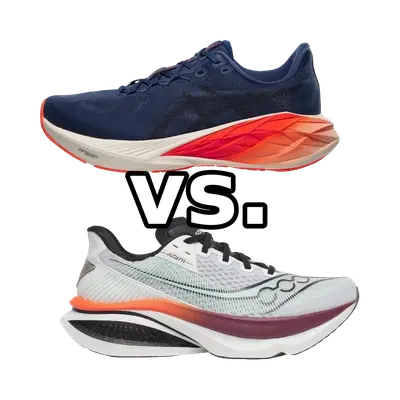
Asics Dynablast 6 vs Saucony Endorphin Azura
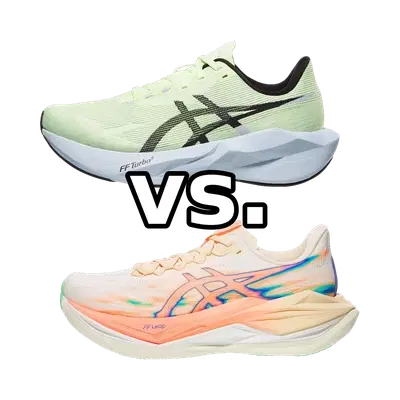
Asics Novablast 6 vs Asics Superblast 3
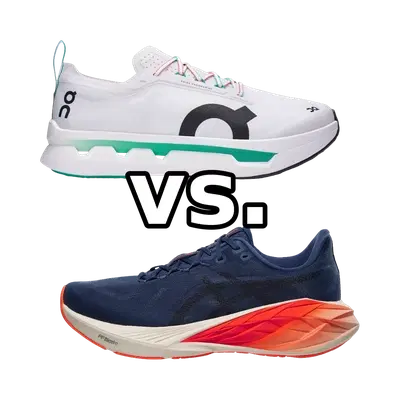
On Cloudboom Zone vs Asics Dynablast 6
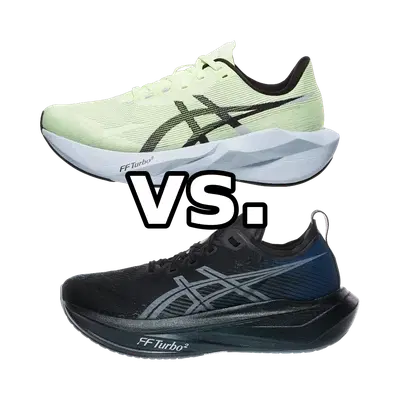
Asics Novablast 6 vs Asics Megablast
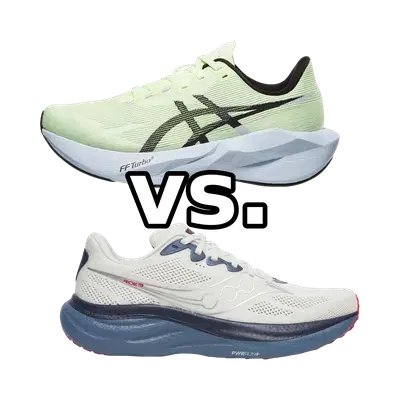
Asics Novablast 6 vs Saucony Ride 19
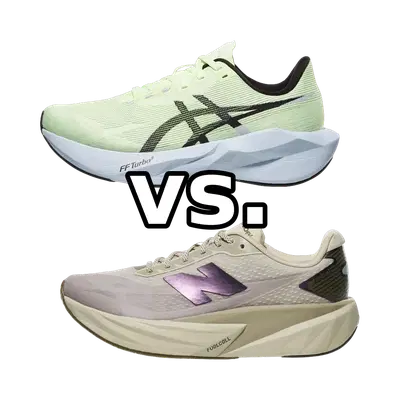
Asics Novablast 6 vs New Balance FuelCell Rebel v5
© 2026 longrunshoes.ai | All rights reserved.
Use of materials from this site is permitted only with proper attribution and a link to longrunshoes.ai.