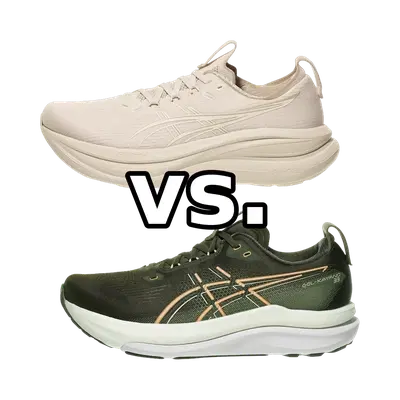
Asics Gel-Kayano 33 vs Brooks Adrenaline GTS 25:
Which to Choose
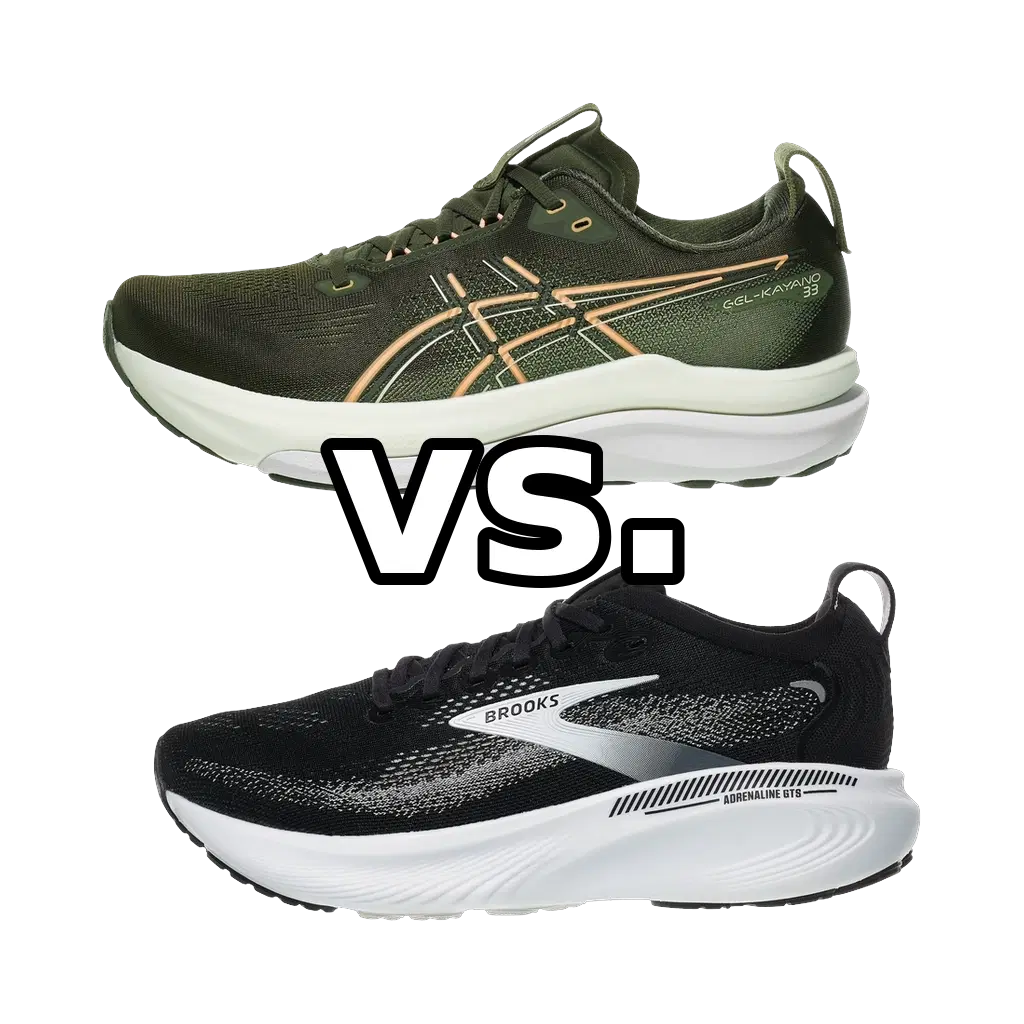
Verdict
These are genuine peers, not a clear winner and loser, so it comes down to feel rather than capability. Go Kayano 33 if you want more cushioning, more rebound, and more assertive stability in a plusher package; go Adrenaline GTS 25 if you prefer a firmer, flatter, lower-profile ride with higher drop and quieter, non-intrusive support. If you can, run in both — but if you can't, the Kayano is the safer bet for maximum protection and long-run comfort, while the Adrenaline is the one for heel strikers who want support they barely notice.
Pace
3 of 6
Cushioning
5 of 6
Responsiveness
4 of 6
Stability
6 of 6
Drop
8 mm
Support
Stability
Plate
None
Distances
10KHalfMarathon
Pace
3 of 6
Cushioning
4 of 6
Responsiveness
3 of 6
Stability
5 of 6
Drop
10 mm
Support
Stability
Plate
None
Distances
10KHalfMarathon
At a Glance
Asics Gel-Kayano 33Brooks Adrenaline GTS 25
Who Should Choose Each Shoe
Choose
Asics Gel-Kayano 33
Pick the Gel-Kayano 33 if you want the most protective, most cushioned, and most actively guided of the two — it's the better call for the runner who overpronates moderately, logs high mileage or long marathon-build runs, and wants a platform that feels plush and gently springy rather than flat. Its dual-layer foam and stronger stability structure suit heavier runners and anyone who prioritizes all-out support and underfoot comfort over a low-key, neutral-adjacent feel.
Choose
Brooks Adrenaline GTS 25
Pick the Adrenaline GTS 25 if you're a heel striker who wants dependable support that stays out of the way — its 10 mm drop and GuideRails reward a smooth, consistent stride without the sensation of being corrected, and its firmer DNA Loft v3 feel appeals to runners who find max-cushion shoes too soft or unstable. It's the stronger fit for steady daily training and controlled long runs where you want a predictable, planted ride and only mild-to-moderate pronation guidance.
Head-to-Head
Start with how similar they are, because that's the honest headline: both are stability trainers with no plate, both are rated for 10K, half, and marathon, both share an identical everyday-pace comfort zone, and they weigh within a few grams of each other — roughly 298 g for the Kayano and 295 g for the Adrenaline in a men's US 9, so weight is effectively a wash and shouldn't decide anything. The real separators are foam, drop, and support philosophy. The Kayano runs a dual-layer midsole — a soft, mildly springy FF Blast Max top sheet over a firmer FF Blast+ base — which gives it a plusher, slightly livelier first impression and a touch more measured rebound, backed by lab stack heights around 37 mm heel / 28 mm forefoot. The Adrenaline uses a single full-length slab of nitrogen-infused DNA Loft v3 (lab ~36 mm / 26 mm) that reads as forgiving and planted but noticeably flatter underfoot — it absorbs more than it returns. On our scale the Kayano edges ahead on cushioning (5/6 vs 4/6) and responsiveness (4/6 vs 3/6), and it carries the maximum stability rating (6/6 vs 5/6) via its wider base plus 4D Guidance and FluidSupport, which actively structures the stride. The Adrenaline's GuideRails take a different tack: rather than a firm medial element, they sit on both sides of the heel and only engage when your stride drifts, so the correction is quieter and feels less intrusive — great if you dislike feeling "steered." Geometry differs too: the Adrenaline's 10 mm drop (newly lowered for this version from the series' traditional higher offset) rolls a heel strike forward very naturally, while the Kayano's 8 mm drop sits a hair closer to the ground for a marginally more grounded forefoot feel. Both are durable, breathable-mesh daily mileage shoes; neither wants to go fast.
Similar Comparisons
Brooks Adrenaline GTS 24 vs Brooks Adrenaline GTS 25
Asics Gel-Kayano 32 vs Asics Gel-Kayano 33
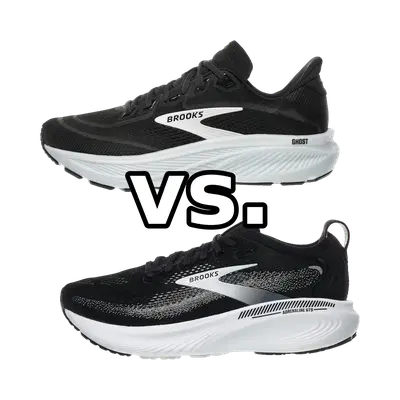
Brooks Ghost 18 vs Brooks Adrenaline GTS 25
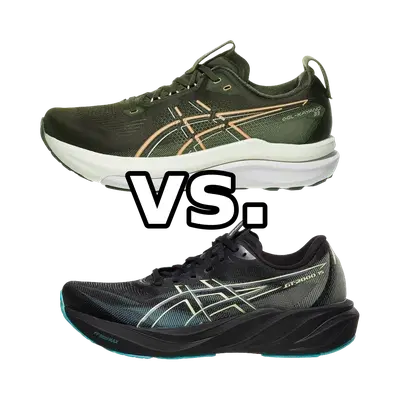
Asics Gel-Kayano 33 vs Asics GT-2000 15
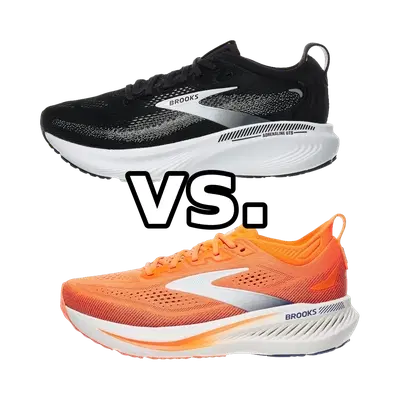
Brooks Adrenaline GTS 25 vs Brooks Glycerin GTS 23
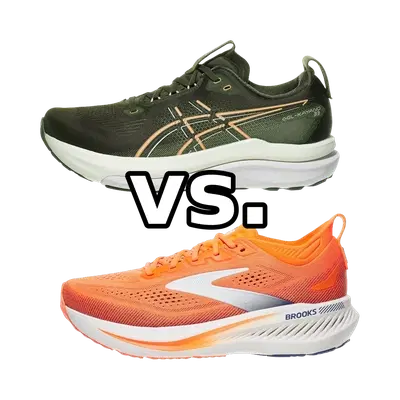
Asics Gel-Kayano 33 vs Brooks Glycerin GTS 23
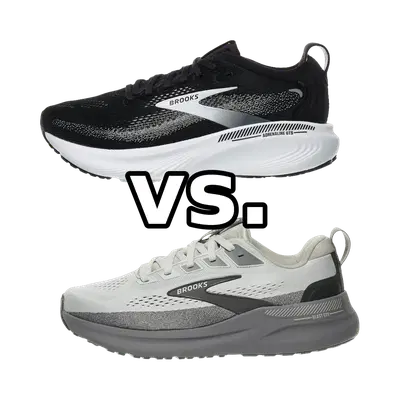
Brooks Adrenaline GTS 25 vs Brooks Beast GTS 26
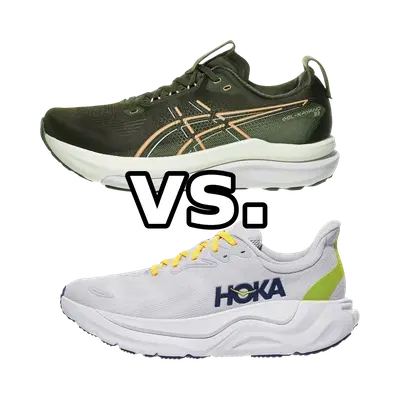
Asics Gel-Kayano 33 vs Hoka Arahi 8
© 2026 longrunshoes.ai | All rights reserved.
Use of materials from this site is permitted only with proper attribution and a link to longrunshoes.ai.