Adidas Adistar 4 vs Adidas Supernova Rise 3:
Which to Choose
Verdict
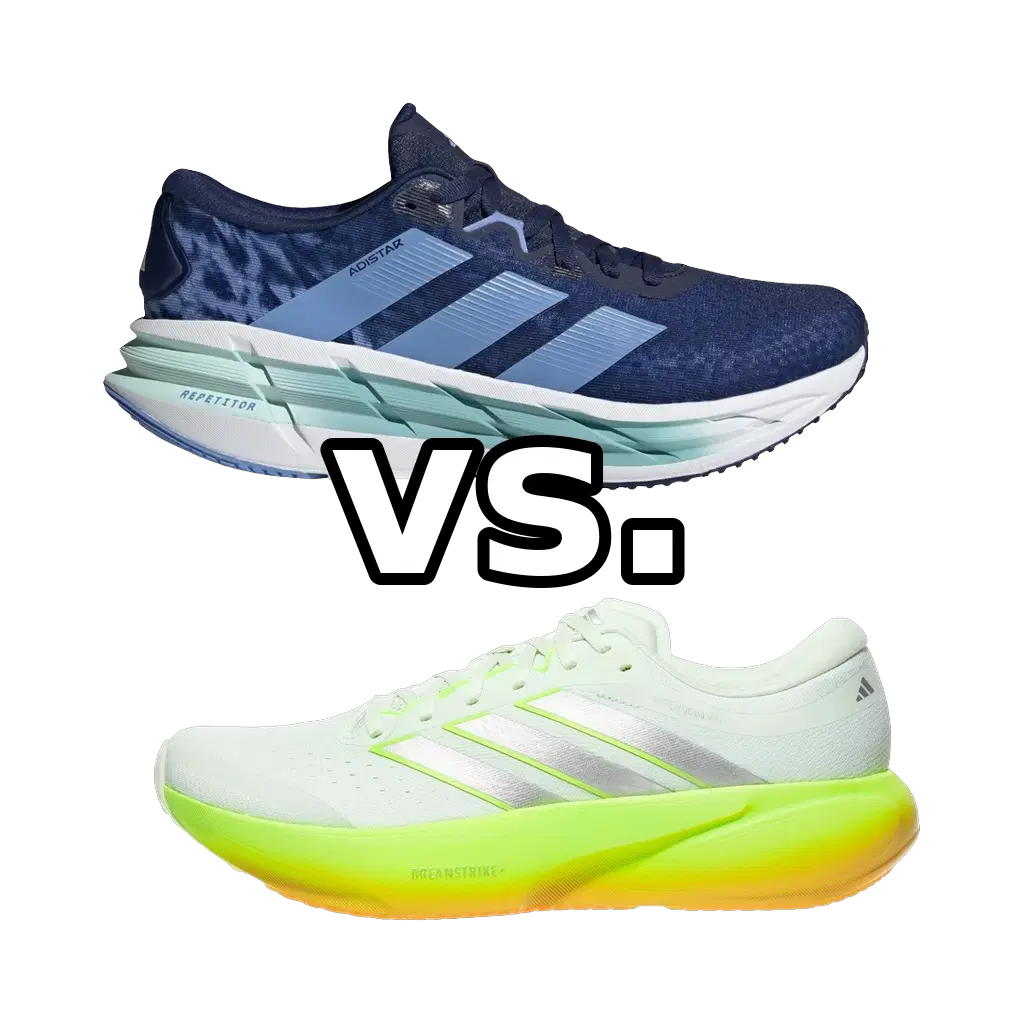
It comes down to protection versus versatility. Go Adistar 4 if your priority is a plush, stable, planted shoe for long, easy marathon-focused miles and you don't care about pop; go Supernova Rise 3 if you want a lighter, bouncier, more responsive all-rounder that covers everything from easy runs to 10K and steady efforts. For most runners wanting a single do-it-all daily trainer, the Rise 3 is the more adaptable buy; for the dedicated long-run and high-mileage crowd who want cushioning and a little stability, the Adistar 4 is worth the extra weight.
Pace
3 of 6
Cushioning
5 of 6
Responsiveness
3 of 6
Stability
5 of 6
Drop
5 mm
Support
Stable Neutral
Plate
None
Distances
HalfMarathon
Pace
3 of 6
Cushioning
4 of 6
Responsiveness
5 of 6
Stability
4 of 6
Drop
8 mm
Support
Neutral
Plate
None
Distances
10KHalfMarathon
At a Glance
Adidas Adistar 4Adidas Supernova Rise 3
Who Should Choose Each Shoe
Choose
Adidas Adistar 4
Choose the Adistar 4 if your running is mostly easy and long — the marathoner or half-marathon trainer grinding out high-mileage weeks at a relaxed, conversational rhythm who values deep protection over any sense of snap. It's also the better bet if you want a touch of stability without a dedicated support shoe, since the wide platform and sidewalls deliver stable-neutral guidance that keeps the tall, soft stack composed. Pick it if you'd happily trade a heavier shoe and a steady ride for legs that feel fresher at the end of a three-hour long run.
Choose
Adidas Supernova Rise 3
Choose the Supernova Rise 3 if you want one versatile trainer that handles easy days, steady efforts, and the occasional 10K pickup without feeling like a brick when you lift the pace. Its supercritical PEBA gives a lighter, bouncier ride that rewards moderate accelerations, so it suits neutral runners who like a bit of energy underfoot and don't need added stability. It's the smarter default if your weekly mileage is varied rather than dominated by slow long runs, and if you'd rather have liveliness and a lower-profile feel than maximum cushioning.
Head-to-Head
Start with the foam and build, because that's where they split. The Adistar 4 runs a dual-density stack — firmer Repetitor+ under softer Dreamstrike+ — on a tall platform of roughly 40mm at the heel, and it's the more cushioned shoe (5/6 vs 4/6) and the more stable one (5/6 vs 4/6), using supportive sidewalls and a wide base to keep that height from feeling tippy. The Supernova Rise 3 instead goes with a full-length supercritical PEBA Dreamstrike+ setup on a lower 35mm heel / 27mm forefoot stack; it gives up some plushness and the Adistar's stable-neutral guidance (it's a true neutral shoe with no posting) in exchange for a noticeably bouncier, more responsive toe-off (5/6 vs 3/6). That responsiveness gap is the headline difference: the Adistar's EVA-based foams return energy steadily but never explosively, so it protects tired legs without rewarding surges, whereas the Rise 3's PEBA has a gentle, lively rebound that makes faster cruising feel more natural. Weight reinforces the split — the Adistar 4 is the heavier, more substantial shoe at about 275g (men's US 9) versus roughly 264g for the Rise 3 — so the Rise 3 feels quicker underfoot despite both being comfort-first trainers. Drop differs too: 6mm on the Adistar for a flatter, long-ramp feel, 8mm on the Rise 3 for a bit more heel comfort and roll-through. On use case, the Adistar 4 is happiest at easy and long marathon and half-marathon miles in the 5:15–6:30 min/km range and gets dragged down if you push the pace, while the Rise 3 stretches its range down to around 4:45 min/km and adds the 10K to its wheelhouse, making it the more flexible pick for mixing steady efforts into your week. Neither is a racer — both are plateless cruisers — but the Adistar is the specialist in protection and stability, and the Rise 3 is the generalist in versatility and pop.
Similar Comparisons
Adidas Supernova Rise 2 vs Adidas Supernova Rise 3
Adidas Adistar 4 vs Saucony Guide 19
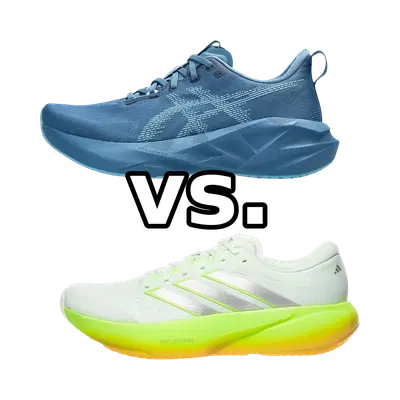
Asics Novablast 5 vs Adidas Supernova Rise 3

Adidas Adistar 4 vs Hoka Skyflow
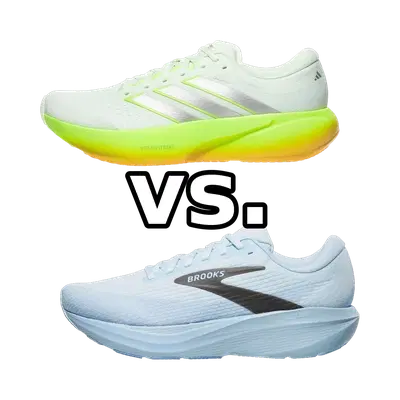
Adidas Supernova Rise 3 vs Brooks Ghost AMP
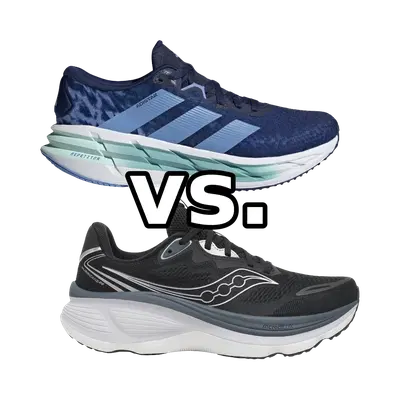
Adidas Adistar 4 vs Saucony Hurricane 26
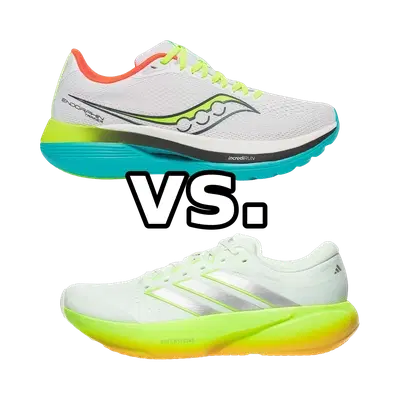
Saucony Endorphin Trainer vs Adidas Supernova Rise 3
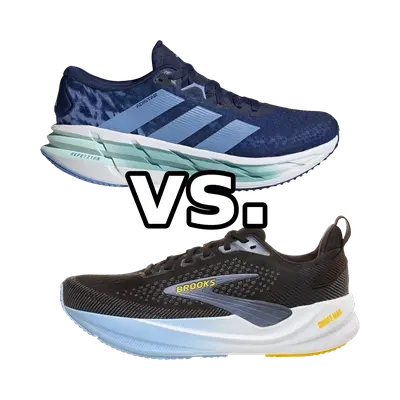
Adidas Adistar 4 vs Brooks Ghost Max 4
© 2026 longrunshoes.ai | All rights reserved.
Use of materials from this site is permitted only with proper attribution and a link to longrunshoes.ai.