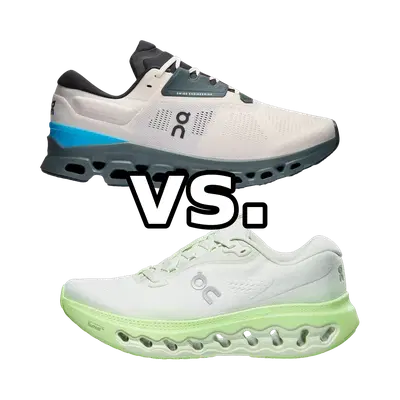
On Cloudstratus 3 vs On Cloudmonster 2:
Which to Choose
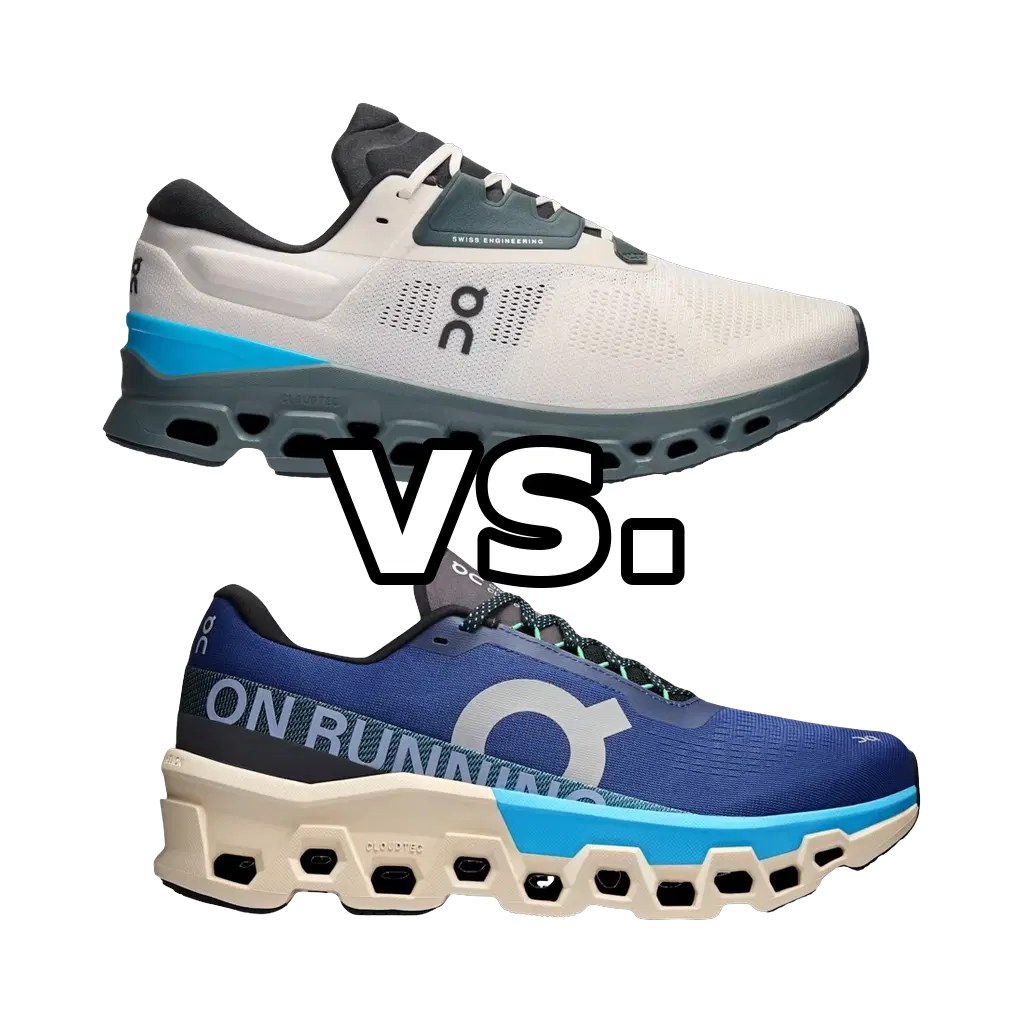
Verdict
These are close cousins — same foam, same composite Speedboard, same 6mm drop, and near-identical weight — so the decision hinges on ride feel and support, not category. Choose the Cloudstratus 3 for a firmer, more planted and controlled ride with a bit of stability and a marginally quicker comfort zone; choose the Cloudmonster 2 for a taller, softer, bouncier, purely neutral cruiser. Firm and secure versus soft and springy is the whole decision.
Pace
3 of 6
Cushioning
5 of 6
Responsiveness
3 of 6
Stability
4 of 6
Drop
6 mm
Support
Stable Neutral
Plate
Composite
Distances
10KHalfMarathon
Pace
3 of 6
Cushioning
5 of 6
Responsiveness
4 of 6
Stability
4 of 6
Drop
6 mm
Support
Neutral
Plate
Composite
Distances
10KHalfMarathon
At a Glance
On Cloudstratus 3On Cloudmonster 2
Who Should Choose Each Shoe
Choose
On Cloudstratus 3
Pick the Cloudstratus 3 if you want a firm, composed, planted ride for steady daily and long-distance miles and value control over bounce — it's the better call for runners with mild overpronation who need a hint of stability without a dedicated support shoe, thanks to its wide dual-pod base and firmer foam. It also suits anyone who wants to run their long efforts a touch quicker, since its sweet spot (5:00–6:00 min/km) sits slightly ahead of the Cloudmonster's. Choose it if a damped, secure roll-through appeals more than a soft, springy landing.
Choose
On Cloudmonster 2
Pick the Cloudmonster 2 if you're a neutral runner who wants the plushest, most forgiving ride of the two for easy days and long training runs, and you enjoy a tall, mildly bouncy platform that gives a little back on toe-off. Its higher stack and slightly stronger responsiveness make it the more cushion-forward, comfort-first option for relaxed steady efforts around 5:30–6:30 min/km. Go this way if you prize soft, cradled comfort over firm ground feel and don't need any stability structure.
Head-to-Head
Start with what's shared: both ride on On's Helion superfoam with signature CloudTec pods and an embedded composite Speedboard (not a carbon racing plate), both sit at a 6mm drop, and both weigh in substantially — roughly 300g for the Cloudstratus 3 and about 295g for the Cloudmonster 2 in a men's sample, so weight is effectively a wash and neither is a light shoe. From there they diverge in feel. The Cloudmonster 2 is the taller, softer, bouncier of the two: its oversized hollow CloudTec pods and big Helion stack (about 34.5mm heel / 29mm forefoot) deliver a plush, cradled landing with a gentle spring on toe-off, and its responsiveness rates a notch higher (4/6 vs 3/6). The Cloudstratus 3 runs lower and firmer (around 32mm heel / 26mm forefoot) on a double-stacked CloudTec arrangement that feels firm-yet-damped rather than springy — it absorbs impact and settles into a smooth, secure roll instead of launching you forward. That firmness is the Cloudstratus's defining trait: it's the more planted, controlled ride and is pitched as stable-neutral, meaning it tolerates mild overpronation, whereas the Cloudmonster is purely neutral with no medial structure and can feel a touch soft and disconnected at very slow paces. The Cloudstratus also carries the marginally quicker effective range, happiest at 5:00–6:00 min/km and able to hold around 4:45 when you push, while the Cloudmonster's comfort zone sits a bit slower at 5:30–6:30, firming up through the Speedboard only once you lift the effort. In short: same category, same plate, same drop, near-identical weight — but the Cloudstratus is the firmer, more controlled, slightly faster-leaning trainer, and the Cloudmonster is the taller, softer, bouncier cruiser.
Similar Comparisons
On Cloudmonster 2 vs On Cloudmonster 3
On Cloudstratus 3 vs Mizuno Wave Skyrise 6
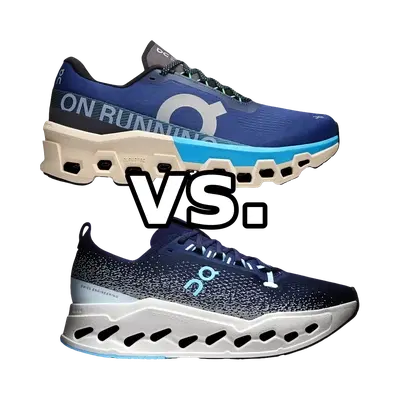
On Cloudmonster 2 vs On Cloudsurfer Max
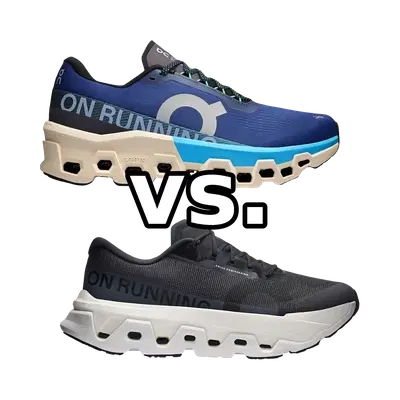
On Cloudmonster 2 vs On Cloudmonster 3 Hyper
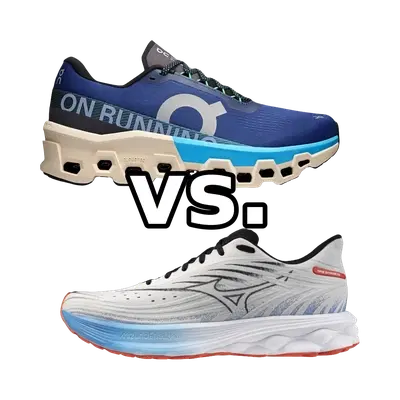
On Cloudmonster 2 vs Mizuno Wave Skyrise 6
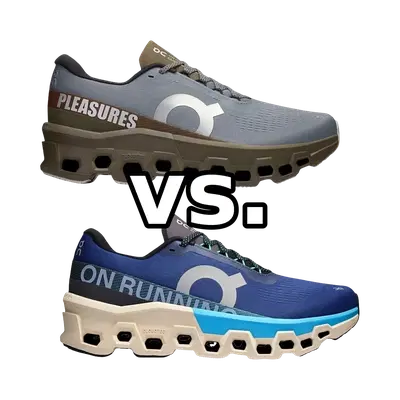
On Cloudmonster 2 Pleasures x The Loop vs On Cloudmonster 2
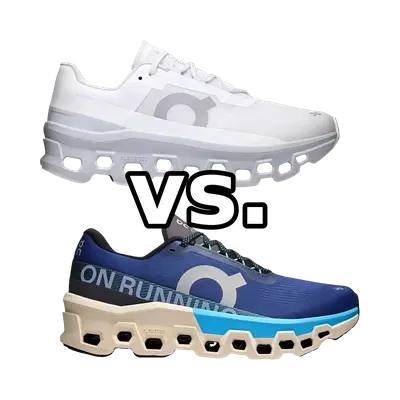
On Cloudmonster vs On Cloudmonster 2
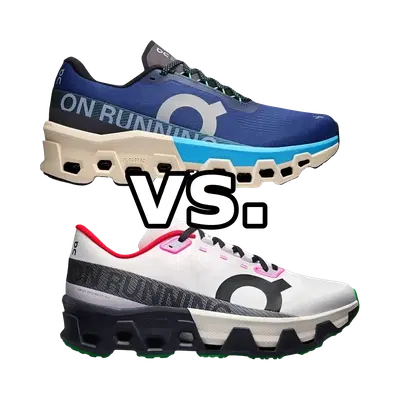
On Cloudmonster 2 vs On Cloudmonster Hyper
© 2026 longrunshoes.ai | All rights reserved.
Use of materials from this site is permitted only with proper attribution and a link to longrunshoes.ai.