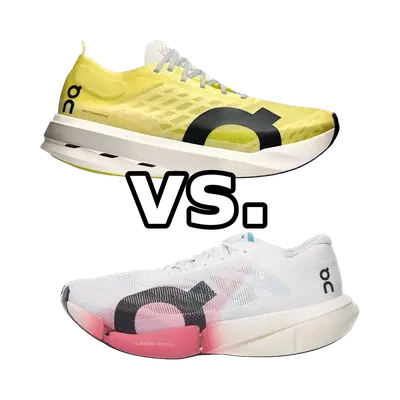
On Cloudboom Strike vs Asics Metaspeed Sky Tokyo:
Which to Choose
Verdict
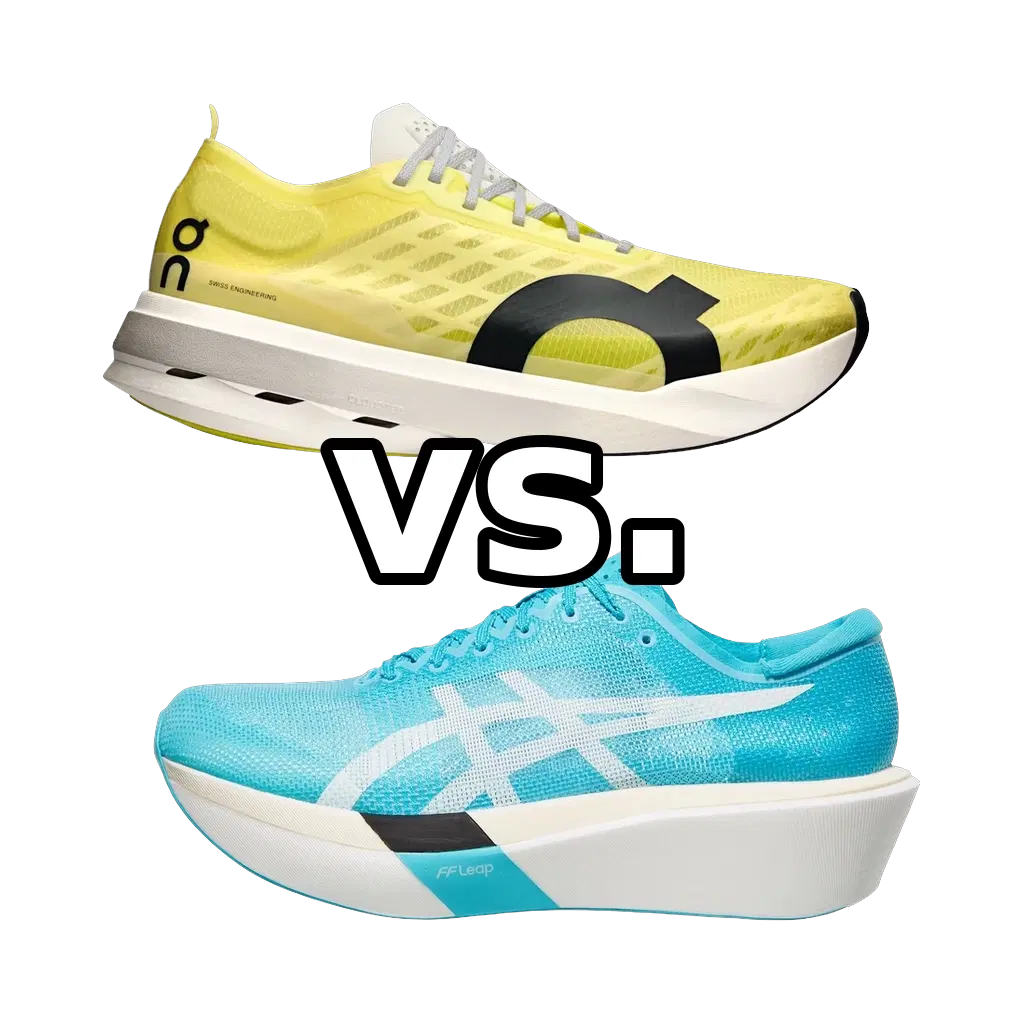
These are closely matched race-day shoes, so the choice is about fit to your racing rather than one being better. Go Metaspeed Sky Tokyo if marathon speed and the lowest possible weight are your priorities and you want a firm, nimble, plate-driven ride; go Cloudboom Strike if you want a bouncier, more cushioned, more forgiving shoe that doubles as a 10K-to-half-marathon racer as well as a marathon option. The lighter, firmer, marathon-specialist versus the bouncier, more versatile all-rounder — pick the one whose distance and ride feel match how you actually race.
Pace
6 of 6
Cushioning
5 of 6
Responsiveness
6 of 6
Stability
2 of 6
Drop
4 mm
Support
Neutral
Plate
Carbon
Distances
10KHalfMarathon
Pace
6 of 6
Cushioning
5 of 6
Responsiveness
6 of 6
Stability
2 of 6
Drop
6 mm
Support
Neutral
Plate
Carbon
Distances
HalfMarathon
At a Glance
On Cloudboom StrikeAsics Metaspeed Sky Tokyo
Who Should Choose Each Shoe
Choose
On Cloudboom Strike
Choose the Cloudboom Strike if you want a super shoe that rewards you with a bouncier, more cushioned, more forgiving ride and you race across a range from 10K up to the marathon, with the half marathon as your main event. Its lower 4mm drop and softer, energetic PEBA forefoot suit forefoot and midfoot strikers who want the foam itself doing more of the work. It's also the more versatile pick if you'd rather own one fast shoe that covers several race distances rather than a dedicated marathon specialist.
Choose
Asics Metaspeed Sky Tokyo
Choose the Metaspeed Sky Tokyo if you're a lightweight-obsessed, efficient forefoot or midfoot striker targeting the marathon and you want the lightest, most agile tool on the start line — at roughly 163g it's noticeably lighter than the Cloudboom. Its firmer, snappier A-TPU foam and narrow, nimble platform favor runners who prefer a plate-and-geometry-driven propulsive feel and value quick, confident footwork on turning courses. It's the sharper, more specialized marathon weapon for someone who spends real time at 3:00–3:15 min/km.
Head-to-Head
On paper these are twins: identical pace, cushioning, responsiveness, and stability ratings, both neutral, both carbon-plated, and both with a roughly 38–39mm heel stack and a true race zone around 3:00–3:30 min/km. The single biggest separator is weight — the Metaspeed Sky Tokyo is genuinely featherweight at about 163g (men's US 9), while the Cloudboom Strike lands closer to 210g, and that ~45g gap is something you feel over 26.2 miles and in how quickly each shoe lets you flick through turnover. The other real difference is the foam and how the ride is generated: On's Helion HF PEBA is the bouncier, more cushioned, more forgiving of the two, returning a lot of its energy through the midsole itself, whereas the Asics FF Leap (A-TPU) feels firmer and snappier and leans more on its plate-and-rocker geometry for propulsion. Geometry-wise the Cloudboom runs a 4mm drop against the Metaspeed's 6mm (Asics lists 5mm), with the Asics carrying a 39mm heel / 33mm forefoot profile; the Metaspeed's narrower platform makes it feel the more nimble and agile shoe on a twisty course, while the On's slightly fuller, softer forefoot cushions a touch more underfoot. Both are tippy at jogging pace and both wear thin racing outsoles and minimal uppers, so neither is a durability champion — save either for key sessions and race day. The clearest practical split is the target distance: the Cloudboom Strike spans 10K through the marathon with the half as its sweet spot, while the Metaspeed Sky Tokyo is tuned specifically for the full marathon.
Similar Comparisons
Asics Metaspeed Edge Paris vs Asics Metaspeed Sky Tokyo
Asics Metaspeed Sky Paris vs On Cloudboom Strike
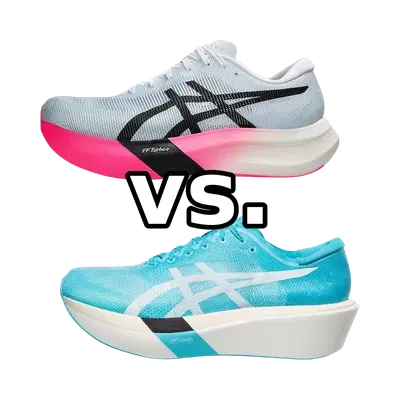
Asics Metaspeed Sky Paris vs Asics Metaspeed Sky Tokyo
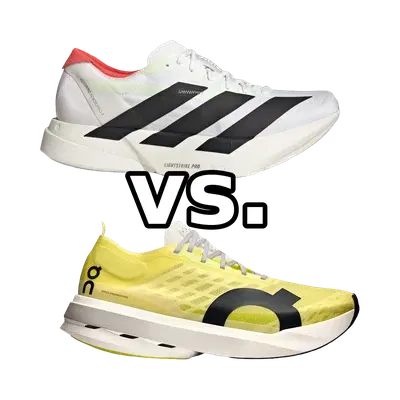
Adidas Adizero Adios Pro 4 vs On Cloudboom Strike
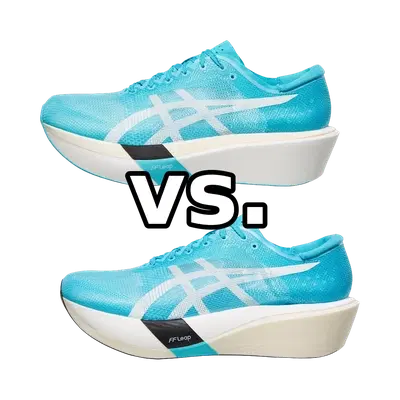
Asics Metaspeed Sky Tokyo vs Asics Metaspeed Edge Tokyo
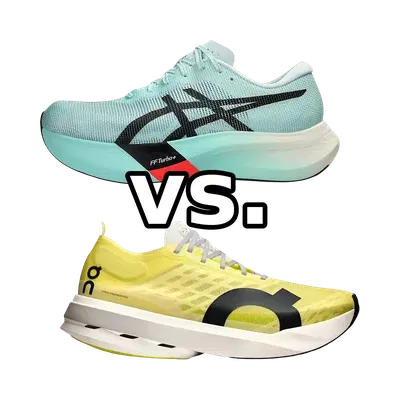
Asics Metaspeed Edge Paris vs On Cloudboom Strike
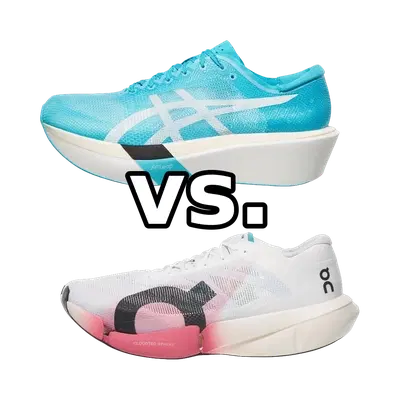
Asics Metaspeed Sky Tokyo vs On Cloudboom Strike 2
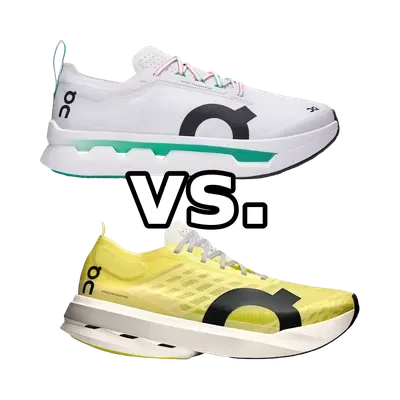
On Cloudboom Zone vs On Cloudboom Strike
© 2026 longrunshoes.ai | All rights reserved.
Use of materials from this site is permitted only with proper attribution and a link to longrunshoes.ai.