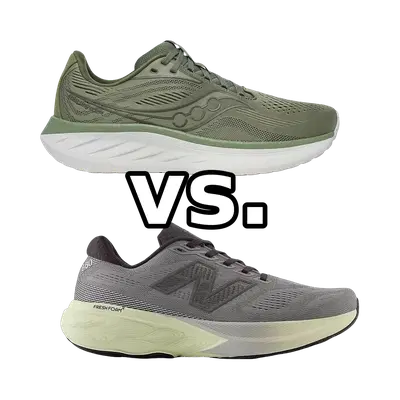
New Balance Fresh Foam X 880v15 vs New Balance Fresh Foam X 1080v15:
Which to Choose
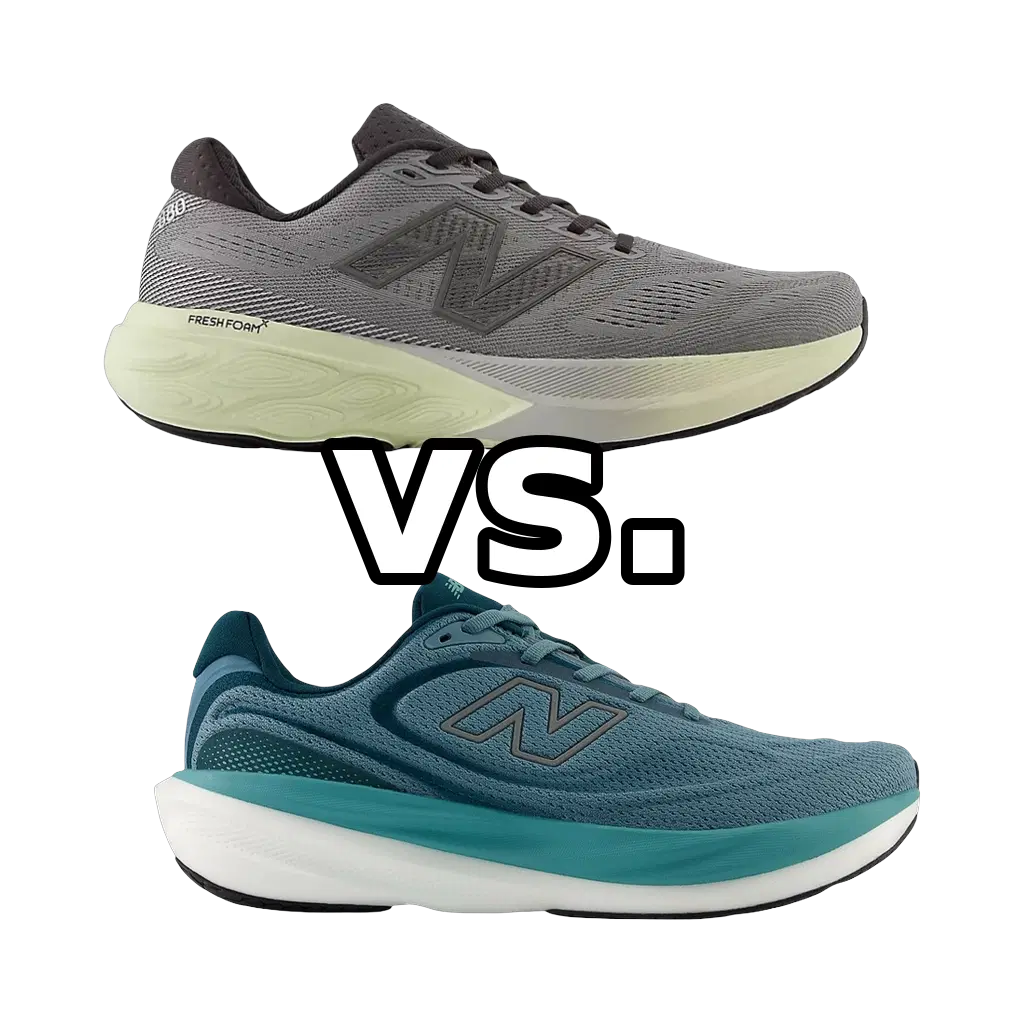
Verdict
These are genuinely close relatives, so it comes down to how you want the ride to feel underfoot, not whether one is better. Go 1080v15 for the softer, plusher, lighter long-run cruiser with a lower 6mm drop; go 880v15 for the firmer, more composed, higher-drop (8mm) everyday workhorse that handles a wider range of paces. If your running skews toward slow, long, comfort-first miles, the 1080 wins; if you want one steady trainer that stays planted when you push, the 880 is the pick.
Pace
3 of 6
Cushioning
4 of 6
Responsiveness
3 of 6
Stability
4 of 6
Drop
6 mm
Support
Neutral
Plate
None
Distances
10KHalfMarathon
Pace
3 of 6
Cushioning
5 of 6
Responsiveness
3 of 6
Stability
4 of 6
Drop
6 mm
Support
Neutral
Plate
None
Distances
10KHalfMarathon
At a Glance
New Balance Fresh Foam X 880v15New Balance Fresh Foam X 1080v15
Who Should Choose Each Shoe
Choose
New Balance Fresh Foam X 880v15
Choose the 880v15 if you want one steady, no-drama workhorse for the bulk of your weekly mileage and prefer a firmer, more composed ride that stays with you when you pick the pace up to the quicker end of easy. Its traditional 8mm drop suits runners who like a touch more heel ramp, and the planted, even-tempered platform is a great fit for beginners finding their stride or experienced runners who just want a reliable, versatile daily trainer rather than a dedicated long-run softie.
Choose
New Balance Fresh Foam X 1080v15
Choose the 1080v15 if your priority is plush, protective comfort on long and easy runs and you're happy to trade a little firmness and pace-day crispness for a softer, more cushioned ride — and, as a bonus, a lighter shoe on foot. The lower 6mm drop and sock-like knit upper reward runners who like a natural-feeling, cosseting fit, making it the better pick for high-volume cruisers and anyone building marathon mileage who values comfort over snap.
Head-to-Head
On paper these two are close siblings: both are neutral trainers with no plate, both rate the same for responsiveness and stability, both target steady daily and long-run paces, and both list 10K through marathon as their happy zone. The real split is cushioning character. The 1080v15 is the softer, plusher shoe (cushioning 5/6) — a forgiving, cradling ride tuned comfort-first for long weekend mileage, with the trade-off that the soft stack can feel slightly vague and wallowy at very slow or very fast efforts. The 880v15 (cushioning 4/6) is more even-tempered and composed: soft enough to take the sting out of pavement but firmer and more planted, so it stays controlled when you nudge the pace up toward the top of its range. Neither returns energy like a superfoam racer; both give a mild, honest rebound rather than a springy pop. Drop is the other concrete difference — the 880 runs a more traditional 8mm heel-to-toe offset, while the 1080 sits lower at 6mm for a slightly more natural, ground-connected feel. Weight is where expectations get flipped: the plush 1080 is actually the lighter shoe at roughly 261g (9.2 oz), while the more basic 880 comes in heavier at about 281g (9.9 oz) for a men's 9. Fit and upper differ too: the 880 uses a secure engineered mesh, whereas the 1080 wraps the foot in a plusher, more sock-like engineered knit. Stability is effectively a wash — both are wide, planted neutral platforms with no medial posting.
Similar Comparisons
New Balance Fresh Foam X 1080v14 vs New Balance Fresh Foam X 1080v15
New Balance Fresh Foam X 880v15 vs Adidas Ultraboost 5X
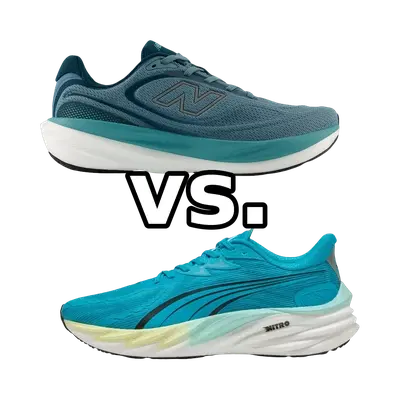
New Balance Fresh Foam X 1080v15 vs Puma Velocity Nitro 4
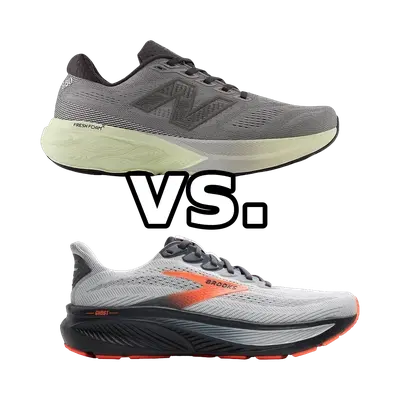
New Balance Fresh Foam X 880v15 vs Brooks Ghost 17
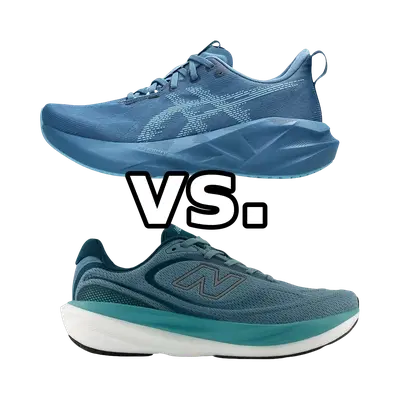
Asics Novablast 5 vs New Balance Fresh Foam X 1080v15
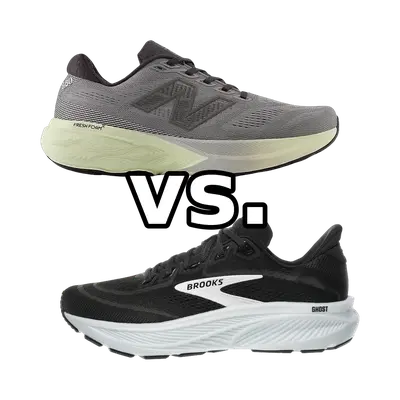
New Balance Fresh Foam X 880v15 vs Brooks Ghost 18
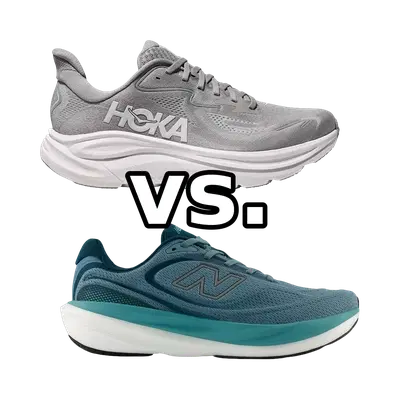
Hoka Clifton 10 vs New Balance Fresh Foam X 1080v15
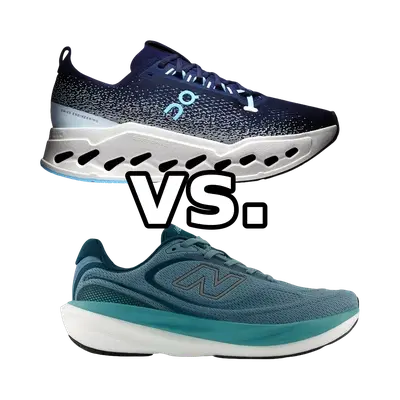
On Cloudsurfer Max vs New Balance Fresh Foam X 1080v15
© 2026 longrunshoes.ai | All rights reserved.
Use of materials from this site is permitted only with proper attribution and a link to longrunshoes.ai.