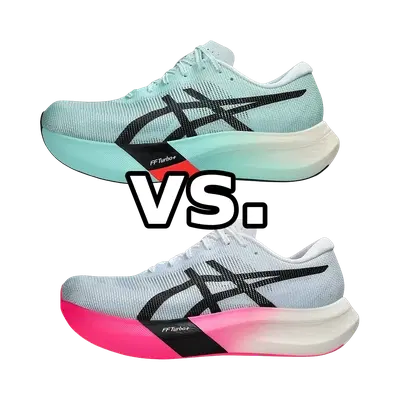
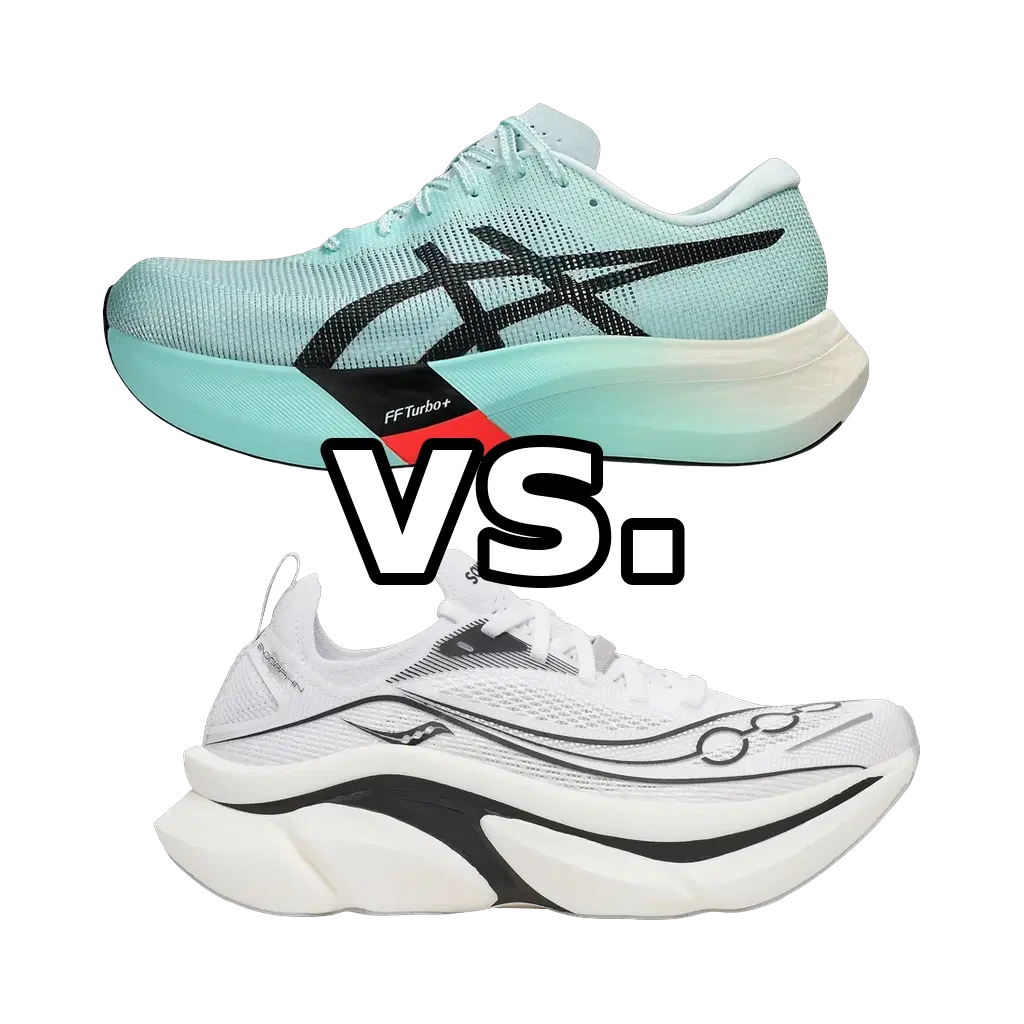
Asics Metaspeed Edge Paris vs Saucony Endorphin Elite 3:
Which to Choose
Verdict
These are genuinely close rivals with near-identical stack, drop, and use case, so this comes down to stride and feel, not spec-sheet superiority. Take the Metaspeed Edge Paris if you're a steady, even-paced cadence runner who wants the lightest possible shoe and a firm, connected, propulsive ride; take the Endorphin Elite 3 if you strike forefoot-to-midfoot and prefer a softer, bouncier platform with a little extra torsional control. For most runners the deciding test is simple: run in both at goal pace and keep whichever one disappears under your natural stride.
Pace
6 of 6
Cushioning
5 of 6
Responsiveness
6 of 6
Stability
2 of 6
Drop
5 mm
Support
Neutral
Plate
Carbon
Distances
HalfMarathon
Pace
6 of 6
Cushioning
5 of 6
Responsiveness
6 of 6
Stability
2 of 6
Drop
6 mm
Support
Neutral
Plate
Carbon
Distances
HalfMarathon
At a Glance
Asics Metaspeed Edge ParisSaucony Endorphin Elite 3
Who Should Choose Each Shoe
Choose
Asics Metaspeed Edge Paris
Choose the Metaspeed Edge Paris if you're a strength runner who holds one steady, powerful gear and grinds out an even marathon rather than surging — the firm, connected PEBA and uniform plate roll reward exactly that rhythm. It's also the pick if you want the absolute lowest weight on your foot and prefer a race shoe that feels locked to the road and quick to rebound rather than soft and bouncy.
Choose
Saucony Endorphin Elite 3
Choose the Endorphin Elite 3 if you run off your forefoot or midfoot and like a softer, livelier, more cushioned-feeling ride that pops off the plate as you roll forward. The slotted, forked plate gives a bit more torsional composure through the midfoot, so it also suits runners who want elite propulsion without the most rigidly locked-in feel — and who don't mind carrying a touch more weight to get it.
Head-to-Head
Start with how alike they are. Both stand on roughly the same amount of foam — about 39.5mm heel / 34.5mm forefoot for the Edge Paris and about 40mm / 34mm for the Elite 3 — so neither is the "taller" or more cushioned shoe in any meaningful way, and their 5mm versus 6mm drops are close enough to feel identical in the hand. Both run a full-length carbon plate, both carry a thin breathable engineered-mesh upper, both are low-stability racers that feel tippy at a jog and only settle once you commit to pace, and both name the marathon as their sweet spot. Where they split is weight and character. The Edge Paris is the lighter shoe at around 185g in a men's US 9 versus roughly 204g for the Elite 3 — a real, perceptible ~20g gap that favors the Asics on turnover and late-race fatigue. Underfoot, though, they feel distinct: the Edge's FF Turbo Plus PEBA is tuned firm and connected, snapping back quickly and rolling you forward through an aggressive, propulsive tip, while the Elite 3's dual-layer IncrediRUN is softer and bouncier, giving a more spirited "pop" off the plate rather than a firm, ground-locked feel. The plates differ in intent too: the Asics plate drives a stiff, uniform forward roll, whereas Saucony's slotted, forked plate deliberately blends longitudinal stiffness with a little torsional give, adding a touch more control through the midfoot. Finally, the stride they reward is not the same — the Edge Paris is the classic "strength"/cadence racer that loves a steady, powerful, even rhythm, while the Elite 3 asks for a smooth forefoot-to-midfoot strike to light up its best transitions.
Similar Comparisons
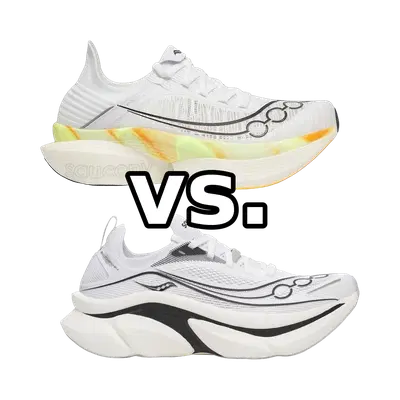
Saucony Endorphin Elite 2 vs Saucony Endorphin Elite 3
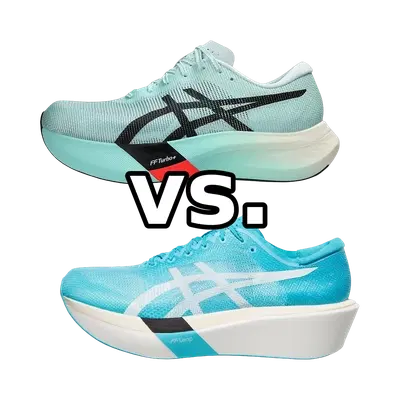
Asics Metaspeed Edge Paris vs Asics Metaspeed Sky Tokyo
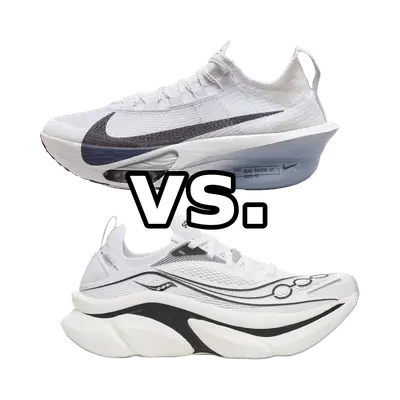
Nike Alphafly 3 vs Saucony Endorphin Elite 3
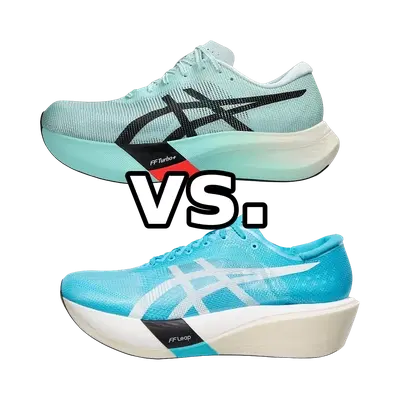
Asics Metaspeed Edge Paris vs Asics Metaspeed Edge Tokyo
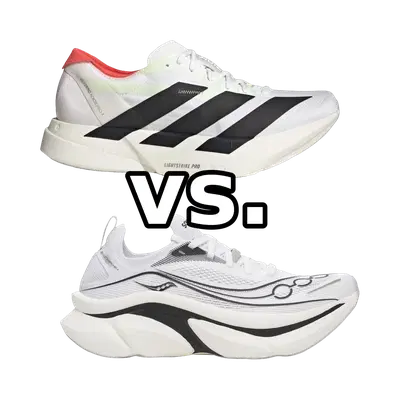
Adidas Adizero Adios Pro 4 vs Saucony Endorphin Elite 3
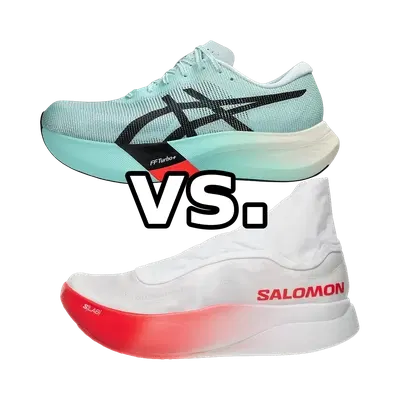
Asics Metaspeed Edge Paris vs Salomon S/Lab Phantasm 3
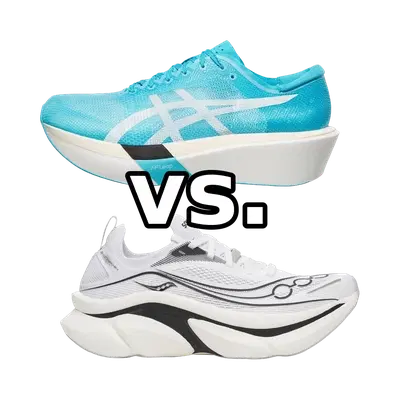
Asics Metaspeed Sky Tokyo vs Saucony Endorphin Elite 3
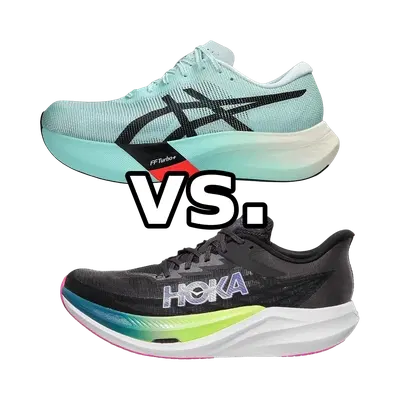
Asics Metaspeed Edge Paris vs Hoka Rocket X 3
© 2026 longrunshoes.ai | All rights reserved.
Use of materials from this site is permitted only with proper attribution and a link to longrunshoes.ai.